US intelligence assesses Iran’s new leadership approach to nuclear policy
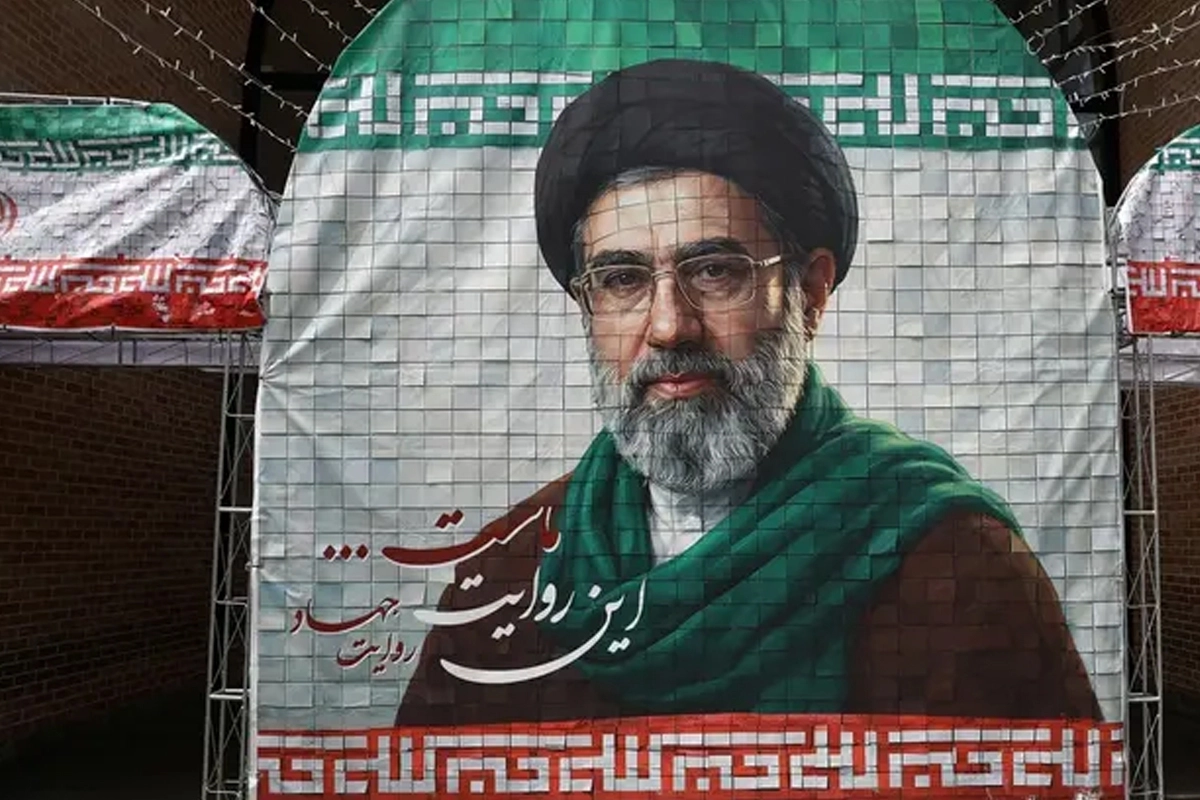
US intelligence agencies are assessing that Iran’s new Supreme Leader, Ayatollah Mojtaba Khamenei, may take a different approach from his late predecessor, Ali Khamenei, regarding the country’s nuclear ambitions, according to reports citing US officials familiar with the assessments.
The assessments suggest that Iran’s new leadership may be more open to discussions on developing advanced nuclear capabilities. However, Mojtaba Khamenei has not publicly stated any intention to pursue nuclear weapons.
Ali Khamenei, who led Iran for more than three decades, had previously expressed opposition to the development of nuclear weapons, a position that US officials had considered to be genuine despite longstanding concerns in Washington over Iran’s nuclear program.
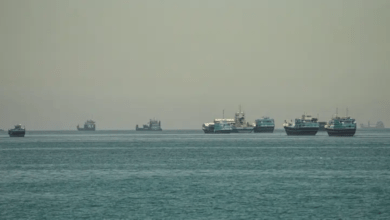
The intelligence evaluations come as Iran’s new government seeks to consolidate its position following the loss of several senior officials during the recent conflict. US officials said the country’s leadership is also working to strengthen its regional influence, including its strategic position around the Strait of Hormuz.
Officials said any future decision by Iran to move toward developing nuclear weapons would represent a major shift in the aftermath of the conflict and the pressure placed on the country’s leadership.
However, US officials noted that much of the available intelligence on Mojtaba Khamenei’s views was collected before the outbreak of the war. They added that the new Supreme Leader was reportedly injured during the early stages of the fighting and has since reduced his public appearances due to security concerns.
According to US assessments, Mojtaba Khamenei remains the country’s central authority but does not currently exercise the same level of influence and control that his father maintained during his long tenure.
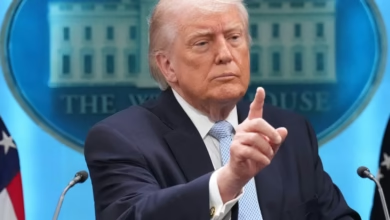
The assessments come as US President Donald Trump considers possible future measures involving Iran. Officials said any indication of a change in Iran’s nuclear policy could influence discussions over Washington’s response.
US officials have said Iran has not fully restarted its nuclear program but has taken steps to maintain parts of its nuclear infrastructure following attacks on key facilities and periods of reduced hostilities.
They said Iran has reportedly relocated some centrifuges to a fortified underground facility in central Iran, known by the United States as “Axe Mountain,” as part of efforts to preserve its nuclear capabilities.