Sweet obsession, Indian mango craze sweeps the United States
From Alphonso to Kesar, why Americans are going to extremes for Indian Golden fruit
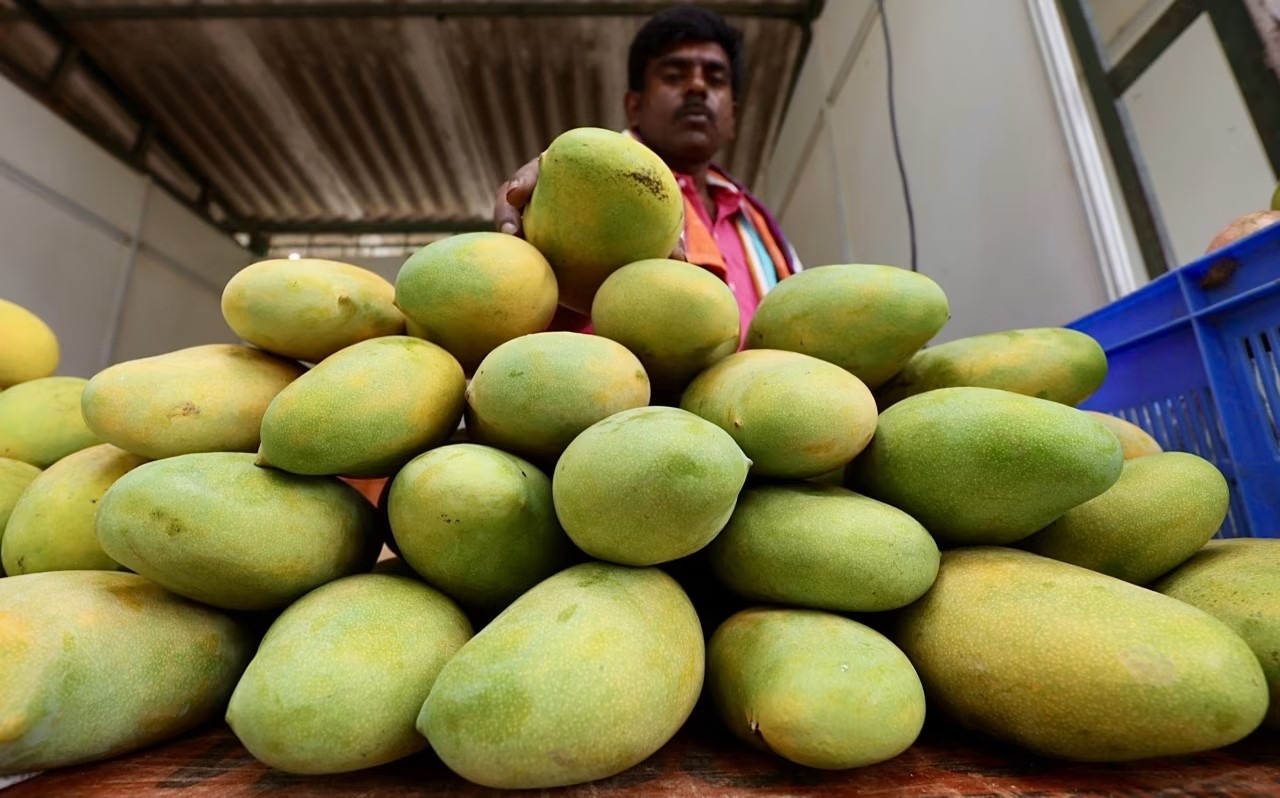
In kitchens, specialty stores, and even social media feeds across the United States, a seasonal obsession is taking hold, one that revolves around the rich aroma and unmatched sweetness of Indian mangoes.
Often described as the “king of fruits,” Indian mango varieties have cultivated a near-cult following among Americans willing to go to remarkable lengths just to savor their brief annual availability, news agencies reports.
At the heart of this fascination lies the famed Alphonso mango, known for its creamy texture, vibrant saffron hue, and intensely sweet flavor.
Grown primarily in the western regions of India, this prized fruit has become synonymous with luxury and indulgence abroad.
For many Americans, tasting an authentic Alphonso is not just about enjoying fruit, it is an experience, a sensory journey that connects them to a distant culture.
Strict US import regulations and agricultural safeguards have historically limited the availability of Indian mangoes, making the process complex and costly.
Despite these barriers, demand has remained strong, with the fruit gaining a reputation as a rare and highly anticipated seasonal delicacy among consumers.
Each mango season brings a surge in interest, with specialty stores and online retailers seeing pre-orders and long queues.
Consumers often go to great lengths to obtain Indian mangoes, from carrying them in personal luggage to paying premium prices well above local alternatives.
This demand reflects a broader shift in American tastes toward authentic global flavors, supported by the Indian diaspora and growing culinary experimentation in restaurants and homes.
For exporters, the US market presents both challenges and opportunities. While competition from countries like Mexico and Peru remains strong, Indian mangoes continue to stand out for their distinctive taste.