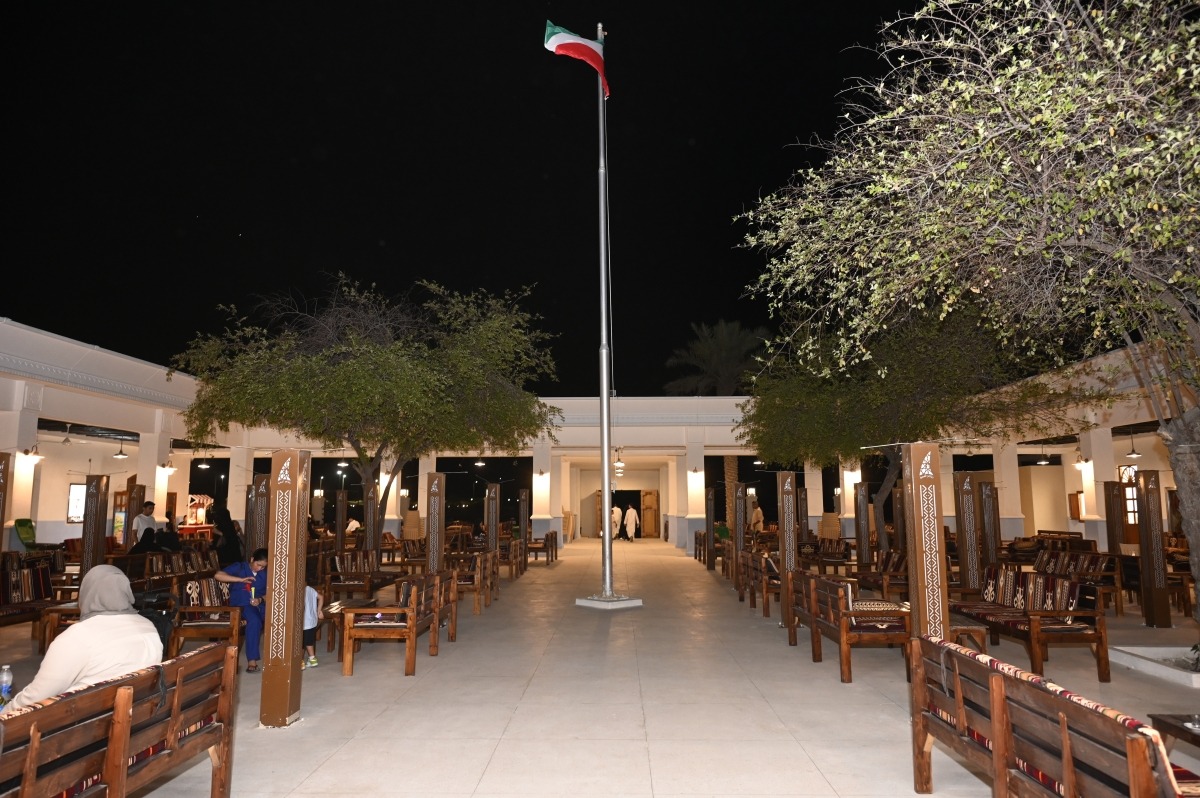
- The cafés receive around 250,000 visitors annually, with families and elderly patrons forming the largest share. Operating hours vary between summer and winter, with extended timings on weekends to accommodate higher demand.
Popular cafes in Kuwait have remained a strong social and cultural phenomenon despite rapid modernization across the country, successfully preserving their traditional identity while adapting to modern technologies and evolving public expectations.
Officials say these cafes have not only maintained their popularity but have also strengthened their role as key heritage and social gathering spaces by integrating modern services while retaining their authentic Kuwaiti character.

Abdullah Al-Mutairi, Secretary of the Board of Directors of Popular Cafes at the Ministry of Social Affairs, said the cafés have become major cultural and tourism destinations, supported by government efforts to promote domestic tourism and preserve national identity.
He noted that development plans have focused on upgrading infrastructure, improving services, and diversifying activities to attract families, youth, and elderly visitors while maintaining the traditional atmosphere of the cafés.
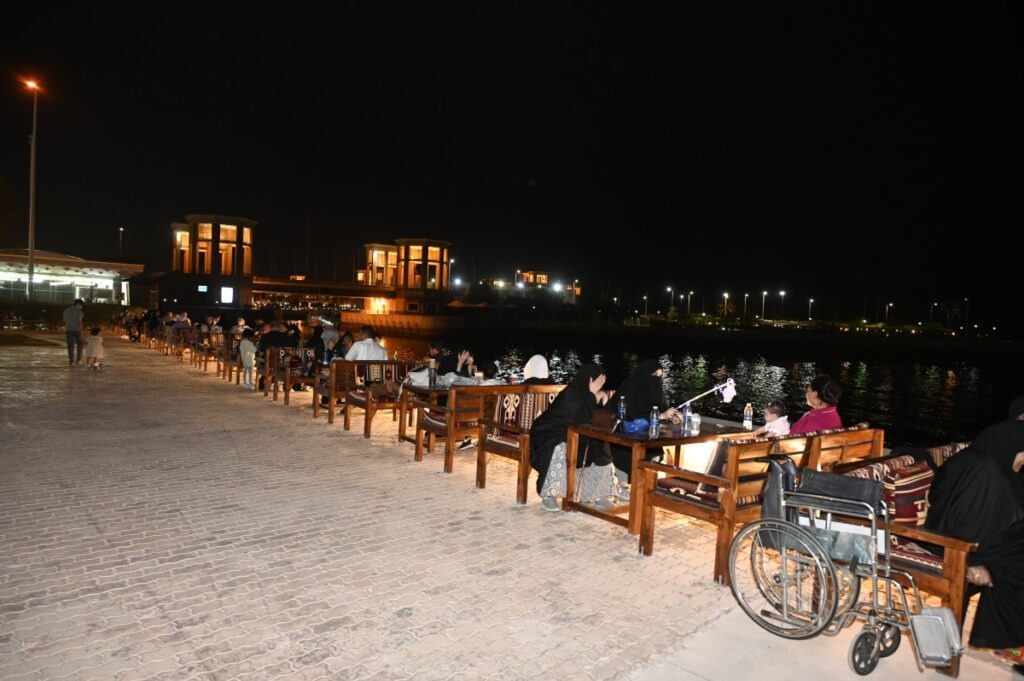
The development strategy includes three main locations—Sulaibikhat, Farwaniya, and Shammari cafés—with improvements covering facilities, recreational offerings, and customer services. Challenges such as extreme summer heat have been addressed through cooling systems like misting sprays.
According to Al-Mutairi, service quality is closely monitored through dedicated teams overseeing cleanliness, food safety, pricing, and customer satisfaction, alongside coordination with relevant authorities to ensure high standards.
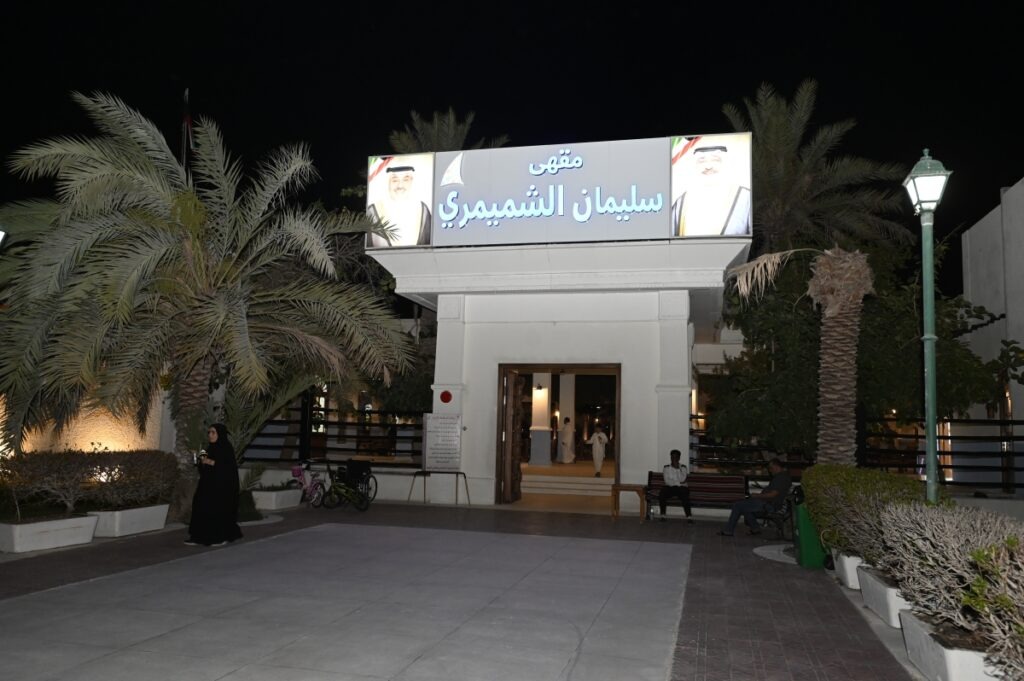
The cafés now receive around 250,000 visitors annually, with families and elderly patrons forming the largest share. Operating hours vary between summer and winter, with extended timings on weekends to accommodate higher demand.
Future expansion plans include opening new cafés in Al-Ahmadi Governorate, followed by additional branches in Al-Mutlaa and Sabah Al-Ahmad areas, as authorities aim to broaden access while preserving the cafés’ cultural and heritage significance.