















- The recent crisis has reinforced the importance of developing resilient transport and energy networks, with Gulf nations increasingly viewing alternative export routes as a strategic necessity in an era of heightened geopolitical uncertainty.
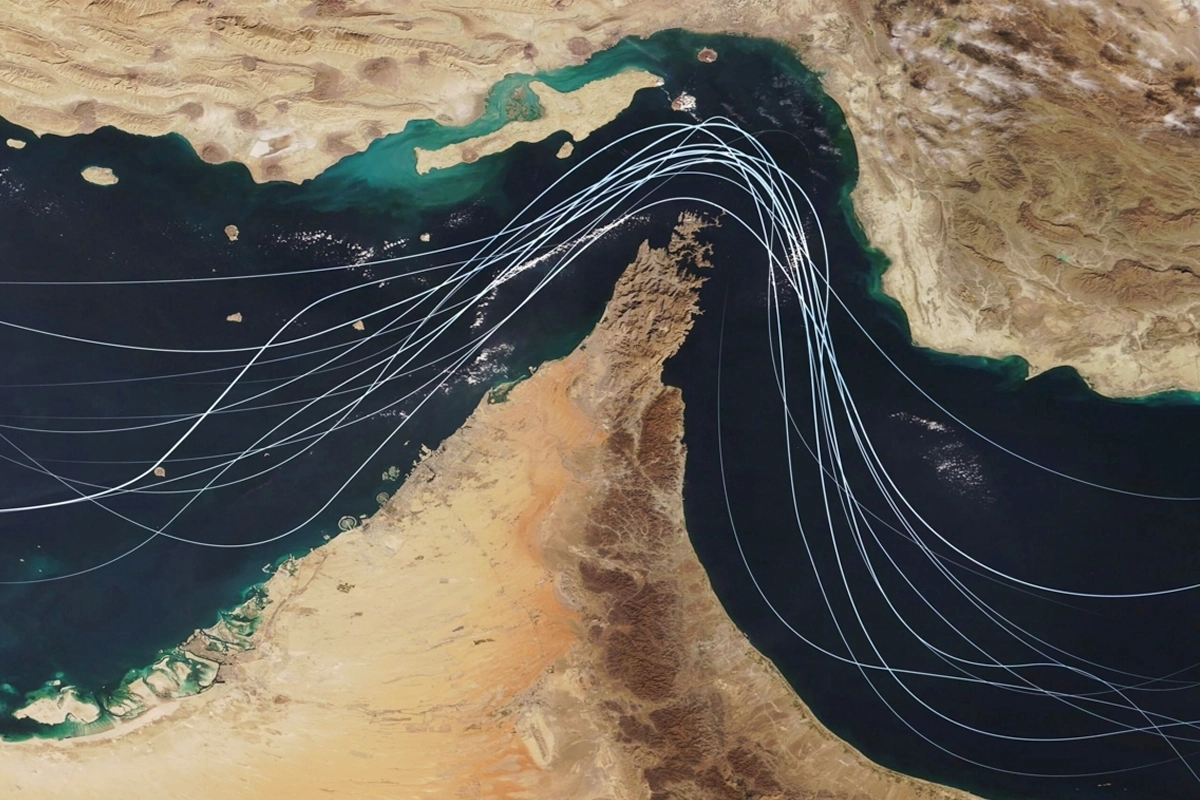
The temporary closure of the Strait of Hormuz during the recent US-Iran conflict has prompted Gulf countries to reassess their reliance on one of the world’s most critical maritime oil routes, accelerating plans to develop alternative export and transport infrastructure.
The crisis disrupted oil exports, global shipping, and supply chains while highlighting the economic risks associated with depending on the narrow waterway, through which nearly 20% of the world’s oil supply passes.

The disruption also drove up oil prices, shipping costs, and insurance premiums, prompting governments across the region to review their long-term energy and trade strategies, reports Al-Jarida daily.
In response, the GCC states are increasing investments in oil pipelines, ports, railway networks, and overland transport corridors to reduce reliance on the Strait of Hormuz.
The United Arab Emirates recently announced plans to achieve “zero dependence” on the strategic waterway, signaling that diversification has become a long-term national priority rather than a precautionary measure.
The crisis also exposed differences in the region’s preparedness. Saudi Arabia and the UAE were able to maintain a significant share of their oil exports thanks to existing alternative infrastructure.
Saudi Arabia relied on its East-West Pipeline, which carries crude oil from the Eastern Province to the Red Sea port of Yanbu with a capacity of up to 7 million barrels per day, while the UAE continued exporting through the Abu Dhabi Crude Oil Pipeline, which links its oil fields to the Port of Fujairah outside the Strait of Hormuz.
According to regional reports, Saudi Aramco operated the East-West Pipeline at full capacity during the crisis, helping ensure the continuity of oil supplies and reducing the impact of the disruption on global energy markets.
By contrast, Kuwait, Qatar, Bahrain, and Iraq were forced to significantly reduce exports due to their heavy dependence on the Strait of Hormuz.
Analysts say Kuwait and Qatar currently lack independent export routes that bypass the strait, making future diversification dependent on regional cooperation or access to the infrastructure of neighboring countries.
The recent crisis has reinforced the importance of developing resilient transport and energy networks, with Gulf nations increasingly viewing alternative export routes as a strategic necessity in an era of heightened geopolitical uncertainty.