After minister’s exit, India’s NEET protest enters legal battle
Protest movement shifts from streets to courtrooms
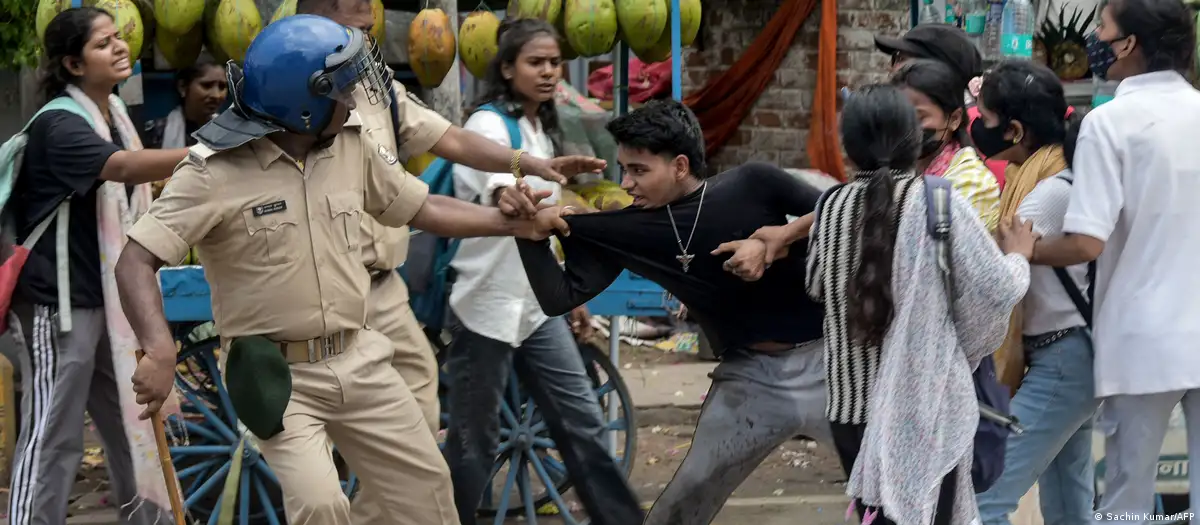
A student-led movement in India, informally known as the Cockroach Janata Party (CJP), has entered a new phase after securing one of its key demands with the resignation of Education Minister Dharmendra Pradhan following weeks of protests over alleged irregularities in the National Eligibility-cum-Entrance Test (NEET).
Following the minister’s resignation, the government announced a series of measures aimed at easing tensions. These included withdrawing police cases against peaceful protesters, providing compensation to families affected by the examination controversy, and continuing discussions with student representatives on a five-point reform agenda.
With street demonstrations largely suspended, attention has now shifted to legal proceedings and the implementation of the government’s commitments.
Senior lawyer and politician Kapil Sibal said questions remain over whether all assurances made during negotiations are being fully implemented.
He noted that while the government pledged to withdraw cases against peaceful protesters, some official orders contain provisions allowing investigations to continue against individuals with alleged criminal backgrounds.
Legal experts say the withdrawal of criminal cases requires formal judicial procedures. Senior advocate Rebecca Mammen John explained that government announcements alone are insufficient, as courts must approve the closure or withdrawal of criminal proceedings in accordance with the law.
The issue has become a point of discussion between student groups and authorities. Protest leaders have expressed concern that the additional provisions could lead to uncertainty over which cases will ultimately be withdrawn, while government officials maintain that only those accused of criminal offences or violence remain under investigation and that peaceful demonstrators have no reason for concern.
India’s Supreme Court, led by Chief Justice Surya Kant, has emphasized that both law enforcement authorities and protesters must remain accountable under the law. During a recent hearing, the court said any excesses or violations committed by either side should be addressed through the legal process.
Lawyers representing detained protesters say a number of legal cases remain pending in different states. Some student organizations have also called for greater clarity regarding the status of withdrawn cases, noting that many families continue to seek confirmation that legal proceedings against students have been discontinued.
Meanwhile, some protesters have alleged continued police questioning, follow-up investigations and monitoring based on photographs, CCTV footage and social media activity.
Delhi Police have rejected allegations of intimidation, stating that officers are conducting investigations only in registered cases involving suspected criminal offences and that no action is being taken against individuals solely for participating in peaceful demonstrations.
Student leaders say they will continue to pursue examination reforms through legal and institutional channels while monitoring the implementation of the commitments announced by the government.
The movement, which initially centered on the NEET examination controversy, has evolved into a broader campaign advocating transparency, fairness and accountability in India’s competitive examination system.