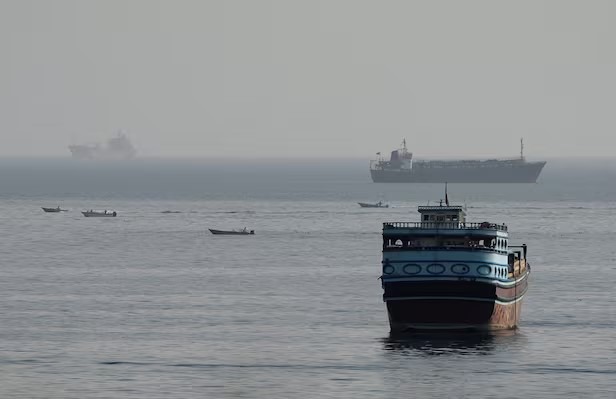
Diplomatic efforts to ease tensions in the Strait of Hormuz has gathered pace as Iran and Oman reported positive progress in talks aimed at establishing a new framework for maritime navigation through the strategically vital waterway.
Qatar confirmed that mediators are circulating draft proposals for a broader US-Iran agreement, while US Secretary of State Marco Rubio expressed optimism saying negotiations to ensure the safe reopening of Hormuz were advancing.
He voiced confidence that an understanding could be reached soon, describing the maritime discussions as an important step toward reducing regional tensions.
Iranian Foreign Ministry spokesperson Esmail Baghaei said discussions between the two coastal nations had produced “positive results” at both the technical and political levels.
He said the talks are focused on creating safe and efficient shipping routes while respecting the sovereignty and national security interests of both countries.
U.S. Treasury Secretary Scott Bessent echoed that optimism, saying an agreement could pave the way for the reopening of normal shipping operations through the strait.
While declining to comment on whether transit fees would be imposed, he stressed that freedom of navigation would be protected under any future arrangement.
According to reports, negotiators are considering a navigation system under which vessels entering the Arabian Gulf would transit through Iranian-controlled waters, while outbound ships would use Omani waters.
Officials are also discussing a mechanism for collecting service fees to manage shipping traffic, with revenues potentially shared equally between the two countries.
A successful agreement would provide much-needed reassurance to the global shipping and energy industries, which have faced heightened security concerns in the Gulf in recent months.
For importers and exporters alike, improved maritime stability in the Strait of Hormuz would help safeguard supply chains and reduce uncertainty in international trade.