Kuwait strengthens water security systems as global water crisis deepens
Water security is now linked to food, energy, health and economic stability -- Al-Mukhaizeem
- Kuwait water security: More than 99 percent benefit from safely managed drinking water as 2.1 billion people around the world lack safe drinking water
- Kuwait advances water security through desalination, technology and efficiency; water security takes center stage as Kuwait prepares for UN water conference
- $6.7 trillion needed for global water infrastructure by 2030
Kuwait is strengthening its water systems and investing in technology and operational efficiency as water security emerges as a growing global challenge with direct implications for food security, energy, economic development, health, social stability and climate change.
Minister of Electricity, Water and Renewable Energy Dr. Subaih Al-Mukhaizeem said water security is no longer limited to providing an essential resource for life, but has become an integral part of wider national and global security concerns. He stressed that addressing water challenges requires regional and international cooperation, supported by practical technological and financing solutions.
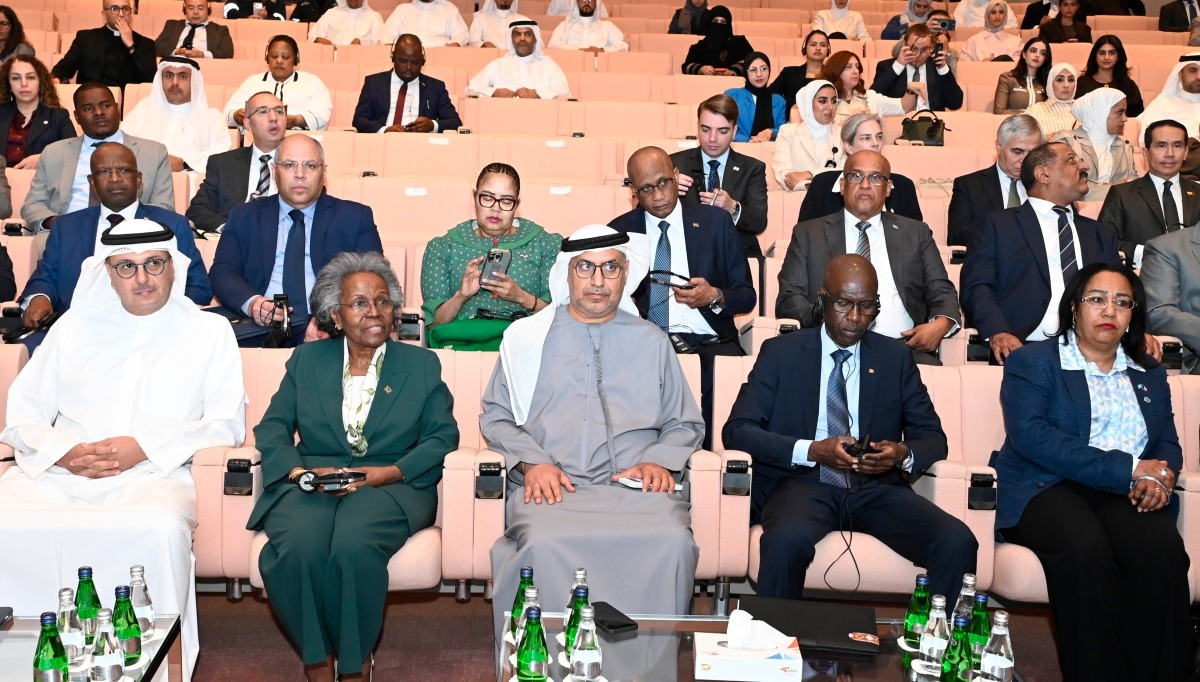
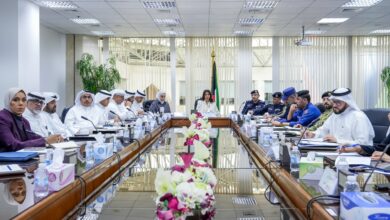
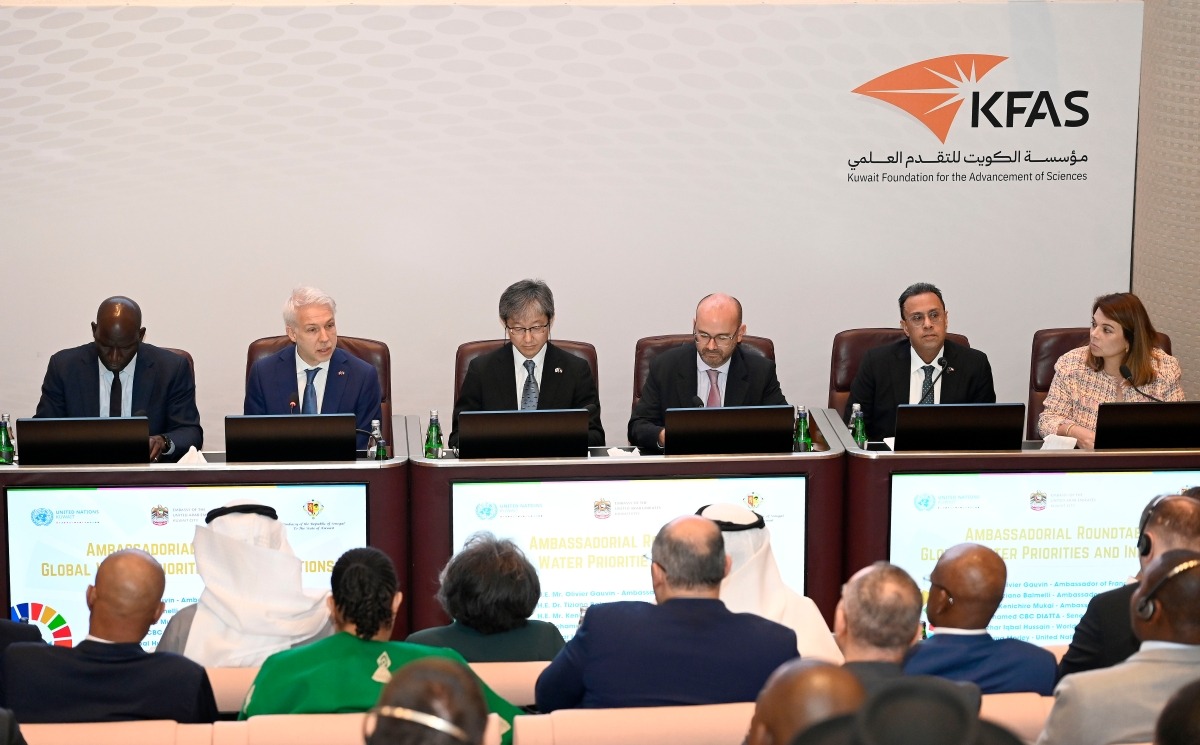
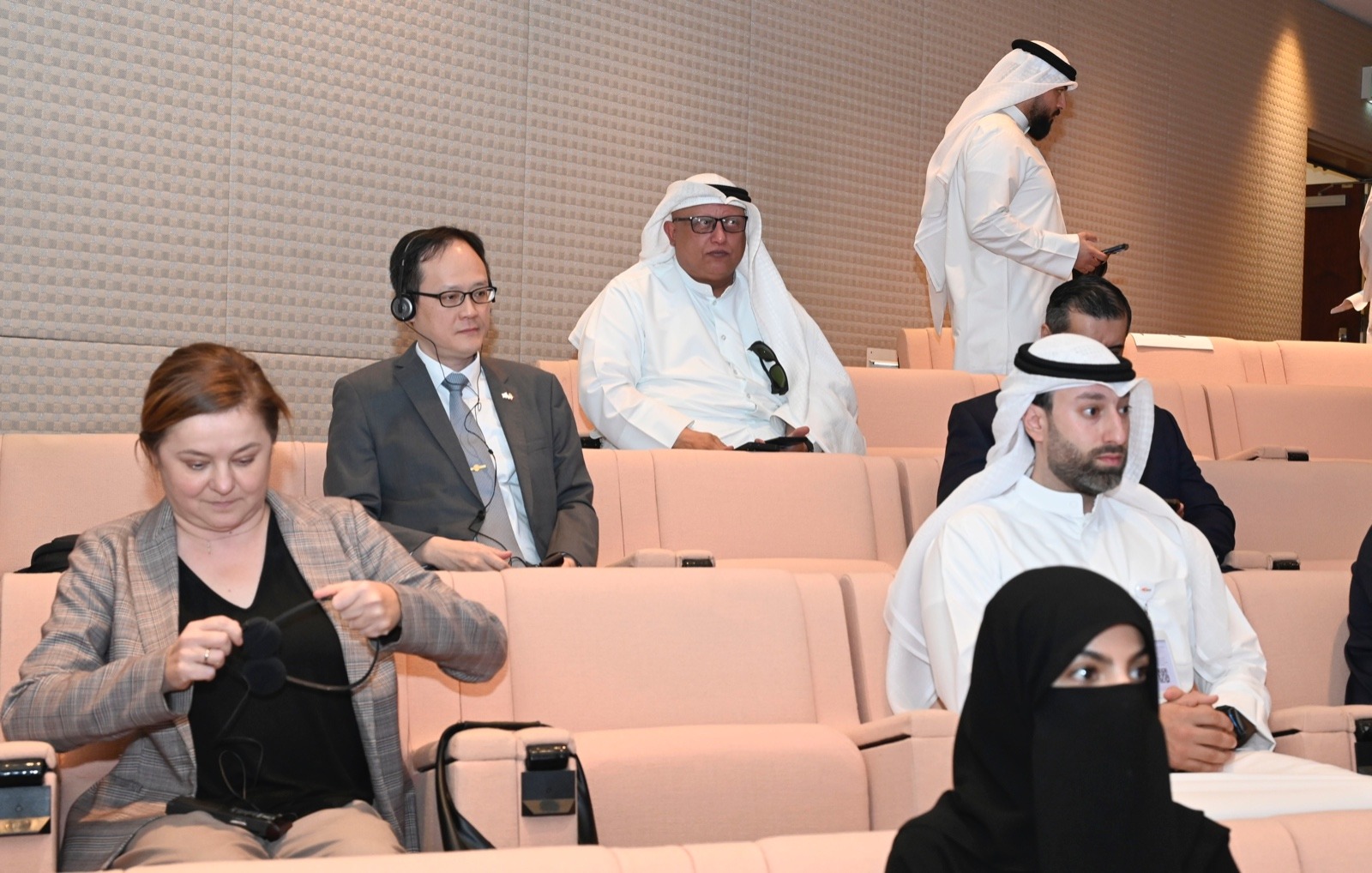
Al-Mukhaizeem was speaking at the high-level dialogue “A Water-Secure Future for All,” hosted by the Kuwait Foundation for the Advancement of Sciences (KFAS) as part of preparations for the 2026 United Nations Water Conference, scheduled to take place in Abu Dhabi in December. The dialogue brought together government representatives, diplomats, international organizations, financial and research institutions, and water-sector experts to discuss the growing pressures on global water resources and possible solutions.
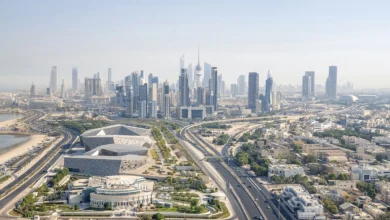
Al-Mukhaizeem said Kuwait faces particular water-security challenges because of its geographical and climatic conditions and limited natural resources. The country has therefore given strategic priority to developing water production, transmission, storage and distribution systems, while adopting modern technologies and improving operational efficiency to ensure sustainable supplies for current and future needs.
He stressed that the quality and safety of drinking water remain among the state’s top priorities, noting that Kuwait has established an integrated system of monitoring and continuous testing to ensure that produced and distributed water meets approved standards. More than 99 percent of Kuwait’s population benefits from safely managed drinking-water services, according to data from the World Health Organization-UNICEF Joint Monitoring Programme.
UN: Global Water Targets Remain Off Track
UN Secretary-General’s Representative and Resident Coordinator in Kuwait Ghada Al-Taher said the water challenge requires coordinated action by governments, diplomats, financial institutions, the private sector and academia. She stressed that no single entity can solve the global water crisis alone, noting that none of the water-related targets under Sustainable Development Goal 6 is currently on track.
According to Al-Taher, achieving universal access to safely managed drinking water by 2030 would require progress to accelerate sixfold, while sanitation progress would need to accelerate fivefold and basic hygiene threefold. Around 2.1 billion people worldwide still lack access to safe drinking water, while approximately 4 billion people experience severe water scarcity for at least one month each year, she said.
Al-Taher also highlighted Kuwait’s experience as one of the world’s most water-scarce countries, with virtually no renewable freshwater resources, and its reliance on desalination. She also praised Kuwait’s contribution over more than six decades to financing water infrastructure projects in developing countries.
$6.7 Trillion Needed for Global Water Infrastructure
UAE Ambassador to Kuwait H.E. Dr. Matar Al-Neyadi said the dialogue provides an opportunity to exchange expertise and develop practical recommendations ahead of the 2026 UN Water Conference, which the UAE will host jointly with Senegal in Abu Dhabi from December 8 to 10.
He said the conference will address six key areas covering water for people, prosperity and the planet, international cooperation, water’s role in multilateral processes and investment in the water sector. The UAE envoy said approximately 3.4 billion people lack safely managed sanitation services, while around 4 billion face high levels of water stress. Achieving Sustainable Development Goal 6, he said, requires accelerating progress by between six and eight times.
Global investment needs for water-related infrastructure are estimated at $6.7 trillion by 2030, Al-Neyadi said, calling for stronger innovative financing, more efficient water use and reuse, and greater development of sustainable technologies. He highlighted several UAE initiatives, including the Abu Dhabi Global Water Platform, which aims to mobilize $2 billion in financing, and the Mohamed bin Zayed Water Initiative.
Ambassador Al-Neyadi said the objective is to translate international commitments into sustainable investments, projects and partnerships that expand access to water, support economic growth and contribute to the prosperity of communities.