Al-Ujairi Center announces spectacular June 2026 astronomical events over Kuwait
Venus–Jupiter conjunction, summer solstice and strawberry moon to highlight June sky events in Kuwait
The Al-Ujairi Scientific Center has announced a series of notable astronomical events expected to light up Kuwait’s skies during June 2026, including planetary conjunctions, the summer solstice, and the appearance of the full “Strawberry Moon.”
The month begins with a major celestial highlight on June 9, when Venus and Jupiter will appear in close conjunction. The two planets will be separated by just 1 degree and 38 arcminutes, with the event visible from Kuwait City at around 7:02 pm as night falls.
On June 13, the sky will feature a conjunction between the Moon and Mars, as the 27-day-old Moon passes 5 degrees and 38 arcminutes south of the planet. The phenomenon will be visible shortly before dawn at approximately 2:43 am.
June 15 will mark the occurrence of the new moon, when the Sun and Moon align on opposite sides of the Earth, rendering the Moon invisible from Earth.
Two notable conjunctions will occur on June 17. The Moon will pass close to Jupiter at a distance of 2 degrees and 32 arcminutes, followed by an exceptionally close approach to Venus at just 16.2 arcminutes. In some regions of the world, this alignment may result in a lunar occultation of Venus, where the Moon briefly obscures the planet. The events will be visible from Kuwait around 7:05 pm after sunset, offering a striking view for skywatchers.
On June 21, the summer solstice will take place, marking the astronomical beginning of summer in the northern hemisphere. It is the longest day of the year, with daylight lasting approximately 14 hours and two minutes in Kuwait.
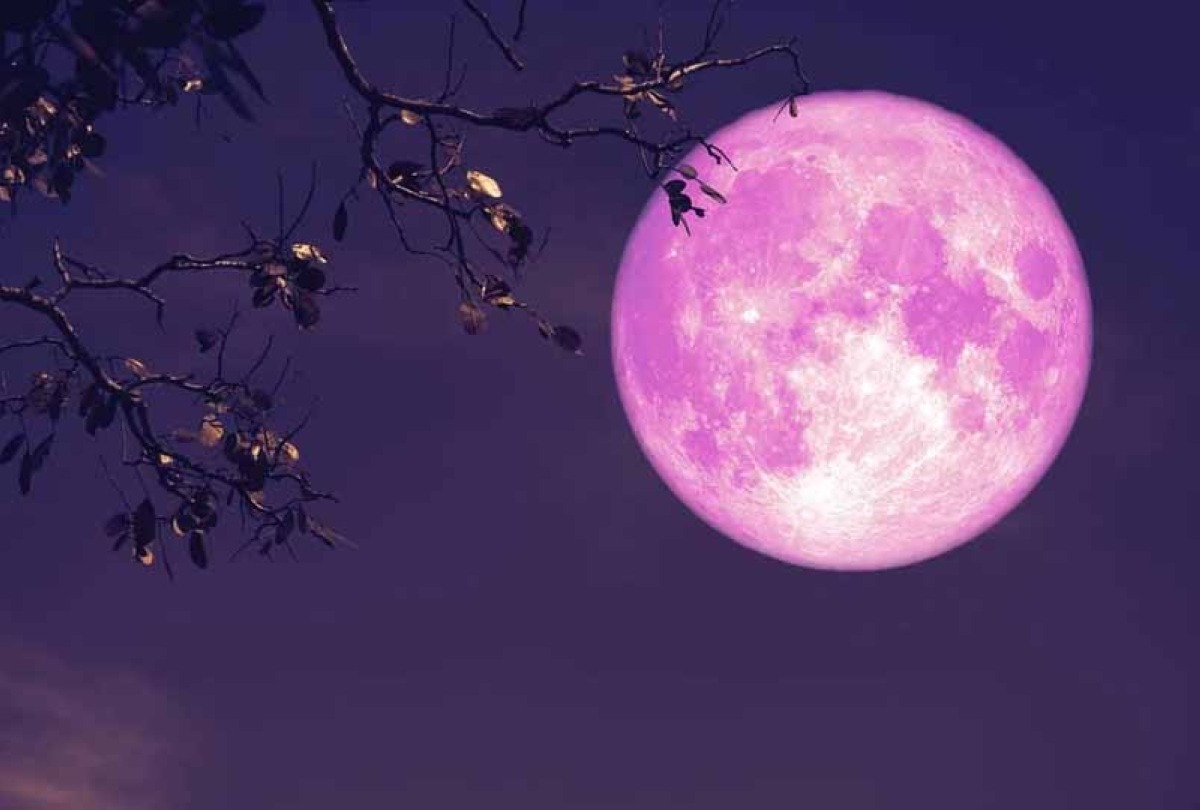
The month will conclude on June 29 with the full moon, known globally as the “Strawberry Moon,” a name originating from Native American traditions linked to the strawberry harvesting season.
The Al-Ujairi Scientific Center said these events provide exceptional opportunities for astronomy enthusiasts to observe rare celestial alignments, many of which will be visible to the naked eye under clear skies.