11-year-old Canadian boy dies from rabies after being awoken by a bat on his nose
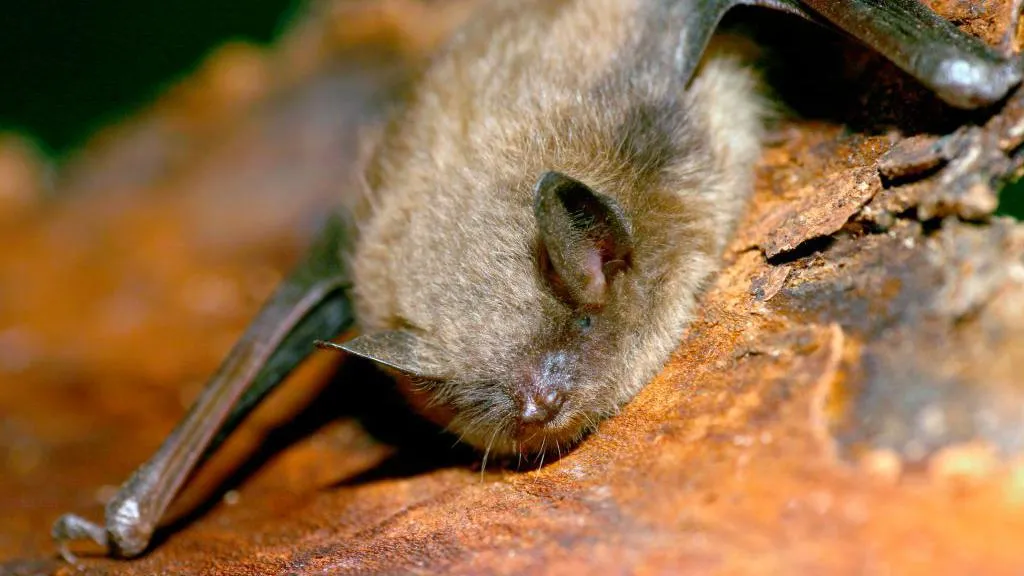
- Health experts stressed that any direct contact with a bat should be treated as a potential rabies exposure, even when no bite or scratch is visible. Immediate post-exposure prophylaxis (PEP) can prevent the disease if administered promptly.
An 11-year-old Canadian boy died of rabies after being exposed to a bat while staying with his family at a cottage in Ontario in 2024, highlighting the critical importance of seeking immediate medical care after any direct contact with bats.
The case, detailed in a report published Monday in the Canadian Medical Association Journal, revealed that the child was awakened one night by a bat resting on his nose and mouth. After brushing the bat away, his father caught it in a container and released it outside.
Because the boy had no visible bite marks or scratches and the bat did not appear to behave unusually, his family did not seek medical attention or post-exposure rabies treatment.
Nineteen days later, the boy developed numbness and swelling on one side of his face. He was initially treated for what doctors believed was Bell’s palsy and later for a viral infection affecting the mouth and gums. However, his condition rapidly deteriorated, progressing to fever, difficulty swallowing, confusion, hallucinations and facial weakness.
Doctors at the University of Manitoba eventually suspected rabies, and laboratory tests later confirmed infection with a bat rabies virus variant. Despite intensive medical care, the boy died 17 days after being admitted to hospital.
The report noted that the child had no significant medical history, recent travel, tick bites or other known risk factors.
Health experts stressed that any direct contact with a bat should be treated as a potential rabies exposure, even when no bite or scratch is visible. Immediate post-exposure prophylaxis (PEP) can prevent the disease if administered promptly.
Rabies remains extremely rare in Canada, with 28 human deaths recorded since 1924, largely due to widespread animal vaccination programs and the prompt administration of preventive treatment after exposure.
Medical experts warn that once symptoms of rabies appear, the disease is almost always fatal, making early medical evaluation essential following any contact with bats or other potentially rabid animals.