Nearly one-third of heart failure patients in Kuwait are under the age of 45, and this highlights the need for stronger prevention, early detection and public awareness programs, according to findings presented at the Third Heart Failure Conference.
Dr. Bassam Abu Al-Banat, Chairman of the conference, said local studies indicate that around 30 percent of heart failure patients in Kuwait are younger than 45, reflecting a concerning trend of cardiovascular disease affecting younger age groups.
Speaking at the conclusion of the conference, organized by the Sabah Al-Ahmad Heart Center in cooperation with the Kuwait Heart Association, Abu Al-Banat said heart failure remains one of the most significant health challenges facing the country and the wider region.
He noted that approximately 60 percent of heart failure patients in Kuwait also suffer from diabetes, underscoring the close relationship between chronic diseases and cardiovascular conditions.
He stressed the importance of adopting healthier lifestyles and controlling major risk factors, including diabetes, high blood pressure and obesity.
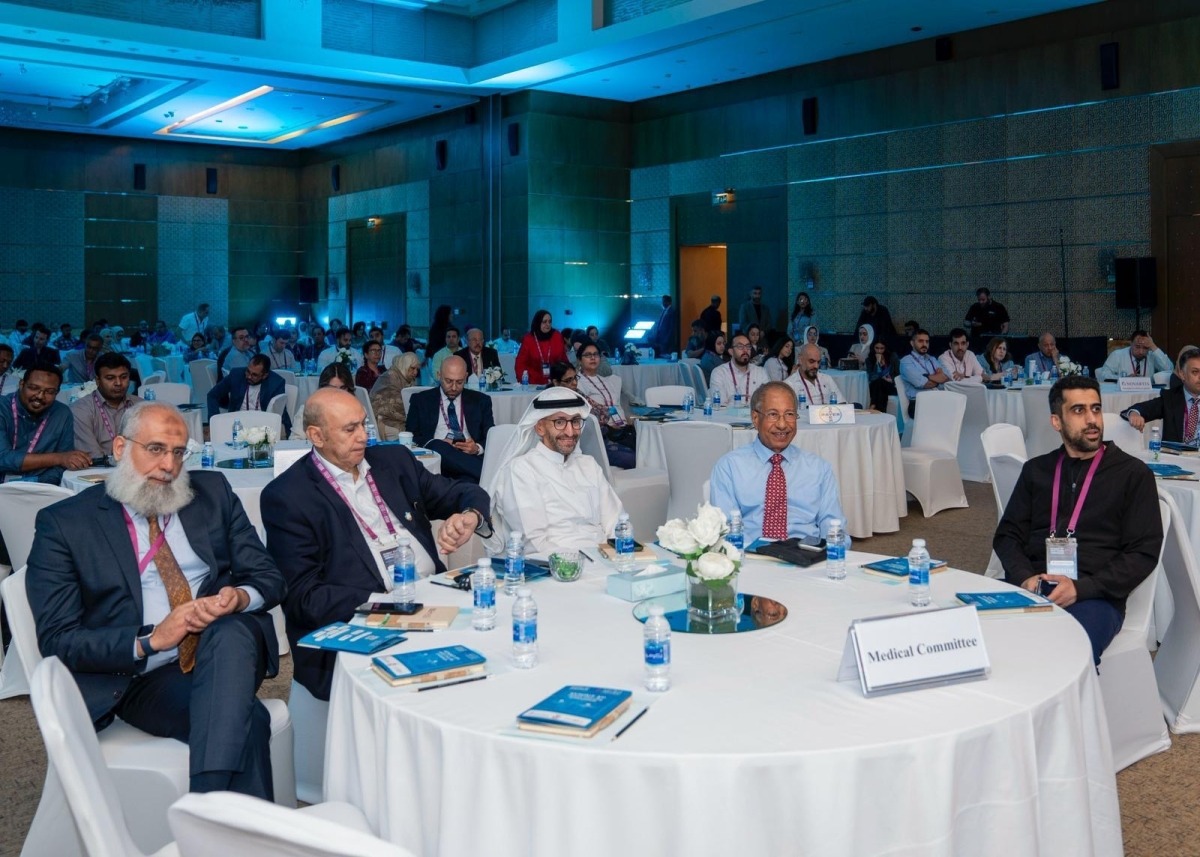
The conference brought together around 200 cardiologists, consultants and healthcare specialists from Kuwait and neighboring countries to discuss the latest advances in heart failure diagnosis and treatment, Al-Rai daily reports.
Sessions covered emerging drug therapies, circulatory support devices, metabolic heart diseases, obesity-related cardiac complications and updated international treatment guidelines.
Abu Al-Banat said the event also highlighted Kuwait’s growing collaboration among healthcare institutions in managing advanced heart disease. He cited the heart transplant program at Al-Adan Hospital as an example of successful coordination among hospitals, enabling timely referrals and treatment for patients with advanced heart failure.
Meanwhile, Dr. Khaled Al-Mulla, Director of the Sabah Al-Ahmad Heart Center, said cardiovascular diseases remain the leading cause of death in Kuwait, accounting for more than 40 percent of all fatalities.
Dr Al-Mulla emphasized the importance of continued investment in prevention, early diagnosis, advanced treatment technologies and medical training, adding that scientific conferences play a key role in improving healthcare outcomes and promoting public awareness of heart disease risk factors.