Kuwait moves to accelerate Kuwaitization of judiciary and Public Prosecution
. . . modernize and strengthen its justice system, with new reforms aimed at reducing judicial service periods, restructuring senior positions, accelerating promotions, and delivering faster and more stable justice.
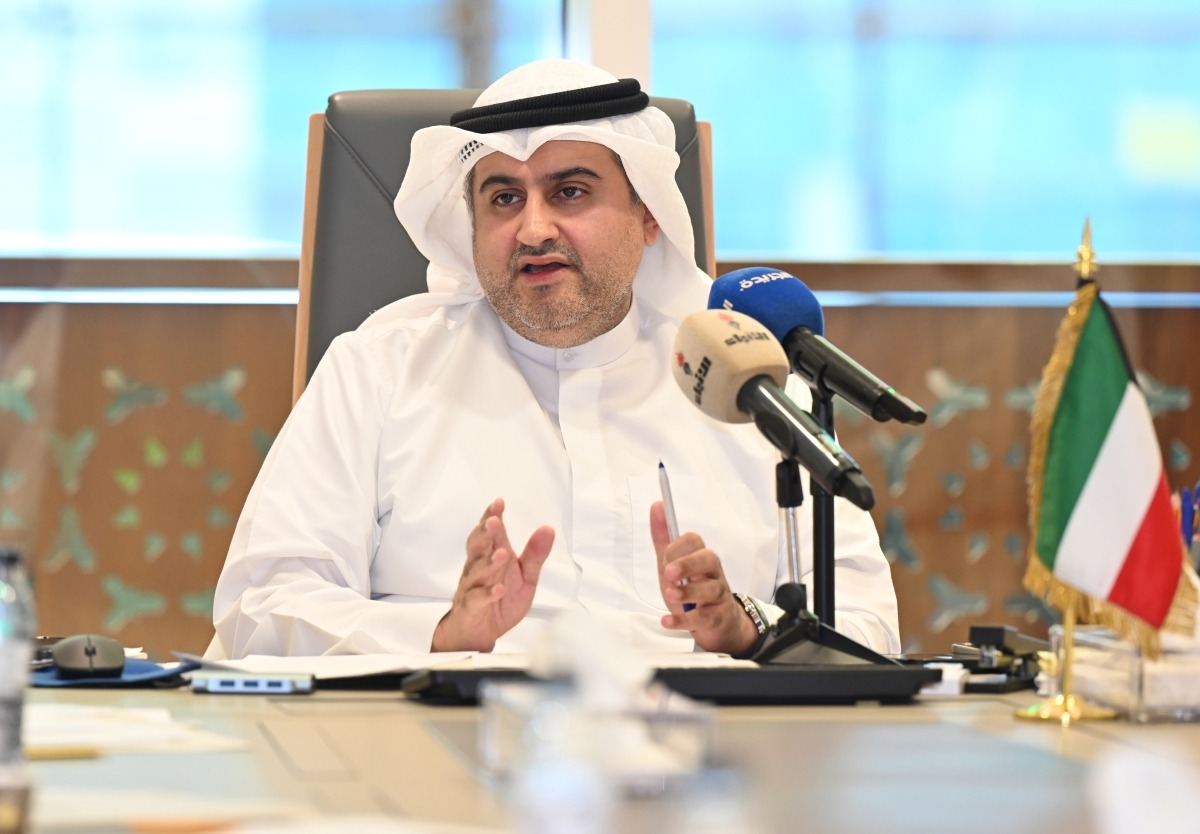
Minister of Justice, Counselor Nasser Al-Sumait, said Decree No. 136 of 2026 marks one of the first executive measures accompanying the implementation of the new Judiciary Organization Law. He said the decree signals a shift from legislative reform to putting the changes into practice.
Al-Sumait stressed that the success of judicial reform should not be judged by the number of legal provisions amended, but by its impact on the public. Key goals include shortening litigation periods, strengthening consistency in judicial rulings, reducing conflicting judgments, improving performance, enhancing oversight and accountability, and ensuring that rights are delivered more efficiently and quickly.
He said the reforms form part of a broader process directed by His Highness the Amir Sheikh Mishal Al-Ahmad Al-Jaber Al-Sabah, with particular emphasis on developing Kuwait’s justice system, addressing institutional shortcomings, preparing national judicial talent, accelerating the Kuwaitization of the judiciary and support positions, and strengthening the stability of court decisions.
Under Decree No. 136 of 2026, the minimum period required to remain in most judicial ranks has been reduced to three years, while the minimum period for the rank of Deputy Prosecutor (C) is four years.
The change is intended to accelerate the promotion of qualified Kuwaiti judges and prosecutors to senior positions while maintaining requirements related to seniority, eligibility, competence, inspection reports and other legal promotion controls.
The new law also provides for the restructuring of the Supreme Judicial Council in line with the revised organization and tenure of senior judicial positions. Al-Sumait said the changes are intended to establish a more organized system of rotation and create opportunities for qualified judicial figures to participate in managing the justice system.
Current officeholders will remain in their positions until formal appointment decrees are issued. The reform also affects senior positions within the Public Prosecution, including the Attorney General and other senior prosecution posts.
Under the new system, the occupancy of certain leadership positions will be reorganized, while officials whose terms end will return to judicial duties according to their rank and seniority.
The explanatory memorandum emphasizes that senior administrative judicial positions are assignments based on institutional needs rather than permanent personal entitlements.
Al-Sumait said the next stage will require close coordination between the Ministry of Justice and the Supreme Judicial Council, with each institution operating within its legal authority, to translate the reforms into practical improvements in courts and the Public Prosecution.
He emphasized that although the new law has already entered into force, the real test begins with implementation: the ultimate goal is for people to experience faster, more efficient and more stable justice, rather than simply notice that a new law has been enacted.