Kuwait allocates 3.9 bln dinars for subsidies in 2026-27 fiscal year
. . . raises housing, education, social support as part of restructuring government subsidies
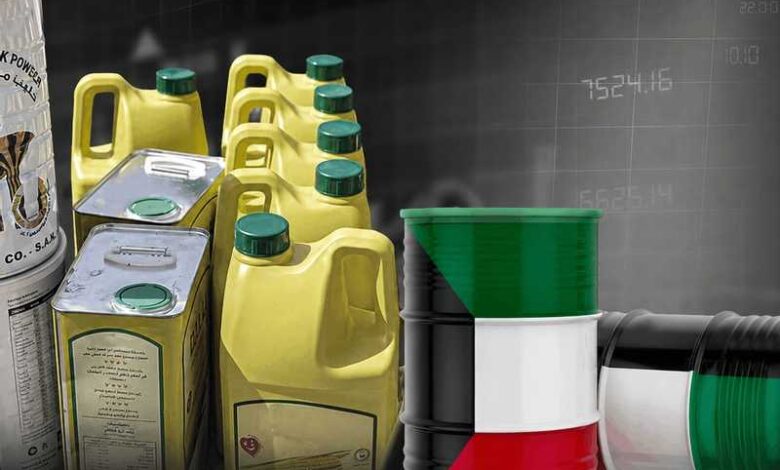
Kuwait has increased allocations for housing, education and social support in its 2026-27 budget as part of a restructuring of government subsidies, while energy and fuel support continued to account for the largest share of spending, official data from the Ministry of Finance showed.
Total subsidies in the state’s budget amount to about 3.9 billion Kuwaiti dinars ($12.7 billion), with government agencies implementing plans aimed at improving efficiency, targeting support to eligible beneficiaries and strengthening long-term fiscal sustainability.
Social support allocations rose 16% from the previous fiscal year, increasing their share of total subsidies to 14% from 12%.
Spending in this category amounts to 533 million dinars and covers social welfare payments, marriage grants, support for public benefit associations, food and building material subsidies, disability assistance and support for the Zakat House.
Education support increased 9.1% to 963.7 million dinars, accounting for 24% of total subsidy spending compared with 22% a year earlier. The allocations cover scholarships, tuition subsidies, student rewards and seasonal academic programs.
Housing support allocations, including rent allowances, mortgage interest assistance and loan exemption expenses, rose about 11.1% to 410 million dinars. The sector’s share of total subsidies increased to 10% from 9% in the previous budget, reports Al-Qabas daily.
Health support remained unchanged at around 190.4 million dinars, representing 5% of total subsidy spending. The funds are allocated to healthcare services provided to Kuwaiti citizens abroad.
Agricultural support totaled about 39 million dinars, or 1% of total subsidies, and is directed toward farmers and fishermen. Sports support also accounted for about 1% of total subsidies, with allocations of 55.5 million dinars to support sports clubs and local activities.
Despite the increases in social-sector spending, energy and fuel subsidies remained the largest component of government support, accounting for 45% of total subsidy allocations, or about 1.7 billion dinars.
The funds are earmarked for fuel used in electricity and water generation, subsidies for refined petroleum products and domestically marketed liquefied gas, fuel support for Kuwait Airways and measures aimed at reducing fuel costs.
The government has said it is pursuing short- and long-term plans to rationalize subsidies, balance revenues and expenditures and reduce the budget deficit, which remains heavily dependent on oil revenues.