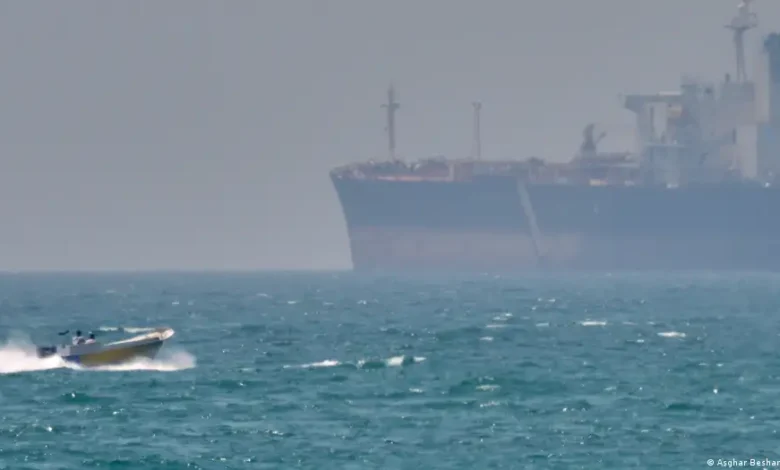
The disruption of shipping through the Strait of Hormuz has sent shockwaves through Asia, forcing Japan and South Korea to confront the fragility of their energy lifelines. Both nations depend heavily on maritime routes for essential imports, particularly oil and gas, making them highly vulnerable to geopolitical tensions far beyond their borders.
The ongoing standoff between the United States and Iran has significantly disrupted global oil and gas flows. Even if a resolution is reached, analysts warn that the impact on energy markets and supply chains could persist, exposing long-term risks for countries reliant on Middle Eastern energy exports.
Japan is particularly exposed, sourcing around 93 percent of its crude oil through the Strait of Hormuz. South Korea faces a similar challenge, with approximately 70 percent of its oil and 20 percent of its natural gas passing through the same route. This heavy dependence has underscored the urgent need for both nations to reassess their energy security strategies, dw.com reports.
Experts stress that the issue goes beyond the Middle East. A similar disruption closer to home, particularly in the South China Sea or around Taiwan, could prove even more damaging. These waters are critical arteries of global trade, with trillions of dollars’ worth of goods passing through annually.
Maritime security analysts describe Asia’s sea lanes as a “connected maritime battlespace,” stretching from Southeast Asia to Northeast Asia. Even if vessels safely navigate one hotspot, they must still pass through other potentially contested areas such as the Taiwan Strait or the Luzon Strait, compounding the risk.
Tensions in the region have been rising steadily. China’s increasing military presence and assertiveness in disputed waters, including the South China Sea and Taiwan Strait, have heightened concerns. Recent incidents, including naval movements and territorial disputes, highlight the growing risk of confrontation.
At the same time, there is mounting unease among US allies over Washington’s shifting military focus. Reports of US forces being redeployed from the Indo-Pacific to the Middle East have fueled fears that China may exploit the opportunity to expand its influence in key maritime zones.
In response, Japan and South Korea are exploring ways to strengthen their resilience. Energy cooperation initiatives, such as agreements between major importers to share supplies during shortages, are being developed. Both countries are also considering diversification of energy sources, increased stockpiling, and improvements in efficiency.
However, analysts caution that these measures have clear limitations. Alternative shipping routes, such as those passing through Indonesia or the Pacific, are longer, more expensive, and only partially reduce the risks. Ultimately, both economies remain fundamentally dependent on secure maritime trade routes.
Despite efforts to adapt, the core vulnerability persists. In any major regional conflict, particularly involving Taiwan, ships supplying Japan and South Korea would still need to navigate contested waters. As a result, ensuring the security of sea lanes remains a critical strategic priority for both nations.