Hormuz crisis sends shockwaves through global food and energy markets, UN warns
Fertilizer, fuel, and food at risk; shipping collapse in vital waterway drives up costs, threatens global food security
The United Nations Conference on Trade and Development has warned that escalating tensions in the Strait of Hormuz are posing serious risks to global energy, fertilizer, and food markets, with growing implications for trade and economic stability.
In its latest report, “From Gas to Grain: Fertilizer Disruptions Raise Food Security and Trade Risks,” the organization highlighted that disruptions to energy and fertilizer flows have driven up production and transportation costs, while also pushing bond yields higher across the region. This, in turn, is placing increasing pressure on food systems—particularly in countries heavily dependent on imports.
The report noted that borrowing costs have risen sharply since the escalation of military tensions in late February 2026, adding further strain on already fragile economies. Iraq recorded the largest increase in bond yields, rising by 0.64 percentage points to approximately 7.1%, followed by Bahrain at 7%. Meanwhile, Kuwait, the United Arab Emirates, and Qatar saw more modest increases ranging between 0.27 and 0.28 percentage points, reports Al-Rai daily.
Despite these increases, Kuwait maintained the lowest borrowing cost in the region at around 4.4%, although the post-escalation rise reflects growing market concerns. Bond yields in Saudi Arabia and Oman rose by about 0.26 percentage points each, while Jordan recorded a 0.24-point increase.
The report underscored that the conflict has significantly disrupted shipping through the Strait of Hormuz, with maritime traffic plunging by more than 95%—from an average of 103 vessels per day in late February to single digits within weeks. This sharp decline has effectively brought key trade flows to a near standstill.
Energy markets have reacted swiftly, with oil prices surging and natural gas prices nearly doubling in Asia and rising sharply in Europe. These increases are particularly critical for fertilizer production, as natural gas is a key input in manufacturing nitrogen-based fertilizers such as urea and ammonia.
As a result, fertilizer prices have climbed significantly, especially nitrogen fertilizers, with smaller increases also observed in phosphate-based products. The report emphasized that the region plays a central role not only in energy but also in fertilizer production and trade, accounting for about one-third of global seaborne fertilizer shipments and significant shares of nitrogen and phosphate exports.
These disruptions are increasingly linking energy markets with food systems, raising production costs, threatening agricultural output, and pushing food prices higher worldwide. Major agricultural economies—from Brazil to India—depend heavily on imported fertilizers, making global food supply chains particularly vulnerable.
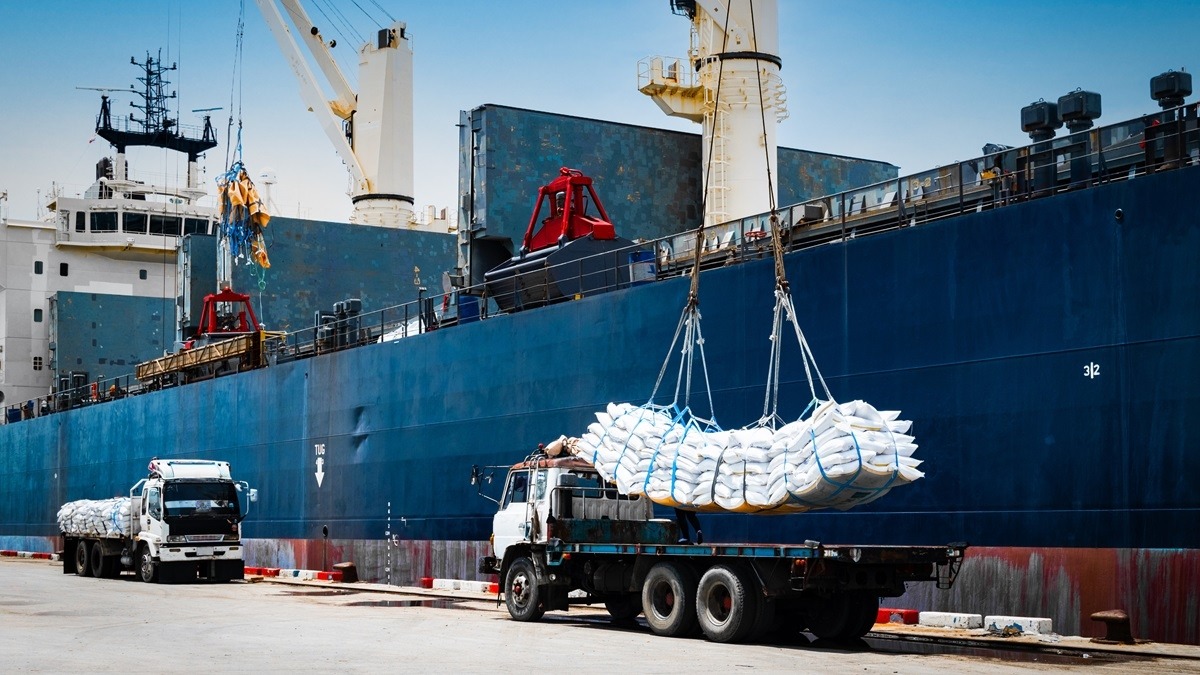
Transport and insurance costs have also surged. Oil tanker freight rates have jumped by more than 90% since late February, fuel costs have doubled, and war-risk insurance premiums have risen sharply, with some insurers withdrawing coverage altogether for vessels operating in the Gulf.
Shipowners are now forced to either halt transit through the region or absorb significantly higher costs—factors that are feeding directly into rising fertilizer prices, agricultural production expenses, and ultimately global food prices.