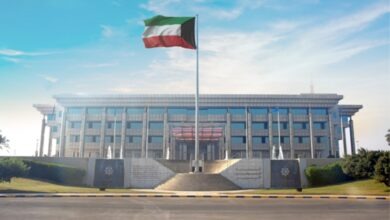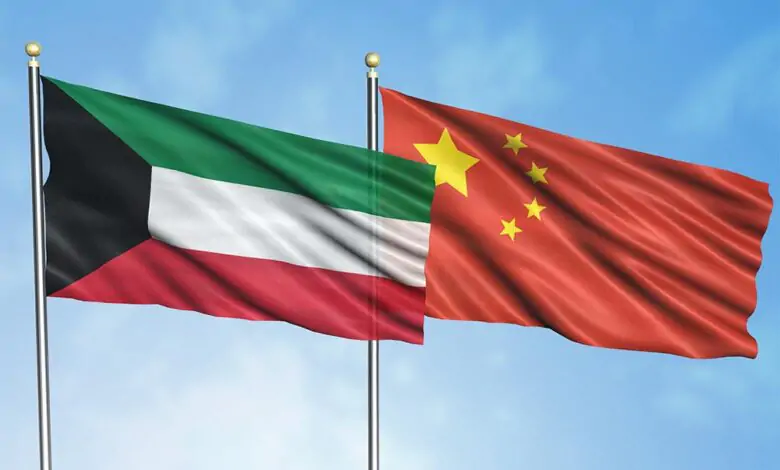
- Kuwait and China are working to accelerate the implementation of their strategic partnership, with major projects in infrastructure, renewable energy, environment, transportation, and investment serving as key pillars for future cooperation and Kuwait’s economic development vision.
Kuwait is moving forward with the implementation of its strategic partnership with the People’s Republic of China, launched through seven memoranda of understanding (MoUs) signed on September 22, 2023, during talks in Hangzhou between His Highness the Amir of Kuwait, Sheikh Mishal Al-Ahmad Al-Jaber Al-Sabah (then Crown Prince), and Chinese President Xi Jinping.
The agreements represent a new phase of comprehensive development cooperation covering key sectors, including housing cities, renewable energy, sanitation infrastructure, free zones, the economy, environment, and the strategic Mubarak Al-Kabeer Port project. The goal is to translate bilateral agreements into practical projects that support Kuwait’s development plans, economic growth, and investment objectives.
In the ren
The North Kabd Technology Plant and Wastewater Treatment Plant project is the latest project to move forward and is the second agreement from the Kuwait-China MoUs to enter into force. The project aims to improve wastewater treatment efficiency, enhance environmental sustainability, strengthen infrastructure quality, and support Kuwait’s urban development goals and sustainable development objectives.
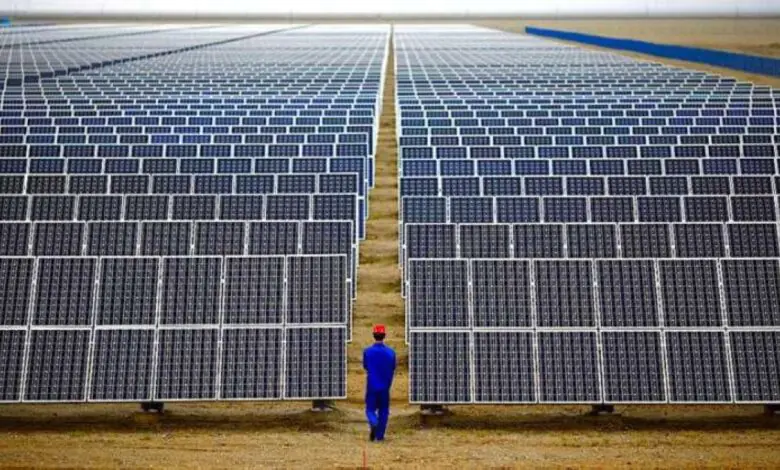
ewable energy sector, Kuwait and China signed a framework agreement for technical arrangements in March 2025 at the National Energy Administration headquarters in Beijing. The agreement followed nearly six months of negotiations and established a roadmap for accelerating renewable energy projects, particularly in the third and fourth Shagaya zones and the Abdaliyah project.
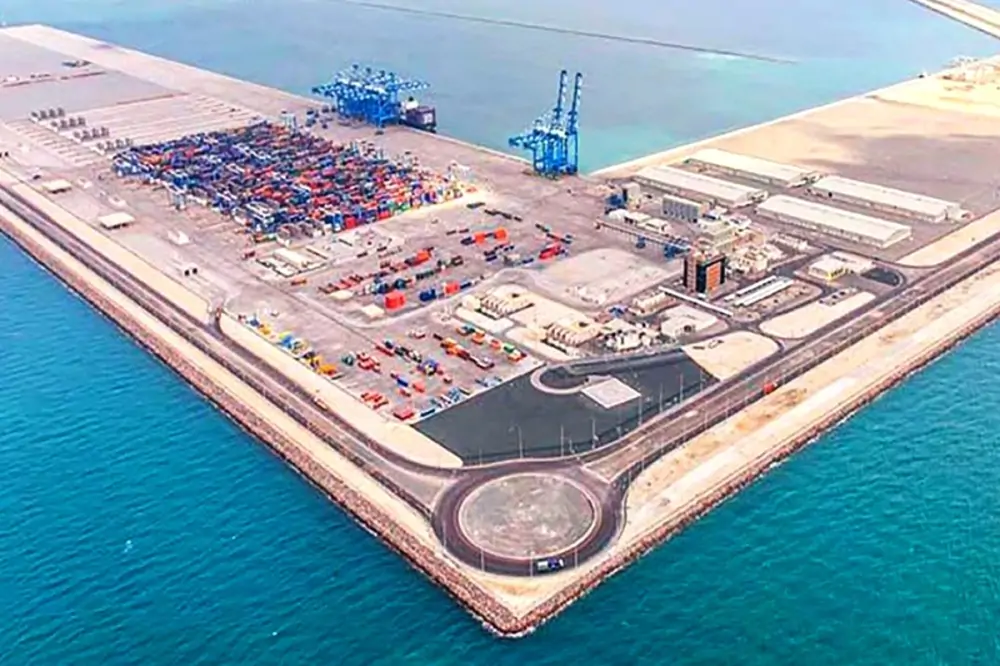
A major milestone in Kuwait-China cooperation was the signing of the engineering, procurement, and construction (EPC) contract for the completion of the Mubarak Al-Kabeer Port project in December 2025. The project represents the first major practical outcome of the agreements between the two countries and is expected to become a key economic, logistics, and maritime hub. It will enhance Kuwait’s port infrastructure, increase operational efficiency, and connect the country to regional and international trade networks.
The Mubarak Al-Kabeer Port project advanced through cooperation with the China State Construction Engineering Corporation Limited (CSCEC). In January 2025, the Kuwaiti Cabinet approved the Chinese government’s nomination of CSCEC to directly implement, manage, and operate the project across all phases. This followed the approval of a draft decree-law on the port-related MoU and protocol in December 2024, which entered into force after publication in the official gazette Kuwait Alyawm in January 2025.
The port agreement establishes areas of cooperation between Kuwait and China, identifies responsible authorities, and provides for a joint working group, technical exchanges, reciprocal visits, and recommendations to support project implementation. In February 2025, Minister of Public Works Dr. Noura Al-Mashaan signed a contract for study, design, and pre-implementation services for the port project, with work beginning on March 16, 2025.
To ensure progress on the agreements, the Kuwaiti Cabinet established a committee in February 2024 to monitor the implementation of Kuwait-China MoUs. The committee has held dozens of meetings, strengthened coordination with Chinese counterparts, organized technical visits, addressed challenges, established priorities, and supported government entities responsible for executing the projects, the Kuwait News Agency reports.
The ministerial committee overseeing major development projects continues to conduct legal and technical reviews, monitor updates from government agencies, and promote economic and investment cooperation. Prime Minister Sheikh Ahmad Abdullah Al-Ahmad Al-Sabah has emphasized the importance of following strategic priorities, removing obstacles, and implementing agreed plans through clear procedures and effective coordination.
Overall, Kuwait and China are working to accelerate the implementation of their strategic partnership, with major projects in infrastructure, renewable energy, environment, transportation, and investment serving as key pillars for future cooperation and Kuwait’s economic development vision.