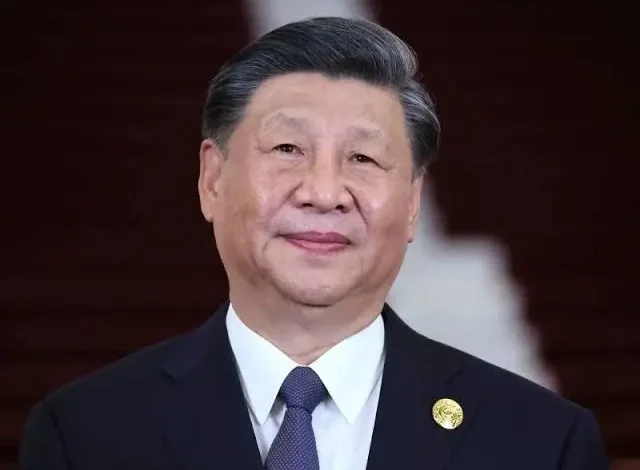
At a time when the Middle East continues to navigate complex geopolitical tensions and shifting alliances, President of the People’s Republic of China Xi Jinping has put forward a comprehensive four-point vision aimed at safeguarding and promoting peace and stability across the region. Announced on April 14, 2026, the proposal reflects China’s growing diplomatic engagement in the Middle East and offers a framework rooted in cooperation, sovereignty, and sustainable development.
Stay committed to the principle of peaceful co-existence. The Gulf states in the Middle East are close neighbors that cannot move away. It’s important to support the Gulf states in improving their ties, work to build a common, comprehensive, cooperative and sustainable security architecture of the Middle East and the Gulf region, and consolidate the foundation for peaceful co-existence.
Stay committed to the principle of national sovereignty. Sovereignty serves as a foundation for all countries, especially developing countries, to survive and thrive, and it must not be violated. The sovereignty, security and territorial integrity of the Gulf states should be earnestly respected, and the safety of their personnel, facilities and institutions vigorously safeguarded.
Stay committed to the principle of international rule of law. It is important to firmly uphold the international system with the U.N. at its core, the international order based on international law, and basic norms governing international relations underpinned by the purposes and principles of the U.N. Charter.
Stay committed to a balanced approach to development and security. Security is a prerequisite for development, and development serves as a safeguard of security. All sides should work to create a sound environment for and bring positive energy to the development of the Gulf states. China stands ready to share with the Gulf countries the opportunities through Chinese modernization, and work with them to nurture a fertile ground for regional development and security.

Implications for the Gulf and Beyond
For Gulf states, including Kuwait, this four-point vision presents both an opportunity and a strategic consideration. The emphasis on sovereignty, regional cooperation, and development aligns closely with the priorities of many countries in the region. At the same time, it reflects China’s broader ambition to play a more active role in shaping the international order.
As the Middle East continues to evolve, initiatives like this highlight the growing importance of diversified partnerships and multilateral approaches. Whether China’s vision will translate into tangible outcomes remains to be seen, but it undoubtedly contributes to the ongoing dialogue on how best to achieve lasting peace and stability.
A Vision for a Shared Future
In a world marked by uncertainty, China’s four-point proposal offers a structured and principled approach to one of the most critical regions in global geopolitics. Its success will ultimately depend on the willingness of regional and international actors to embrace cooperation over conflict, and development over division.
For now, it stands as a timely reminder that peace in the Middle East is not only a regional necessity but a global imperative.