Salalah: When Summer Turns Green
By Noura Khan
Special to The Times Kuwait
While much of the Gulf experiences soaring temperatures during the summer months, the southern Omani governorate of Dhofar offers a completely different scene. Here, nature transforms into an extraordinary landscape where mountains are blanketed in lush greenery, mist drifts gently across the hills, and seasonal waterfalls flow through scenic valleys, creating one of the Arabian Peninsula’s most remarkable natural destinations.
I had the pleasure of visiting Salalah this summer through an invitation from the Ministry of Heritage and Tourism of the Sultanate of Oman, in collaboration with Jazeera Airways, which operates direct daily flights between Kuwait and Salalah throughout the Khareef season. The convenient service, with a flight time of approximately three and a half hours, has made this unique destination more accessible than ever for travelers from Kuwait.
Known as the Khareef Dhofar Season, this extraordinary climatic phenomenon is unlike anything else in the Gulf region. Every year, beginning around 21 June, the southwest monsoon arrives from the Indian Ocean, bringing mist, light rain and cool temperatures that transform the mountains and plains of Dhofar into a vibrant green paradise. The official season continues until approximately 21 September, although the lush landscapes often remain for several weeks afterward, making September and even October wonderful times to visit.
Before arriving, I had always associated Salalah with pleasant weather, but the reality far exceeded my expectations. From the moment I landed, I was surrounded by low-hanging clouds embracing the mountains, cool breezes carrying the scent of rain, and winding roads disappearing into the mist. It was difficult to believe I was still on the Arabian Peninsula.
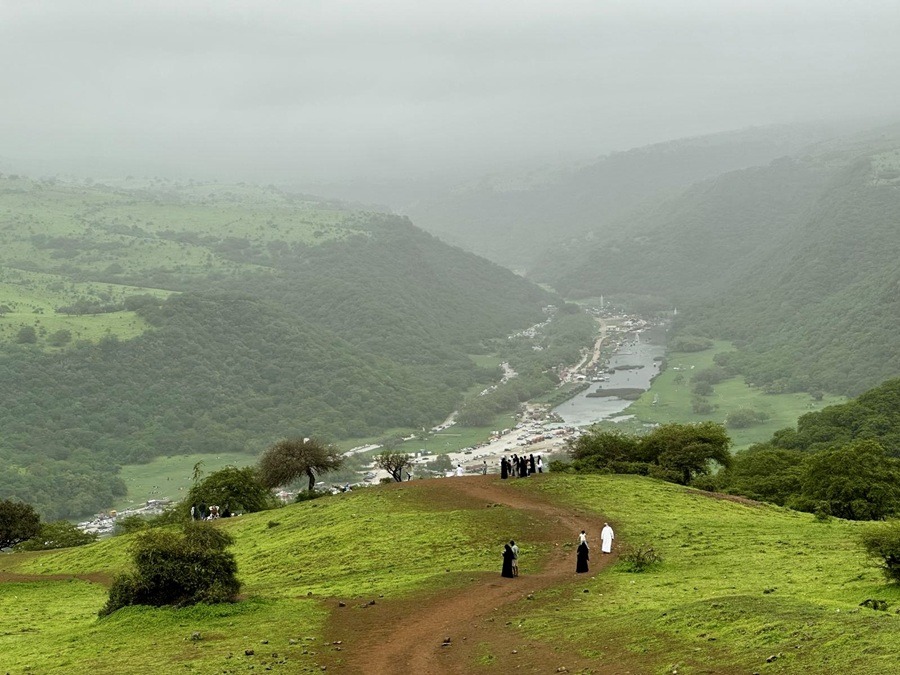
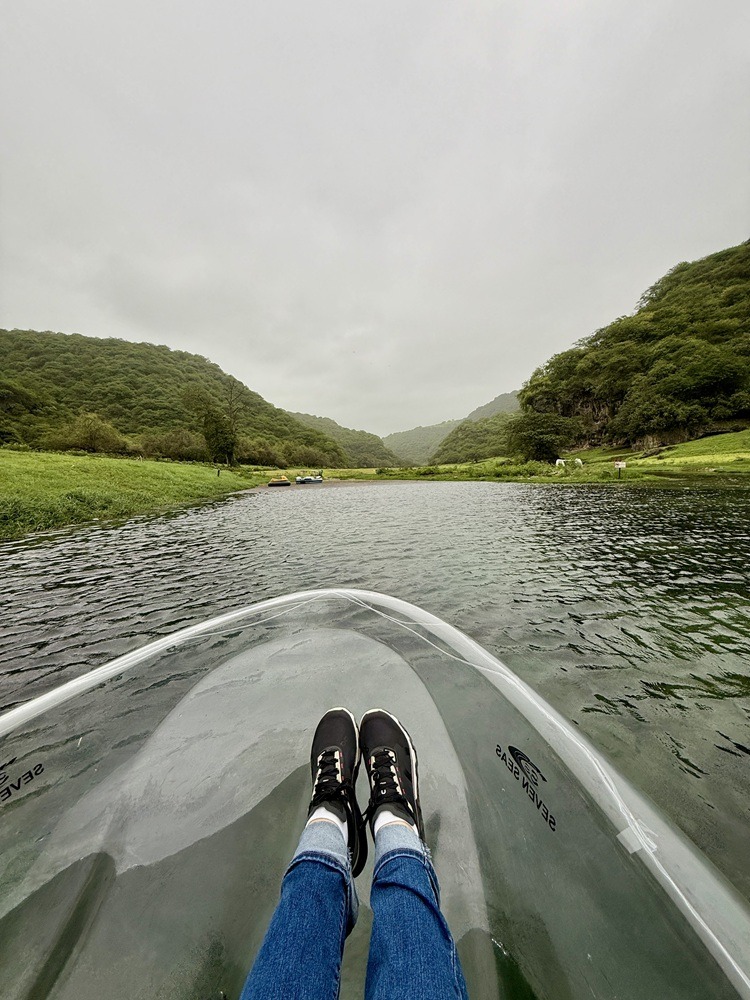
One of the highlights of my journey was Wadi Darbat, undoubtedly Salalah’s most iconic natural attraction. During the Khareef season, the valley comes alive with cascading seasonal waterfalls, peaceful lakes, rolling green meadows and lush vegetation. Visitors can enjoy boat rides on the lake, relax at nearby cafés, or simply spend hours immersed in one of the most picturesque landscapes in Oman.
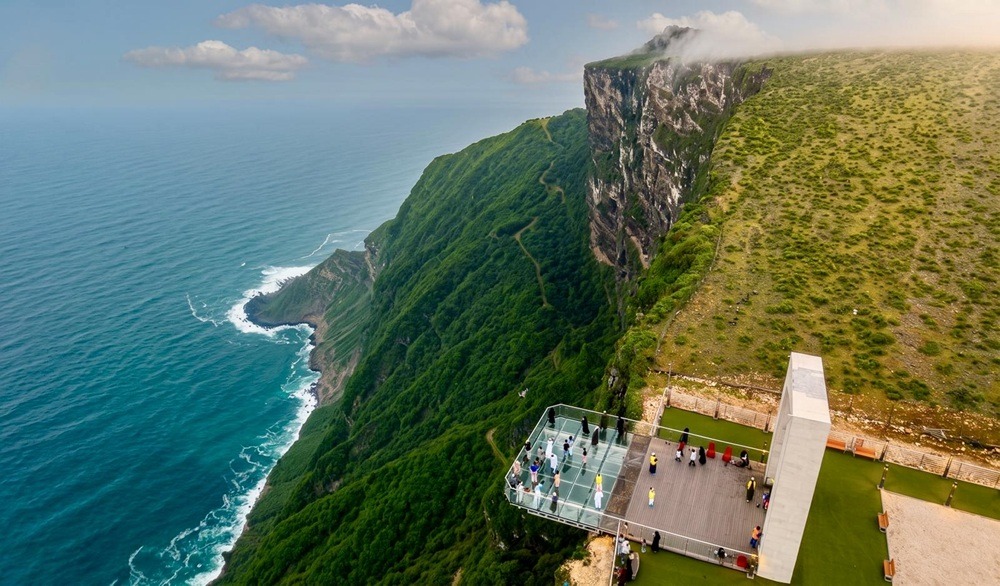
Another unforgettable stop was Taqah Cliff, where dramatic cliffs overlook the endless blue waters of the Arabian Sea. Standing high above the coastline while watching clouds drift across the mountains created one of the most breathtaking panoramas I experienced throughout the trip. It is undoubtedly one of Salalah’s finest photography locations.
The journey also offered a glimpse into the region’s rich cultural heritage through a visit to Kofan Heritage House, where traditional artifacts, historical collections and authentic Omani architecture tell the story of life in Dhofar across generations.
No visit to Salalah would be complete without exploring Al Mughsail Beach, one of Oman’s most spectacular coastlines. The beach is renowned for its famous natural blowholes, where powerful waves force seawater through openings in the coastal rocks, sending impressive jets of water high into the air—a fascinating natural spectacle that attracts visitors from around the world.
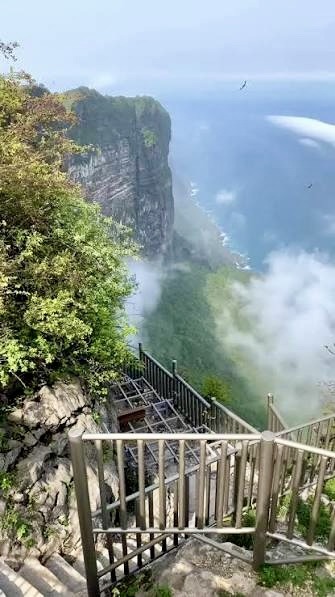
Equally impressive was Jabal Samhan, one of Dhofar’s highest mountain ranges. From its panoramic viewing platform, visitors are rewarded with sweeping views of dramatic cliffs, valleys and mountain landscapes often covered in mist, creating scenery that feels almost surreal.
Among the most unusual attractions was the famous Gravity Hill, where vehicles appear to roll uphill against gravity. Although the phenomenon is an optical illusion, it remains one of Salalah’s most entertaining experiences and continues to intrigue visitors.
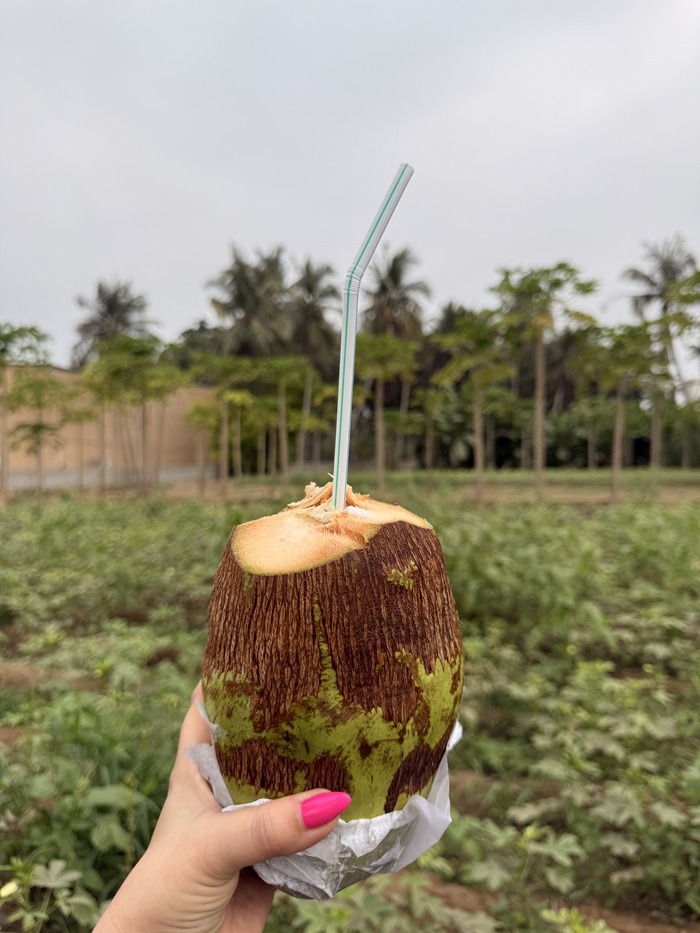
Nature lovers should also make time for the beautiful Al Qouf Farms, where coconut palms, bananas, papayas and a variety of tropical fruits thrive thanks to Dhofar’s unique climate. Walking through these lush plantations offers yet another reminder that Salalah is unlike anywhere else in the Gulf.
To experience the local culture, I visited Al Haffa Souq, one of Salalah’s oldest traditional markets. The fragrance of the region’s world-famous frankincense fills the narrow walkways, while local shops display perfumes, incense, handicrafts and traditional souvenirs that beautifully reflect Oman’s heritage.
Throughout my stay, I enjoyed the hospitality of several luxury resorts overlooking the Arabian Sea, where world-class comfort blends seamlessly with Dhofar’s spectacular natural surroundings, offering visitors the perfect balance between relaxation and exploration.
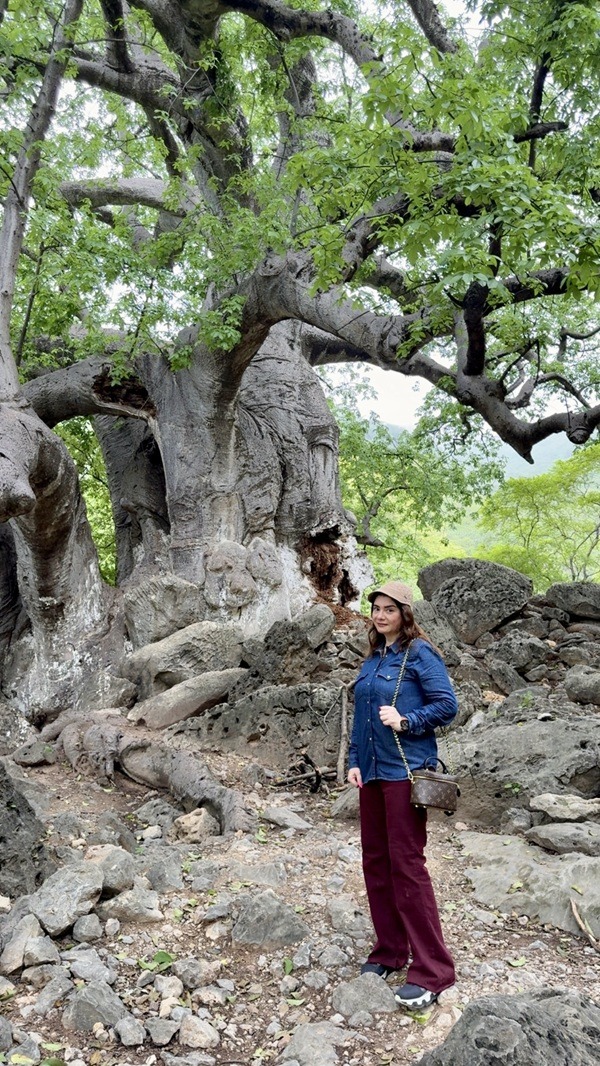
What truly sets Salalah apart is not a single landmark, but the remarkable diversity it offers within a relatively compact area. In just one day, visitors can travel from mist-covered mountains and emerald valleys to pristine beaches, tropical farms and historic markets, all within easy driving distance.
After experiencing Salalah firsthand, it became clear why it has become one of the Middle East’s most sought-after summer destinations. It is far more than a place with pleasant weather, it is a destination where extraordinary natural beauty, rich heritage and genuine Omani hospitality come together to create an unforgettable travel experience.
Salalah is not simply a summer getaway; it is a destination that reminds us that some of the world’s most extraordinary landscapes can be found in the most unexpected places, even in the heart of the Arabian Peninsula.
 Noura Khan, a travel influencer and content creator, is a Kuwaiti national, holds a degree in law from Kuwait University and has worked as a journalist prior to taking up a position in the government. In 2018 she started blogging on travel and visited more than 57 countries since. She has more than 125k followers on her blog post @nourajtraveller is well appreciated for content and travel information. Noura writes exclusively for The Times Kuwait on her travel visits.