India’s GCC boom sparks competition among states for $150 bln opportunity
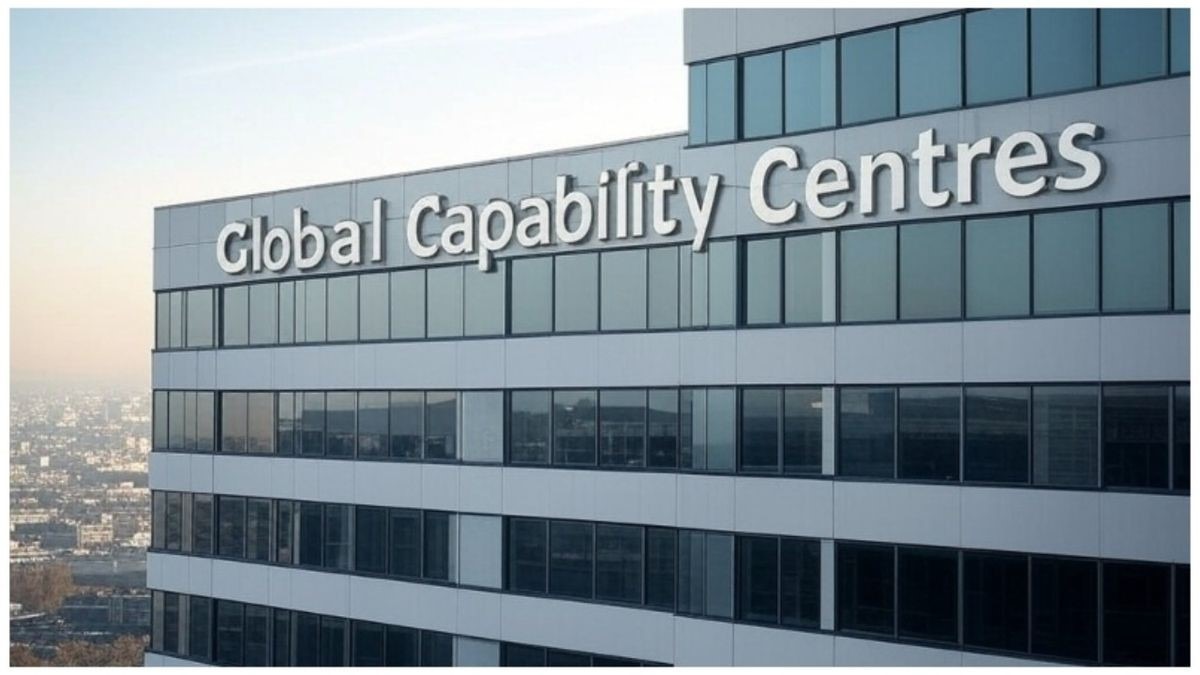
- If managed effectively, India’s expanding GCC ecosystem could create a more balanced and resilient knowledge economy while strengthening the country’s position as a global hub for technology and innovation.
India’s Global Capability Center (GCC) sector is undergoing a major transformation as states across the country compete to attract multinational companies looking to establish technology, research and innovation hubs.
Once concentrated mainly in Bengaluru, Hyderabad and the National Capital Region, GCC investments are now spreading to several emerging cities.
Global Capability Centers have evolved far beyond their traditional role as back-office support units.
Today, they handle high-value functions such as artificial intelligence, semiconductor design, cybersecurity, financial risk management, product engineering and research and development for some of the world’s largest corporations.
The sector currently contributes an estimated $65-70 billion to India’s economy and is projected to grow to $100-150 billion by 2030.
India already hosts more than 1,700 GCCs, employing nearly two million professionals, with both the number of centers and workforce expected to grow by as much as 50 percent over the next five years.
Recognizing the economic potential, state governments have launched aggressive policies to attract new investments.
Karnataka aims to add 500 new GCCs by 2029 while encouraging companies to expand beyond Bengaluru into cities such as Mysuru and Hubballi.
Uttar Pradesh is offering land subsidies and incentives for AI and cybersecurity centres, while Tamil Nadu, Telangana, Gujarat, Maharashtra, Kerala and Andhra Pradesh are promoting their own strengths through tax benefits, infrastructure improvements and specialized industry clusters.
Industry experts say multinational companies are no longer deciding whether to establish operations in India, but rather which Indian state offers the best mix of skilled talent, infrastructure, regulatory support and operating costs.
Financial services firms are increasingly drawn to Gujarat’s GIFT City, while Hyderabad continues to attract banking and pharmaceutical companies. Emerging Tier-II cities are also gaining attention because of lower costs and expanding talent pools.
However, analysts caution that intense competition among states could trigger a subsidy race, with governments offering increasingly generous incentives that may reduce public revenues without creating significant additional investment.
The Central Government is reportedly working on a national framework to ensure healthy competition while preventing excessive fiscal concessions.
Experts believe the long-term winners will be states that invest in skilled manpower, digital infrastructure, ease of doing business and regulatory stability rather than relying solely on financial incentives.
If managed effectively, India’s expanding GCC ecosystem could create a more balanced and resilient knowledge economy while strengthening the country’s position as a global hub for technology and innovation.