The US military is seeking fresh and unconventional ideas to increase pressure on Iran as the conflict enters a critical phase, highlighting growing concerns over the effectiveness of existing military strategies.
According to sources familiar with the matter, a senior intelligence officer at the US Central Command (CENTCOM) circulated an email last week inviting military analysts to propose “new creative and unconventional ways to pressure and punish Iran.”
The unusual crowdsourcing-style request, according to CNN, reflects mounting frustration over the limited options available to President Donald Trump as Washington seeks to force Tehran back to the negotiating table on US terms.
“We are looking for new creative and unconventional ways to pressure and punish Iran,” the email reportedly stated, encouraging analysts across the command to contribute innovative ideas.
A CENTCOM spokesperson confirmed that encouraging fresh thinking is part of the command’s culture.
“US Central Command has a long history of thinking and working in innovative ways,” said Capt. Timothy Hawkins, adding that Commander Admiral Brad Cooper regularly seeks input from personnel across all ranks to improve operational effectiveness.
The brainstorming initiative came shortly before Trump reportedly considered launching another round of military strikes against Iran before shelving the plan following diplomatic intervention by regional leaders, including Saudi Crown Prince Mohammed bin Salman, who urged de-escalation.
Despite weeks of US airstrikes targeting Iranian military assets and infrastructure linked to its strategic capabilities, intelligence assessments reportedly conclude that the bombing campaign has done little to alter Tehran’s negotiating position.
US intelligence agencies, including the Central Intelligence Agency (CIA) and the Defense Intelligence Agency (DIA), have assessed that air power alone is unlikely to compel Iran to accept Washington’s demands.
Chairman of the Joint Chiefs of Staff Gen. Dan Caine has also acknowledged publicly that airstrikes have inherent limitations. “Air power has its limits,” Caine told lawmakers last month.
Military planners have presented President Trump with several options, including an expanded bombing campaign targeting Iran’s missile infrastructure over one to two weeks.
However, officials reportedly remain concerned about dwindling stocks of air-defense interceptors, the potential for civilian casualties and the broader regional consequences of escalation.
Sources also indicate that deeply buried Iranian nuclear facilities would likely require a ground operation to be fully neutralized, an option Trump has so far been reluctant to pursue given the significant military and political risks.
With no clear breakthrough in sight, officials say Washington faces a difficult choice between escalating the conflict, pursuing renewed diplomacy or settling into a prolonged cycle of military exchanges that could further destabilize the region and threaten shipping through the Strait of Hormuz.
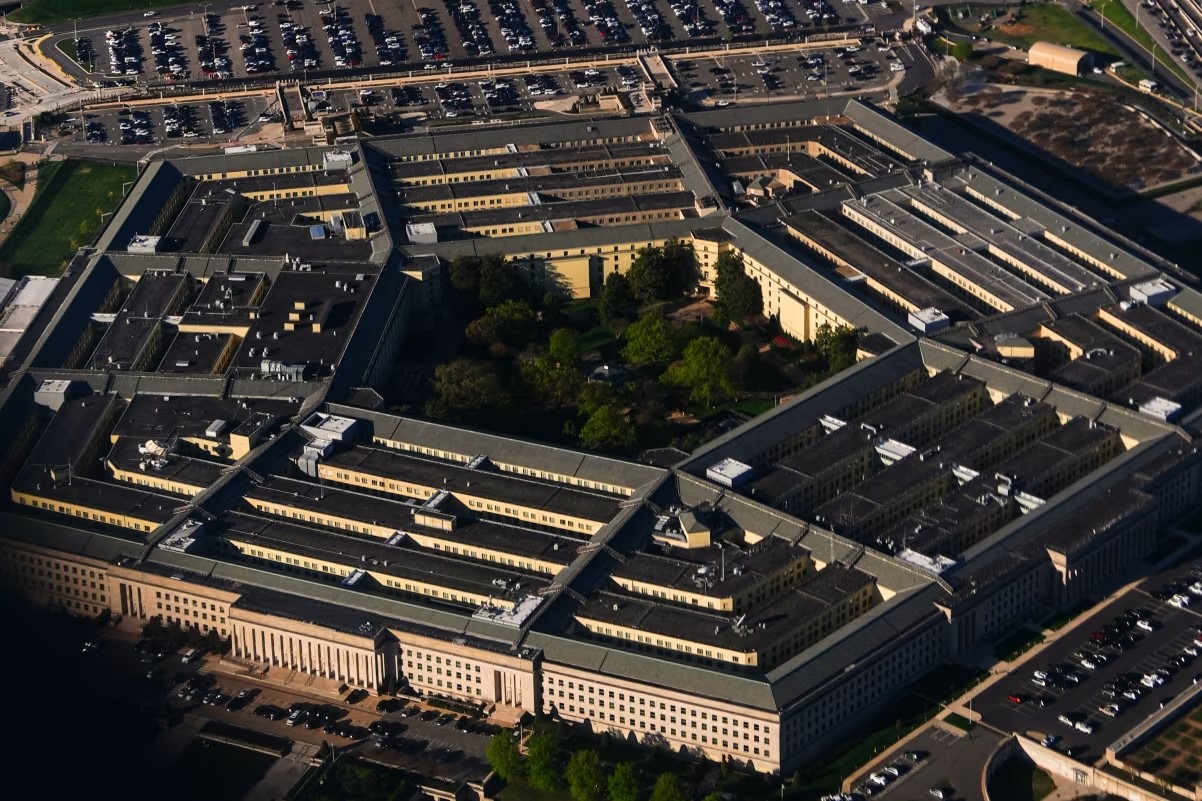
For now, the Pentagon appears to be exploring every possible avenue, including innovative ideas from within its own ranks, as it searches for a strategy capable of achieving US objectives while avoiding a wider regional war.