Kuwait marks ‘Women’s Day’, 21 years of political rights, national contribution

The State of Kuwait celebrated on Saturday Kuwaiti Women’s Day, observed annually on May 16, marking a landmark moment in the nation’s modern history when Kuwaiti women were granted full political rights 21 years ago.
The occasion reflects both official recognition and popular appreciation of the significant role Kuwaiti women have played across various sectors, establishing themselves as key partners in national development and state-building.
The anniversary comes as a reminder of a pivotal reform that reshaped Kuwait’s political and social landscape, enabling women to vote, run for office, and actively participate in decision-making processes.

Over the past two decades, Kuwaiti women have steadily expanded their presence in government, diplomacy, education, the judiciary, security sectors, and the private economy.
The Ministry of Foreign Affairs stated that “the achievements of Kuwaiti women enhance Kuwait’s regional and international standing,” reflecting their role in strengthening the country’s global reputation.
The statement added that women have become “an active partner in decision-making and development processes,” supported by state policies that promote gender inclusion and empowerment.
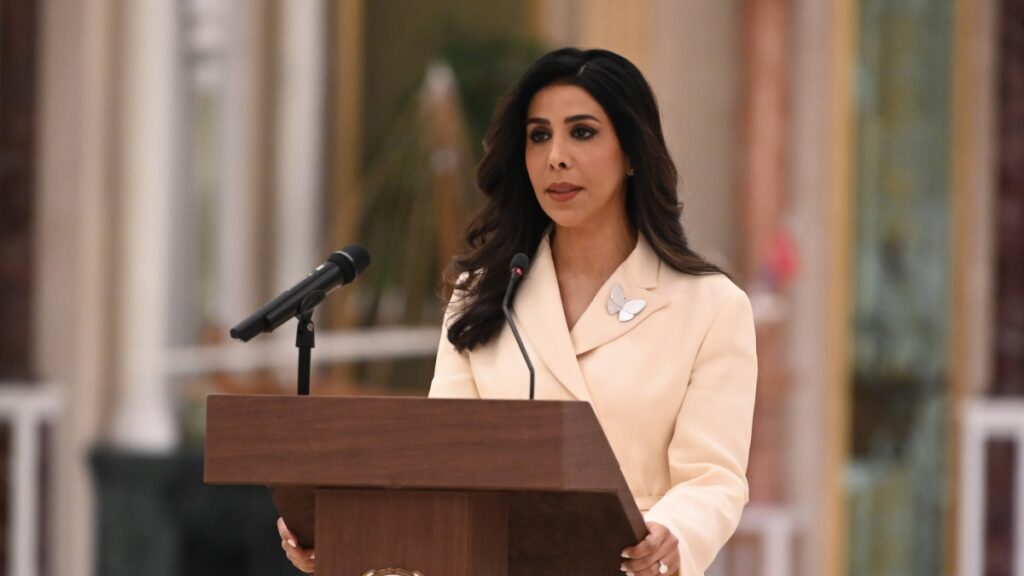
In recent years, Kuwait has witnessed increasing female leadership appointments across key institutions, including university administration, anti-corruption bodies, municipal leadership, and cybersecurity agencies.
Women now also serve in the judiciary and prosecution, alongside rising representation in security forces and military-linked institutions, marking what officials describe as historic progress.
In the economic sector, Kuwaiti women continue to play a vital role in the oil industry, contributing to engineering, planning, research, and executive management, while holding around 21 percent of board positions within Kuwait Petroleum Corporation and its subsidiaries.
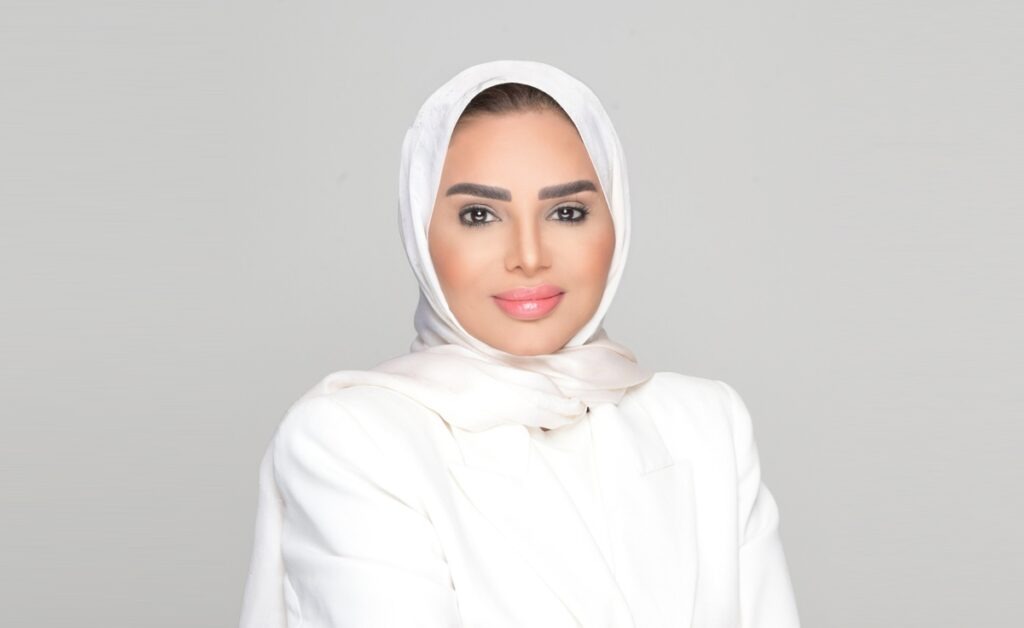
Women’s achievements also extend to academia and scientific research, where they have excelled in STEM fields and earned international recognition through innovation, publications, and awards.
Kuwait has also strengthened its legal framework to support women, including the recent adoption of legislation on protection from domestic violence and the establishment of shelters for victims.
The government has further integrated women’s empowerment into national development plans, focusing on healthcare, economic participation, social protection, and equal access to financial resources.
Kuwait is also a signatory to key international conventions on women’s rights, including CEDAW and protocols addressing trafficking in persons, reinforcing its global commitments.
Officials say these measures reflect a long-term national strategy to ensure women’s empowerment remains a cornerstone of sustainable development and social stability.
The current government includes three female ministers: Dr. Noura Al-Mashaan, Minister of Public Works; Dr. Amthal Al-Huwaileh, Minister of Social Affairs, Family and Childhood Affairs; and Dr. Reem Al-Fulaij, Minister of State for Development and Sustainability Affairs.
Since the granting of political rights in 2005, a total of 18 women have served as ministers, reflecting what officials describe as growing institutional confidence in women’s leadership.
Minister of Public Works Dr. Noura Al-Mashaan described May 16 as “a pivotal turning point and a decisive milestone in the history of Kuwait and the journey of empowering women through the granting of political rights and their active participation in decision-making positions.”
She added that Kuwaiti women have demonstrated their capabilities across generations, noting their contributions “from the pre-oil era until today” and highlighting their resilience during historic national crises.
Al-Mashaan also recalled the role of Kuwaiti women during the 1990 Iraqi invasion, saying they embodied “the highest meanings of sacrifice and courage” in defending the homeland.
She emphasized that women’s achievements are rooted in constitutional principles of justice and equality, which have enabled them to assume senior leadership positions across government and society.
Minister of Social Affairs Dr. Amthal Al-Huwailah said Kuwaiti Women’s Day is not merely symbolic, but a “strategic milestone to reflect on the journey of achievement and to strengthen legislative and institutional frameworks for continued empowerment.”
She noted that the granting of political rights in 2005 was a historic decision that “reinforced democracy, equality, and equal opportunity within society.”
Al-Huwailah added that Kuwaiti women have proven their excellence in administration, academia, diplomacy, and scientific research, becoming “a fundamental partner in sustainable development and Kuwait Vision 2035.”
She further highlighted that women’s participation in the national workforce has reached significant levels, with strong representation in both government and private sectors.
According to official data, Kuwaiti women represent about 47 percent of leadership and supervisory positions, alongside growing influence in the judiciary, security services, and oil sector.
On the occasion, ministers reaffirmed their commitment to continued progress, with Dr. Al-Huwaileh stating that Kuwaiti Women’s Day represents a renewed pledge to “continue giving to the nation and building a society founded on justice and equality.”
— KUNA