The Drama and Agony of the Penalty Shootout

As the FIFA World Cup 2026 enters its decisive knockout stages, one of football’s most dramatic spectacles has once again taken center stage the penalty shootout.
It is the ultimate test of nerve, composure and mental strength, where months, and sometimes years, of preparation are reduced to a few moments from 12 yards. Every kick carries the weight of a nation’s expectations, while every save can transform a goalkeeper into an instant hero.
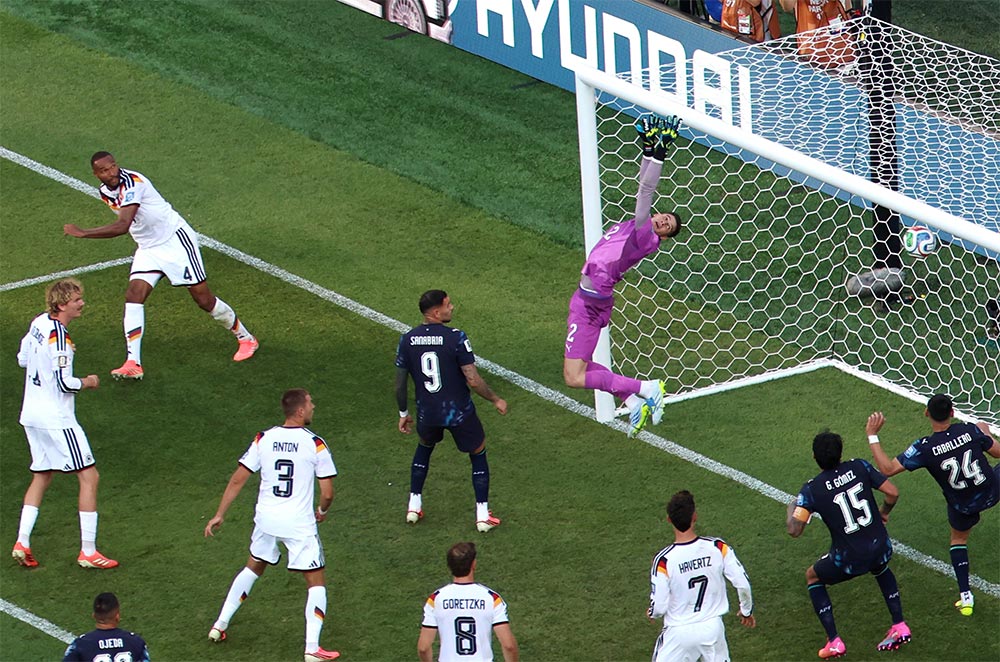
Already, the 2026 tournament has produced several unforgettable shootouts, highlighting why penalties remain football’s most emotional and controversial method of deciding matches. Dramatic victories by Egypt over Australia, Paraguay’s stunning upset of Germany and Morocco’s success over the Netherlands have once again demonstrated that while tactics and talent shape a match, the outcome of a shootout often hinges on psychology as much as technique.
More Than a Lottery
For decades, penalty shootouts were dismissed as little more than a lottery. Modern sports science disagrees. Researchers who have spent years studying thousands of penalties argue that success depends less on luck and more on emotional control, preparation and decision-making under extreme pressure.
According to sports psychologist Geir Jordet, one of the world’s leading authorities on penalty shootouts, anxiety is the one emotion every player experiences regardless of experience or ability. His research shows that subtle body language, hesitation and emotional reactions often reveal whether a player is mentally prepared before the ball is even struck.
Pressure Unlike Any Other
Few situations in sport expose athletes to greater pressure. Unlike a missed chance during open play, a missed penalty in a World Cup shootout is remembered for generations.
Legends such as Roberto Baggio, David Beckham, Cristiano Ronaldo and Lionel Messi have all experienced the emotional extremes associated with penalties, illustrating that even football’s greatest players are not immune to the pressure.
In many ways, the penalty taker stands alone. The goalkeeper has little to lose and everything to gain. A save earns glory, while conceding is often considered inevitable. The penalty taker, meanwhile, shoulders the hopes of teammates, coaches and millions of supporters.
The Psychology of Success
Modern national teams now treat penalty shootouts as a specialist discipline rather than an afterthought. Coaches increasingly employ sports psychologists, performance analysts and goalkeeper specialists to prepare players for every possible scenario. Teams practice not only technique but breathing exercises, visualization, decision-making and routines designed to reduce stress.
England, long haunted by penalty failures, has significantly transformed its approach through dedicated psychological preparation, while several other leading nations have adopted similar methods. Spain, meanwhile, views penalties as a skill that requires constant rehearsal rather than relying solely on natural ability.
Goalkeepers Have Changed the Game
Advances in data analytics have also revolutionized goalkeeping. Today’s goalkeepers study extensive databases detailing opponents’ preferred shooting directions, run-up patterns and body positioning. Many deliberately delay movement, vary their positioning or use subtle distractions to unsettle penalty takers.
Morocco goalkeeper Yassine Bounou, widely regarded as one of the world’s finest penalty specialists, has repeatedly demonstrated how preparation and psychological gamesmanship can tip the balance in his team’s favour. His calm demeanour and ability to read opponents have become invaluable weapons during knockout football.
Heroes and Heartbreak
The emotional consequences of a shootout often extend far beyond the final whistle.Players who score the winning penalty become national heroes overnight. Those who miss frequently face intense criticism, particularly in the age of social media.
The 2026 World Cup has once again highlighted football’s darker side. Following several high-profile shootouts, players from different national teams have been subjected to racist and abusive online messages after missed penalties, prompting FIFPRO and FIFA to call for stronger action to protect footballers from discrimination and online harassment.
Australia’s young defender Lucas Herrington, who missed during his country’s shootout defeat to Egypt, received widespread support from teammates and football icons, including Zlatan Ibrahimović, reminding the football world that courage should be celebrated as much as success.
Can Shootouts Be Made Fairer?
The fairness of penalty shootouts has long been debated. Some studies once suggested that the team taking the first penalty enjoyed a significant psychological advantage. However, more recent research involving thousands of shootouts indicates that any advantage is minimal. Instead, success appears to depend more on how players handle the pressure of “must-score” moments than on the order of kicks.
Football’s lawmakers have even considered modifying the procedure to improve fairness, although the traditional format remains in place for the 2026 World Cup.
Football’s Ultimate Theatre
Few moments in sport combine drama, suspense and raw human emotion like a penalty shootout. For supporters, every kick feels like an eternity. For players, those few seconds between placing the ball on the spot and hearing the referee’s whistle can define an entire career.
Some will experience unforgettable triumph. Others will carry heartbreak for years.That is why penalty shootouts continue to fascinate football fans across generations. They are not merely contests of skill, but extraordinary examinations of character, resilience and mental strength.
As the FIFA World Cup 2026 moves closer to its conclusion, more matches are likely to be decided from the penalty spot. And if history is any guide, the greatest stories of the tournament may still be waiting to unfold just 12 yards from goal.