Shrimp tops Kuwait’s seafood consumption chart as local fish market thrives
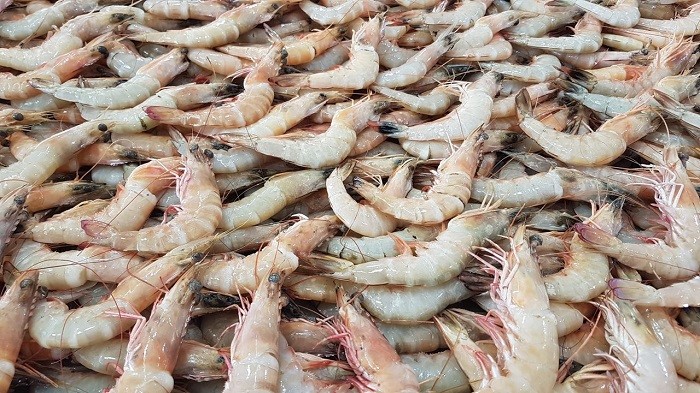
- Strong consumer demand for locally sourced seafood continues to support Kuwait’s fishing industry, with shrimp emerging as the nation’s most consumed marine product and traditional favorites maintaining a significant presence on Kuwaiti dining tables.
Kuwait’s seafood market continues to demonstrate strong consumer demand, with locally sourced fish and shrimp playing a significant role in supporting food security, commercial activity and the livelihoods of those working across the fishing and marine sectors.
According to data published by Al-Anba, shrimp ranked as the most consumed seafood product in Kuwait, recording sales of 960,580 kilograms valued at approximately KD2.34 million.

The figures highlight the resilience of Kuwait’s marine economy, where fishing, transportation, storage, wholesale distribution and retail activities collectively contribute to economic growth and liquidity circulation within the local market.
Industry observers note that consumer preference for fresh local seafood continues to underpin demand, reinforcing the importance of the sector within Kuwait’s broader food supply chain.
Top 10 Most Consumed Seafood Varieties in Kuwait
Shrimp emerged as Kuwait’s most consumed seafood product, with total consumption reaching 960,580 kilograms and generating sales valued at approximately 2.34 million dinars. It was followed by Nuwaibi, which recorded consumption of 234,490 kilograms worth 570,280 dinars, while Kanad ranked third with 174,940 kilograms consumed, valued at 317,560 dinars.
Basi secured fourth place with consumption totaling 173,000 kilograms and sales of 122,560 dinars. Sha’oum followed closely in fifth position, recording 164,060 kilograms in consumption and generating 439,200 dinars in market value. Hamour, one of Kuwait’s most popular premium fish varieties, ranked sixth with 128,200 kilograms consumed, valued at 653,150 dinars.
Sha’ari came in seventh place with consumption reaching 99,280 kilograms worth 186,800 dinars. Khabat ranked eighth, with 82,900 kilograms consumed and a market value of 101,340 dinars. Bayah occupied ninth place, recording consumption of 60,250 kilograms valued at 100,680 dinars.
Completing the top 10 was Zubaidi, Kuwait’s national fish and one of the country’s most prized seafood varieties, with consumption totaling 55,870 kilograms and sales valued at 525,800 dinars. Despite ranking tenth in volume, Zubaidi maintained one of the highest market values among local fish species, highlighting its premium status among consumers.
Economic Significance Beyond Food Consumption
Beyond their value as food products, local fish species contribute significantly to Kuwait’s marine economy. The sector supports fishermen, distributors, wholesalers, retailers and logistics operators, creating a broad economic ecosystem linked to seafood production and sales.
The continued demand for local seafood reflects both consumer confidence and the market’s ability to absorb substantial volumes of marine production. It also underscores the strategic role of fisheries in supporting Kuwait’s food security objectives and preserving traditional dietary preferences.
While shrimp dominates consumption by volume, premium varieties such as Hamour and Zubaidi continue to command strong market values, reflecting their enduring popularity among Kuwaiti consumers.
As demand for fresh seafood remains robust, the fishing and marine markets sector is expected to continue contributing to economic activity while supporting sustainable food supply chains across the country.