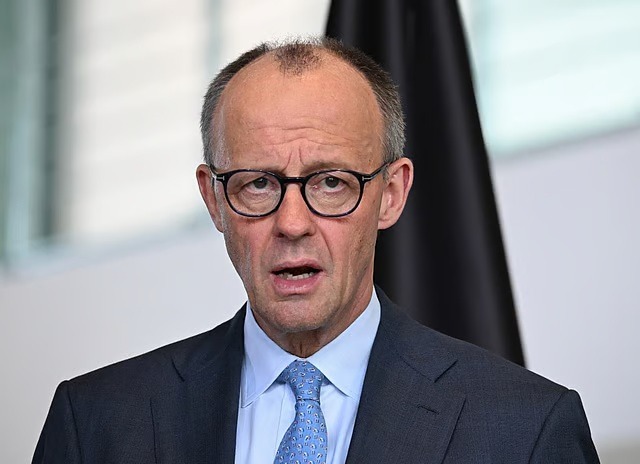
A widening divide has emerged between the United States and Europe over the Iran crisis, with German Chancellor Friedrich Merz accusing Tehran of “humiliating” Washington through stalled negotiations, while exposing growing fractures among Western allies.
In one of Europe’s sharpest criticisms yet, Merz said Iran had been “very skilful at not negotiating,” referring to failed diplomatic efforts, including a US initiative in Islamabad that ended without progress. He warned the crisis was imposing mounting economic costs on Europe, particularly Germany, as disruptions in the Strait of Hormuz continue to shake global energy markets.
The remarks come amid growing divergence between Washington’s hardline posture and Europe’s cautious diplomacy.
While the United States, under President Donald Trump, has pursued military pressure, naval deployments and threats of force to reopen Hormuz, European governments have largely resisted direct involvement, favoring de-escalation and renewed diplomacy.
European leaders increasingly view the conflict through the lens of economic vulnerability and strategic risk, warning against being drawn into what some have described as another potential “forever war,” echoing the lessons of Iraq and Afghanistan.
Trump has deepened tensions with allies by openly criticizing European governments for withholding military and logistical support. British Prime Minister Keir Starmer has faced repeated criticism from Washington, while Spain has angered the US administration by denying access to key airbases and restricting American military flights. Italy and other allies have also resisted broader participation.
The fallout has underscored a growing transatlantic split, with European capitals signaling they do not see the conflict as their war.
The divide is particularly visible in four areas: military engagement, where Washington favors direct pressure while Europe remains reluctant; diplomacy, where Europe continues to back negotiations over brinkmanship; energy security, where Europe faces sharper economic exposure; and maritime security, where support for operations in Hormuz remains conditional and defensive.
Berlin has offered to deploy minesweepers to help secure shipping routes, but only if hostilities ease — a sign that even limited European cooperation is tied to de-escalation.
Former NATO Secretary-General Jens Stoltenberg warned the conflict could spiral unpredictably, cautioning that broader escalation would carry severe geopolitical and economic consequences.
For Europe, those consequences are already tangible. With economies still adjusting after reduced dependence on Russian energy, renewed instability in Gulf shipping routes has intensified concerns over supply disruption, inflation and slower growth.
Efforts to revive diplomacy have also faltered. Planned US contacts in Islamabad were abandoned after talks stalled, while parallel diplomatic channels in Oman have failed to produce breakthroughs, leaving negotiations adrift as tensions simmer.
What is emerging is more than a dispute over Iran strategy — it is shaping into a broader test of Western unity, pitting a US administration pressing military leverage against a Europe increasingly wary, economically exposed and politically unconvinced.
With diplomacy stalled, alliances strained and markets unsettled, the Iran crisis is fast becoming not only a Middle East flashpoint, but a defining challenge for transatlantic cohesion.