India’s ‘Cockroach’ movement targets election chief over voter-roll controversy
. . . outlines three demands: Kumar’s resignation and criminal proceedings against him; a freeze on the SIR and suspension of upcoming elections; and repeal of the 2023 law governing the appointment of India’s election commissioners

India’s youth-led Cockroach Janta Party (CJP) and opposition parties are demanding the resignation of Chief Election Commissioner Gyanesh Kumar following allegations over decision-making during a large-scale revision of voter rolls, intensifying a wider political debate over electoral transparency and public trust.
The controversy centres on the Special Intensive Revision (SIR) of voter rolls. An investigation by The Indian Express reported that key decisions concerning voter registrations, deletions, restorations and control of electoral-roll data may have been taken without the approval of two of the three election commissioners.
According to the newspaper, Election Commissioners Sukhbir Singh Sandhu and Vivek Joshi submitted at least 14 formal objections over 10 months. In one objection, Sandhu alleged that the Election Commission of India (ECI) acted against the written advice of two commissioners and described the action as “unauthorized and illegal.”
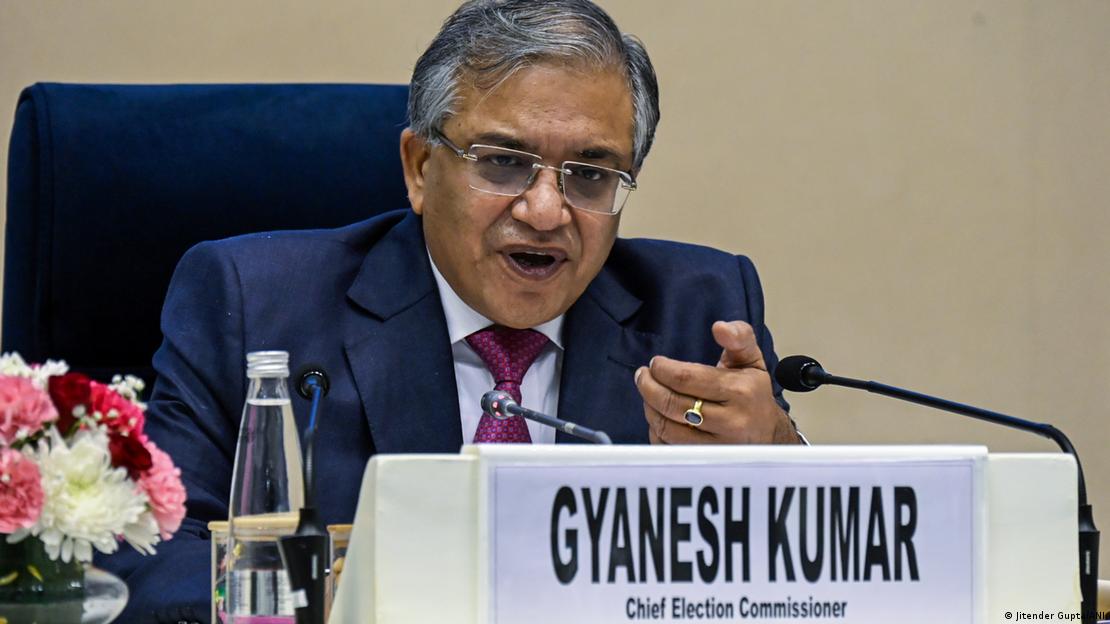
The ECI rejected the suggestion that the allegations represented the full picture, saying differences of opinion were a routine part of decision-making. CJP founder Abhijeet Dipke has called Kumar “the biggest threat to India’s democracy” and demanded his resignation. He also called for nationwide demonstrations, beginning in Mumbai on October 2, but the planned protest faced police restrictions.
The movement continued to mobilize supporters despite the restrictions, while opposition parties echoed its criticism of Kumar and the Election Commission. Congress leader Pawan Khera alleged that decisions linked to the SIR were taken without the knowledge or approval of two election commissioners and argued that this called the legality of the exercise into question, according to news agencies.
Congress and other opposition parties have also accused the ECI of working with the ruling Bharatiya Janata Party (BJP) to manipulate voter lists and influence state elections. The ECI and BJP have denied the allegations.
The CJP, which has millions of followers on social media and previously helped force the resignation of Education Minister Dharmendra Pradhan following student protests in July, has outlined three demands: Kumar’s resignation and criminal proceedings against him; a freeze on the SIR and suspension of upcoming elections; and repeal of the 2023 law governing the appointment of India’s election commissioners.
The latest campaign has therefore expanded the movement’s political focus from student-led protests to the country’s electoral institutions, placing the conduct of voter-roll revisions and the independence of the Election Commission at the centre of a growing public debate.