- While diplomatic efforts continue behind the scenes, the Houthi announcement underscores the growing risk that the regional conflict could expand further, drawing additional countries and strategic trade routes into an increasingly volatile security landscape.
The conflict in the Middle East widened on Monday after Yemen’s Houthi movement announced what it described as a “maritime embargo” against Saudi Arabia, a move that threatens one of the world’s most critical energy shipping corridors and raises fresh concerns over regional stability.
The announcement came as fighting between the United States and Iran entered a more dangerous phase, with continued military exchanges across the region and renewed diplomatic efforts aimed at securing a temporary ceasefire.
Saudi Arabia responded swiftly, with the Saudi-led coalition warning that it would take military action to counter any threat to maritime navigation.
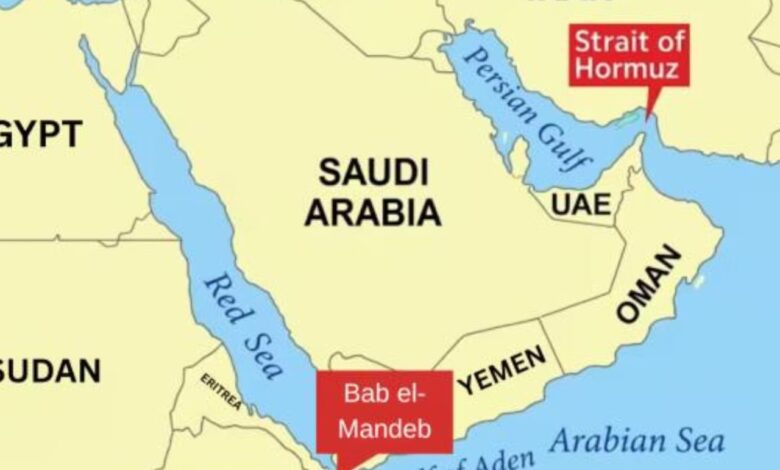
The coalition also announced enhanced security measures to protect vessels transiting the Bab el-Mandeb Strait, a strategic gateway linking the Red Sea to global shipping lanes.
The latest escalation follows months of disruption to Gulf energy exports after military tensions affected navigation through the Strait of Hormuz.
Analysts warn that any prolonged disruption at Bab el-Mandeb could significantly tighten global oil supplies and place additional pressure on international shipping and insurance costs.
Energy markets reacted cautiously. Oil prices briefly climbed following the Houthi announcement before retreating as investors focused on reports that diplomatic channels between Tehran and Washington remain active, Reuters reports.
Meanwhile, the United States launched another round of strikes targeting sites inside Iran, while Iran’s Islamic Revolutionary Guard Corps claimed responsibility for attacks on U.S. military assets in Jordan, Kuwait and Syria.
The deteriorating security environment has prompted heightened military readiness across the Gulf.
With both the Strait of Hormuz and the Bab el-Mandeb facing heightened security risks, analysts warn that any sustained disruption to shipping through either chokepoint could have significant consequences for global energy markets, freight costs and international supply chains.
While diplomatic efforts continue behind the scenes, the Houthi announcement underscores the growing risk that the regional conflict could expand further, drawing additional countries and strategic trade routes into an increasingly volatile security landscape.