Power conservation emerges as first line of defense for Kuwait’s energy security

- Combined with government measures to strengthen the electricity network, public cooperation is being described as a vital pillar in maintaining uninterrupted power supplies during a critical period.
As Kuwait’s electricity infrastructure faces mounting pressure from regional security threats, soaring summer temperatures, and record energy demand, authorities are calling on the public to view electricity conservation not merely as a cost-saving measure, but as a collective national responsibility.
With power stations and transmission lines increasingly vulnerable to disruption amid ongoing regional tensions, energy experts say reducing electricity consumption has become one of the most effective tools available to help protect the stability of the national grid.
Combined with government measures to strengthen the electricity network, public cooperation is being described as a vital pillar in maintaining uninterrupted power supplies during a critical period.
The Ministry of Electricity, Water and Renewable Energy says responsible energy use is now a strategic necessity, particularly as peak summer temperatures continue to drive demand to seasonal highs.
Undersecretary Dr. Adel Al-Zamel said rationalizing electricity and water consumption is essential to ensuring the long-term sustainability of Kuwait’s resources, noting that demand rises significantly during the summer months when cooling needs place exceptional pressure on the power system.
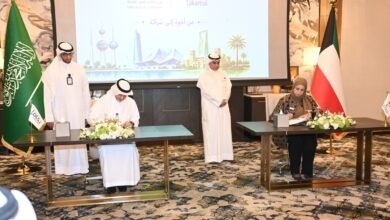
He highlighted the continued success of the ministry’s “Save” national awareness campaign, now in its third edition, which aims to encourage responsible consumption among citizens, residents, government institutions, and the private sector. The initiative seeks to reduce waste, protect national resources, and support both environmental and economic sustainability.
According to Al-Zamel, the campaign reflects a broader national strategy that places resource sustainability at the center of government policy. He credited the widespread support of public institutions and community partners for helping expand the campaign’s reach and strengthen awareness across the country.
The ministry’s official spokesperson, Engineer Fatima Hayat, praised the strong public response to conservation messages, describing it as evidence of growing community awareness and a shared sense of national responsibility.
She said the active participation of citizens, residents, government agencies, media organizations, and private-sector partners in sharing awareness campaigns has significantly amplified the ministry’s outreach efforts.
This broad engagement, she noted, has helped reinforce a culture of responsible electricity use during a period of exceptional pressure on Kuwait’s power system.
With summer demand expected to remain elevated, officials continue to emphasize that every reduction in consumption contributes to strengthening the resilience of the national electricity grid, making energy conservation a shared responsibility that supports both national security and long-term sustainability.