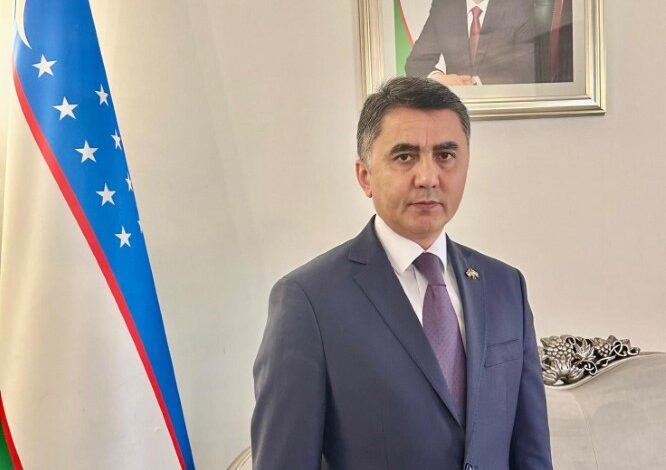
By H.E. Ayub Khan Yunusov
Ambassador of Uzbekistan
Situated in the ancient cradle of civilizations along the lower Amu Darya, the Khorezm region of Uzbekistan stands as one of the most remarkable cultural and historical destinations along the Silk Road. From its UNESCO-protected cities and majestic palaces to its unmatched culinary traditions, fruit culture, and vibrant festivals, Khorezm offers a fascinating blend of antiquity and modernity—a place where every stone, every dance, and every flavor tells a story.
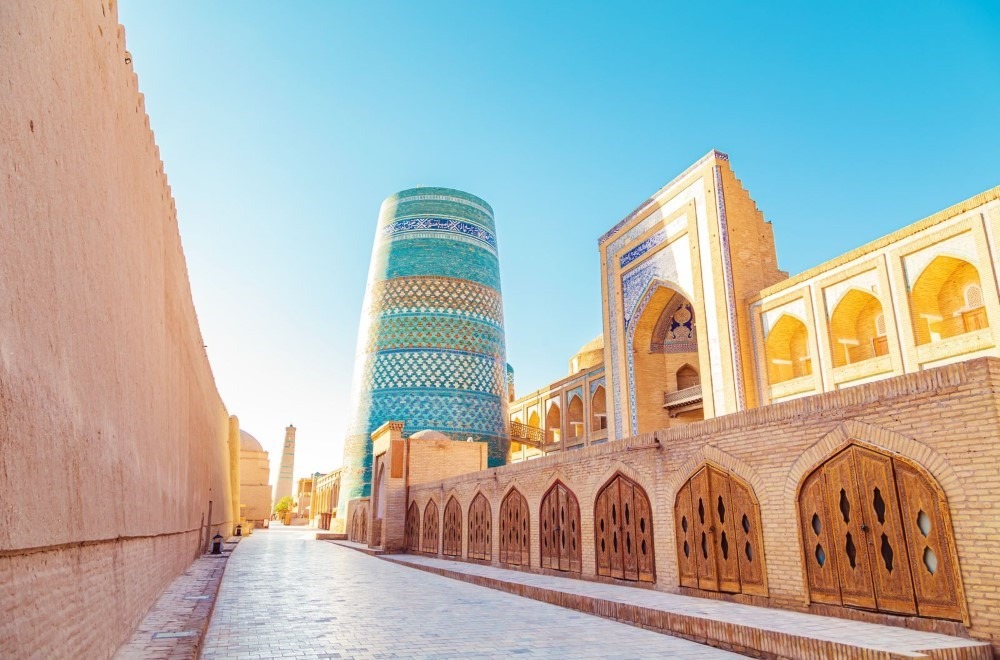
At the heart of Khorezm lies Khiva, a timeless city whose very walls seem to whisper the stories of caravans, scholars, craftsmen and rulers who shaped the history of Central Asia. Its inner fortress, Ichan-Kala, a UNESCO World Heritage Site, stands as one of the most remarkably preserved medieval cities in the world. Wandering through its labyrinth of narrow streets, visitors encounter more than fifty architectural monuments, including the legendary Kalta-Minor Minaret, the ancient Kunya Ark Citadel, the soaring Islomkhodja Minaret, the serene courtyards of the Matpanabay Madrasa and the mystical Juma Mosque, supported by 218 wooden pillars carved over generations by Khorezmian masters. Walking through Ichan-Kala feels like stepping back into a distant era, a living museum where centuries of history remain beautifully suspended in time.
Just outside Ichan-Kala stands one of Khorezm’s most distinguished architectural treasures, the Nurullaboy Palace. Built in the early 1900s as the residence of the Khivan Khan, the palace is a masterpiece combining Eastern aesthetics with European royal interior design. The palace is famous for its richly decorated halls, stucco work, crystal chandeliers, and the celebrated White Hall, created by Russian architects.
Today, the palace serves as a vivid reminder of political reforms, cultural openness, and the artistic sophistication of the Khivan court during a transformative era.
Adding a vibrant and modern dimension to Khiva’s historical landscape is the newly developed cultural and entertainment district known as Arda Khiva. Created to enhance visitor comfort while preserving the traditional aesthetics of the ancient city, Arda Khiva features modern boutique hotels, craft ateliers where local masters practice woodcarving, silk embroidery and pottery, as well as open-air theatres that host folk performances and energetic Lazgi shows.
Khorezm also offers inviting culinary spaces serving authentic Khorezm dishes, allowing visitors to enjoy local flavors in a contemporary setting. Arda Khiva has become a place where the timeless atmosphere of Khiva seamlessly blends with modern amenities, creating an ideal environment for travelers seeking to immerse themselves in both the region’s rich history and its dynamic present-day culture.
Khorezm is not only renowned for its magnificent architecture but is also celebrated as a true gastronomic paradise. The region’s legendary melons, grown in the fertile soil and unique climate of Khorezm, have been admired across Central Asia for centuries. Varieties such as the incredibly fragrant and sweet Gurvak, the pink-fleshed Gulobi qovun, the traditional Mirzachul, the beautifully drying Kandim, and the long-lasting winter melon Og‘uzboqar are so exceptional in taste that many travelers have described them as the ‘Nectar of the Silk Road’. Khorezm’s orchards likewise produce some of the finest fruits in the region, including sun-ripened apricots, honey-sweet figs, juicy pomegranates, plump grapes, and fragrant peaches and plums.
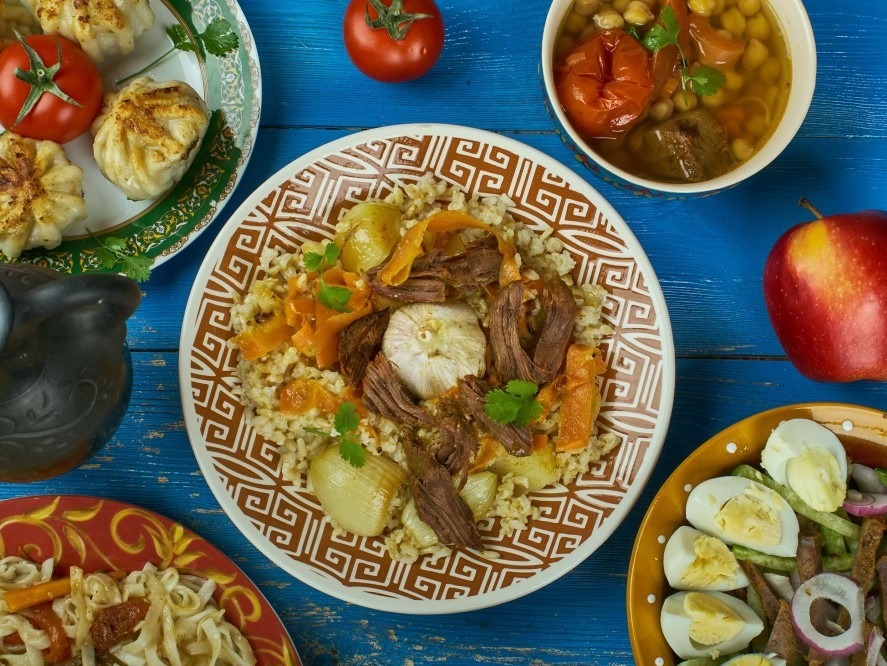
Khorezm’s cuisine is equally rich and diverse, offering authentic dishes such as Shivit Oshi, the bright green dill noodles served with meat and yogurt; Gumma, the tender steamed dumplings; Tukhum Barak, unique egg-filled pastries; Khoshili, a traditional wheat-and-milk dish; and local breads like Patir and Katlama, baked in clay ovens. Amu Darya fish dishes and aromatic Khorezm halva add even more depth to this culinary heritage, each prepared using techniques passed down for generations.
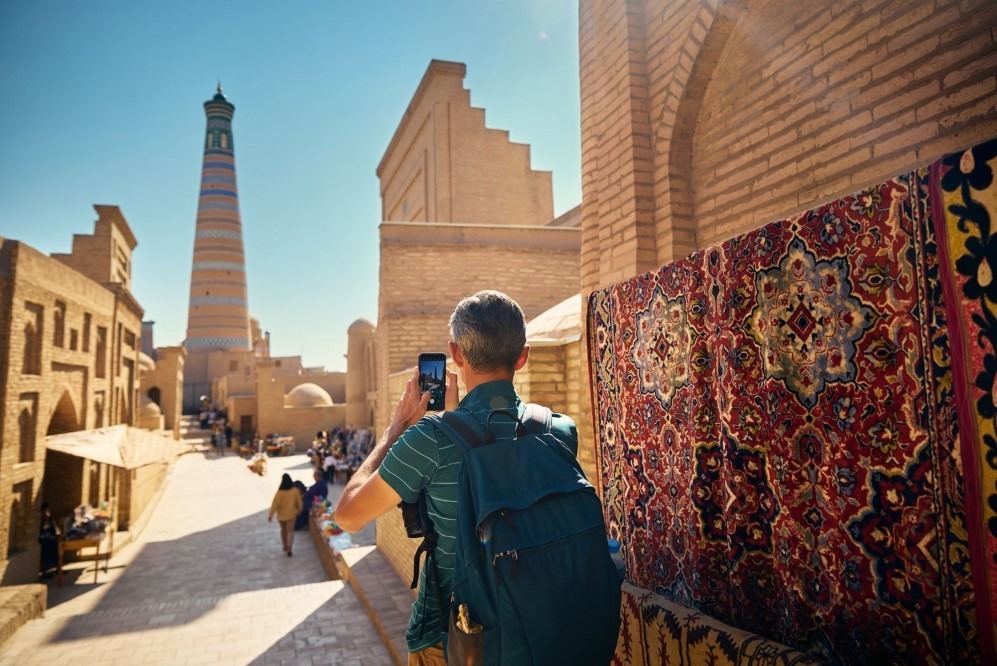
The cultural vibrancy of the region is further highlighted through its festivals, including the annual Khiva International Silk Road Festival, which fills the ancient streets of Ichan-Kala with Lazgi dance performances, traditional music, craft demonstrations, historical reenactments and colorful processions. The lively Melon Festival (Qovun Sayli) celebrates the region’s famed melons through competitions. During this festival, local farmers compete to present the sweetest and largest melon, while visitors enjoy tasting events, traditional games and lively folklore performances that reflect the region’s deep agricultural traditions.
Khorezm hosts a rich variety of festivals that honor its ancient traditions, arts, agriculture and historical legacy, turning the region into a vibrant cultural stage throughout the year. One of the most celebrated events is the Khiva International Silk Road Festival, held annually, which brings the ancient streets of Ichan-Kala to life with captivating Lazgi dance performances, traditional music, artisan demonstrations, historical reenactments and colorful street processions that showcase the spirit of the Silk Road.
Equally beloved is the Melon Festival, or Qovun Sayli, a joyful celebration dedicated to Khorezm’s world-famous melons. During this festival, local farmers compete to present the sweetest and largest melon, while visitors enjoy tasting events, traditional games and lively folklore performances that reflect the region’s deep agricultural traditions. Meanwhile, various handicraft and folk art festivals showcase Khiva’s master artisans who continue centuries-old traditions of woodcarving, pottery, carpet weaving, embroidery and blacksmithing. These festivals collectively highlight the cultural richness of Khorezm and offer travelers unforgettable experiences rooted in authenticity and heritage.
Khorezm today is rapidly transforming to meet international tourism standards while preserving its authentic cultural charm. The region has seen the emergence of new hotels, eco-lodges and boutique guesthouses that offer both comfort and a sense of local identity. Transportation links are steadily improving, making travel to and within the region far more convenient for visitors. Adventure seekers can enjoy organized desert tours and camel trekking across the vast Kyzylkum landscapes, while nature enthusiasts explore dedicated birdwatching routes along the Amu Darya delta, home to diverse and rare species. Rural guesthouses provide immersive cultural experiences where travelers can participate in traditional household activities, sample home-cooked dishes and learn about local crafts. All these developments ensure that Khorezm remains an inviting destination where modern comfort harmoniously coexists with timeless heritage, offering international travelers a journey that is both authentic and unforgettable.
With its unique blend of ancient monuments, royal palaces, modern cultural centers like Arda Khiva, legendary cuisine, world-famous melons, musical heritage, and vibrant festivals, Khorezm stands today as one of the most captivating destinations in Central Asia. For travelers seeking authenticity, history, natural beauty, and unforgettable flavors, Khorezm remains the beating heart of the Silk Road—a place where the past and present blend seamlessly into a timeless cultural masterpiece.