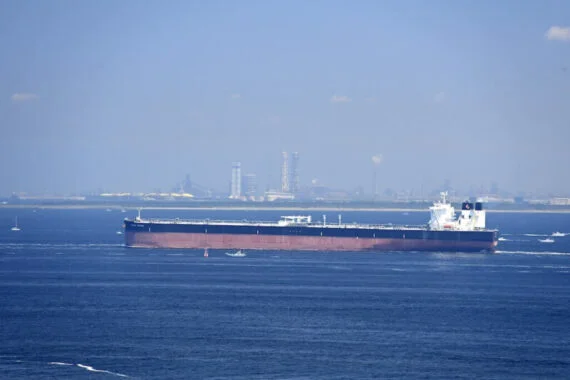
The Strait of Hormuz has become a central strategic and legal focal point amid escalating tensions linked to the US and Israel–Iran conflict, as it directly affects global energy flows and the stability of ongoing peace talks. Because a large share of global oil and LNG passes through the strait, any disruption has immediate economic and geopolitical consequences.
International law governing maritime straits distinguishes between “innocent passage” in peacetime and “transit passage” under the 1982 UN Convention on the Law of the Sea, which guarantees uninterrupted movement through key chokepoints. However, wartime conditions complicate these rules, especially when coastal states involved in conflict attempt to restrict access.
The Strait of Hormuz is one of the world’s most critical energy routes, linking major Gulf oil and gas exporters, including Iran, Saudi Arabia, the UAE, Kuwait, Qatar, and Iraq, to global markets.
It carries over a quarter of global seaborne oil trade and a significant share of LNG shipments, meaning even temporary disruption could trigger sharp spikes in energy prices and global supply chain instability.
Legal analysis highlights that while states may suspend passage in limited circumstances within their territorial waters, they cannot fully close international straits or block neutral shipping without violating international law. The 1949 Corfu Channel case reinforced that even during war, neutral commercial vessels retain rights of passage through international straits, according to PT.
The article stresses that in wartime scenarios, belligerent states may target enemy vessels but cannot lawfully attack neutral merchant shipping or impose total blockades on international straits without UN Security Council authorization. Any such action would likely constitute a breach of international law and could trigger proportional self-defense responses by affected states.
It also notes that Iran’s control over parts of the Strait of Hormuz does not grant it legal authority to fully close the passage or endanger civilian shipping. Any attempt to do so would undermine global maritime law and potentially escalate into broader military and economic conflict.
Ultimately, the international straits like Hormuz are vital global trade arteries, and their closure or militarization would have severe worldwide consequences, making adherence to maritime law essential for preventing further escalation in already fragile geopolitical conditions.