Celebrating Turkish Cuisine Week 2026: ‘The Heritage Table’
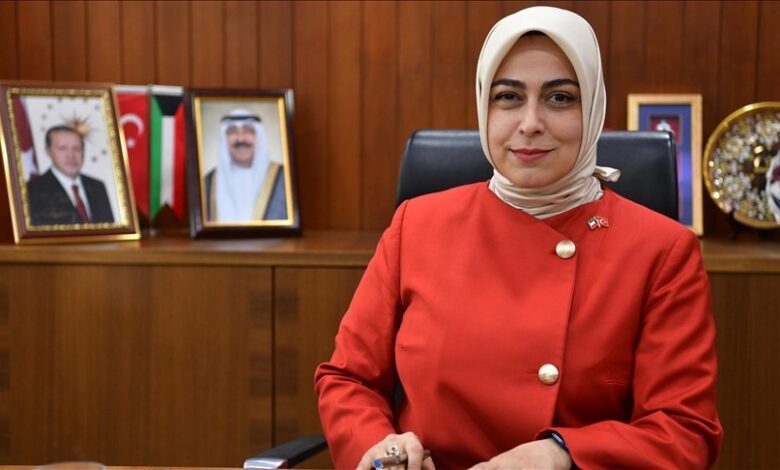
By H.E. Tuba Nur Sönmez
Ambassador Republic of Türkiye
Special to The Times Kuwait
As we prepare to welcome the upcoming Eid al-Adha, we are reminded of the profound role that food plays in our shared traditions. In Turkish culture, Eid is not only a time of spiritual reflection but also a celebration of unity, generosity, and hospitality. Families gather around carefully prepared tables, where recipes passed down through generations are served with pride.
These meals are more than nourishment they are expressions of memory, identity, and community. The act of sharing food, offering sweets to guests, and preparing dishes collectively reflects a timeless truth deeply rooted in our culture: the table is where bonds are strengthened and traditions are kept alive.
It is in this same spirit that we celebrate Turkish Cuisine Week, which returns this year for its fifth edition from 21 to 27 May 2026. This week is particularly special as it is being held under the auspices of our First Lady Her Excellency Emine Erdoğan, in cooperation with the Ministry of Culture and Tourism.
The 2026 theme, “The Heritage Table” (Bir Sofrada Miras), encourages us to look beyond the flavours on our plates and to recognise the deeper cultural meanings embedded in our shared meals. Anatolia has carried the recipe of this heritage across the ages, handing it down from generation to generation with grace and flavor.
As the theme beautifully expresses, “the table is the oldest language of togetherness. Food connects people across time.” This message is particularly meaningful in a region like ours, where hospitality and food are central to social life.
Whether in Türkiye or in Kuwait, the act of gathering around a table transcends differences and creates a universal language of connection. Indeed, many dishes remind us of this shared heritage: kebabs and grilled meats enjoyed in both countries, stuffed vegetables such as dolma and mahshi, sweet pastries like baklava, and semolina-based desserts such as helva.
Even chickpea staples like hummus and falafel reflect a culinary dialogue that has long united our tables. These common flavors are living proof that food is not only nourishment but also a cultural bridge.
This year’s theme presents Turkish cuisine not simply as a collection of dishes, but as a vibrant and living cultural heritage—shaped over centuries by migration, geography, and tradition. It highlights three important dimensions: dialogue, transformation, and archive. The table becomes a space where cultures and generations meet; recipes evolve while preserving their essence; and the kitchen serves as a living archive of history, carrying stories that are rarely written but constantly recreated.
The selected dishes for this year further illustrate these themes. Keşkek, recognised by UNESCO, symbolises collective effort and celebration, often prepared together for large gatherings. Baklava represents the refinement and craftsmanship of Turkish culinary arts, passed meticulously from master to apprentice. Mantı reflects the movement of people and ideas across regions, while dolma embodies the diversity within a shared culinary language. Helva, prepared in both joyful and solemn moments, stands as a symbol of memory and solidarity.
At the same time, Turkish cuisine continues to reflect values that are increasingly relevant in today’s world—particularly sustainability and respect for resources. For generations, our culinary traditions have embraced a zero-waste philosophy, ensuring that no ingredient is wasted.
Dishes such as tirit and papara transform leftovers into nourishing meals, while broths and preserves make full use of available resources. The practices of our nomadic Yörük communities, who cook with resourcefulness and preserve seeds for future generations, offer valuable lessons in sustainable living.
The Aegean region, highlighted in previous years, remains a strong example of this philosophy. Its Mediterranean diet—rich in olive oil, herbs, vegetables, and seafood—demonstrates a harmonious balance between health, flavour, and environmental awareness. Centuries-old olive trees and time-honoured production methods continue to sustain both local communities and culinary traditions.
Turkish Cuisine Week also celebrates the remarkable diversity of our geographically marked products. With over 2,200 registered items and many recognised internationally, Türkiye takes pride in preserving regional specialities such as Gaziantep baklava, Milas olive oil, and Malatya apricots. These products not only offer exceptional taste but also safeguard cultural heritage and biodiversity.
As the Ambassador of Türkiye to Kuwait, I see Turkish Cuisine Week as an important bridge between our cultures. Kuwait and Türkiye share a deep appreciation for hospitality, family values, and the unifying power of food. Through the “Heritage Table,” we invite our friends in Kuwait to experience not just the flavours of Turkish cuisine, but the stories, traditions, and meanings behind them.
In this spirit, as we look ahead to the forthcoming Eid al-Adha, may our tables continue to unite hearts, and may this blessed occasion be welcomed with warmth, generosity, and the quiet elegance of shared joy. It is about sharing, remembering, and building relationships that endure across time and place. In celebrating Turkish Cuisine Week, we celebrate not only our past but also the shared future we continue to build one table at a time.