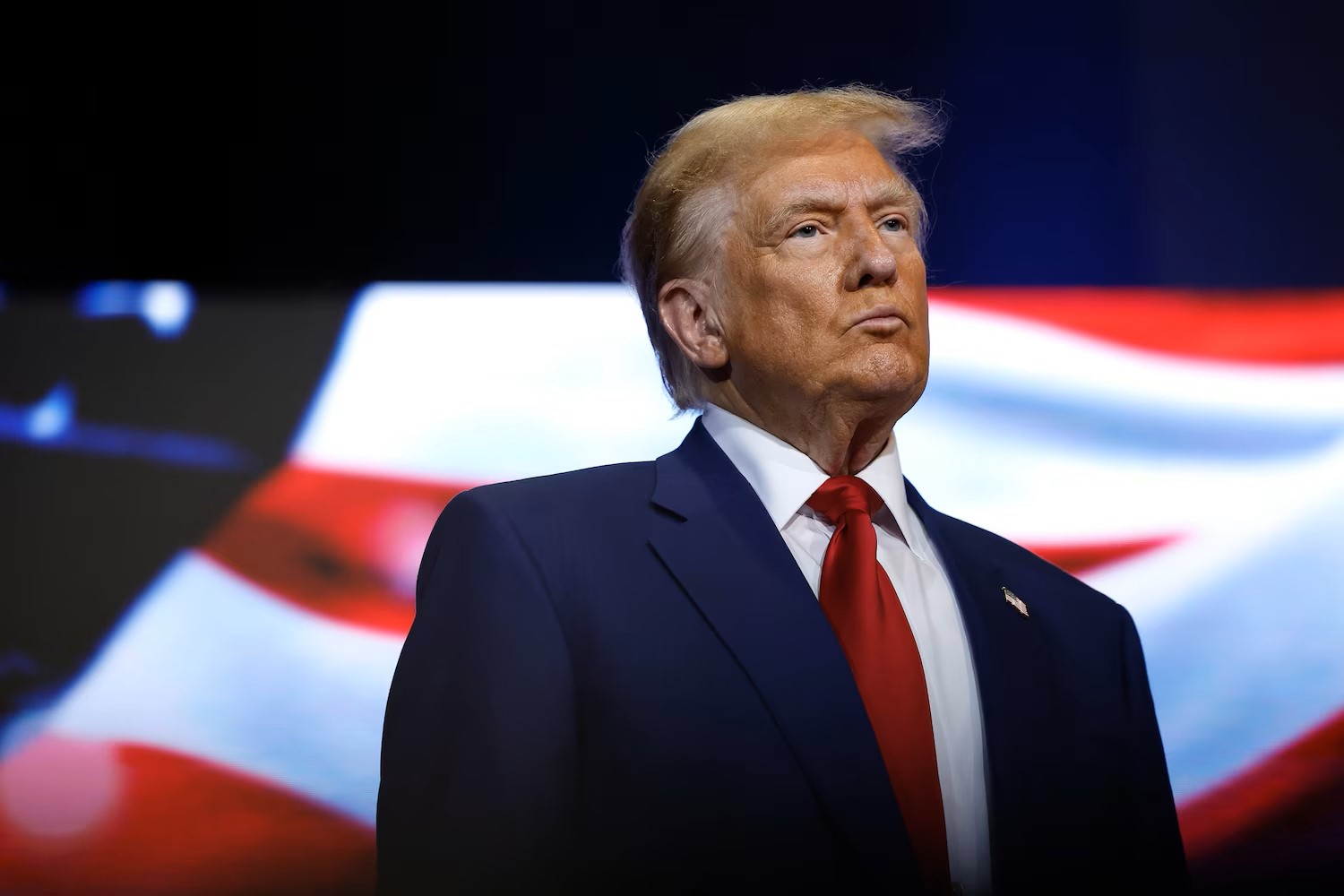
US President Donald Trump said the airstrikes in the southern suburbs of Beirut “should not have happened”, stressing that “we are so close to a Peace Deal with Iran”.
His remarks underscored Washington’s concern that the latest escalation could derail progress in the talks.
According to Axios reporter Barak Ravid, citing a brief interview with US President Donald Trump, the president said a US–Iran agreement aimed at ending the conflict could still go ahead as planned on Sunday. Trump reportedly voiced frustration over Israel’s strike on Beirut and said he had directly conveyed his concerns to Israeli Prime Minister Benjamin Netanyahu.
US Secretary of Defense Pete Hegseth also moved to reassure that the Beirut strike would not derail ongoing diplomatic efforts to finalise a preliminary memorandum of understanding between Washington and Tehran. Speaking on CBS News’ “Face the Nation,” he said, “From all I know, we are on track. It’s not a matter of if, it’s a matter of when.”
Hegseth acknowledged continuing regional tensions involving Hezbollah and northern Israel, stressing that Washington was closely monitoring developments. He urged Iran to use its influence to restrain Hezbollah, saying the US expected Tehran to take a more active role in preventing further escalation.
Outlining the contours of a potential deal, Hegseth said Iran’s nuclear material would need to be destroyed, removed, or downblended under strict international inspection and oversight. He added that the United States would retain a military option if Tehran failed to comply, while reaffirming confidence that negotiations remained on track despite rising regional tensions.
The latest attacks targeted the Dahiyeh district in southern Beirut, an area long associated with the Iran-backed Hezbollah movement. Israel has not publicly detailed the specific target in the most recent strikes, but has previously said such operations are aimed at preventing attacks against its territory.
Iran’s top negotiator, Mohammad Bagher Ghalibaf, strongly criticised the renewed Israeli strikes, arguing that the United States either “lacks the will to fulfil its commitments or the ability to do so” in relation to regional de-escalation efforts tied to the ceasefire understanding.
His comments reflect growing Iranian frustration over the continued violence, which Tehran views as undermining ongoing diplomatic efforts linked to broader regional and nuclear negotiations, Al Jazeera reports.
Meanwhile, Iranian media reports suggest Tehran has “not yet taken a final decision” on a proposed framework agreement. According to the reports, Qatari mediators have travelled to Iran in an effort to help bridge remaining gaps and push negotiations toward a conclusion.
The renewed Israeli strikes, combined with uncertain diplomatic signals, highlight the fragility of the current ceasefire arrangement and the broader risk of regional spillover as negotiations continue behind closed doors.