Iran could be ‘blown to kingdom come’ if negotiations collapse; Iran says Trump’s claims ‘incomplete and inconsistent with reality’
Iran today (Sunday) reiterated that it would continue to maintain control over the strategically vital Strait of Hormuz, pushing back against claims by US President Donald Trump that a draft agreement between Washington and Tehran would include reopening the key global shipping route.
Iranian state media dismissed Trump’s assertion that the agreement had been “largely negotiated,” describing the statement as “incomplete and inconsistent with reality.”
Earlier, Iranian Foreign Ministry spokesperson Esmail Baqaei said the current proposal should only be viewed as a “framework agreement,” stressing that an additional 30 to 60 days of negotiations would be needed before any final settlement could be reached.
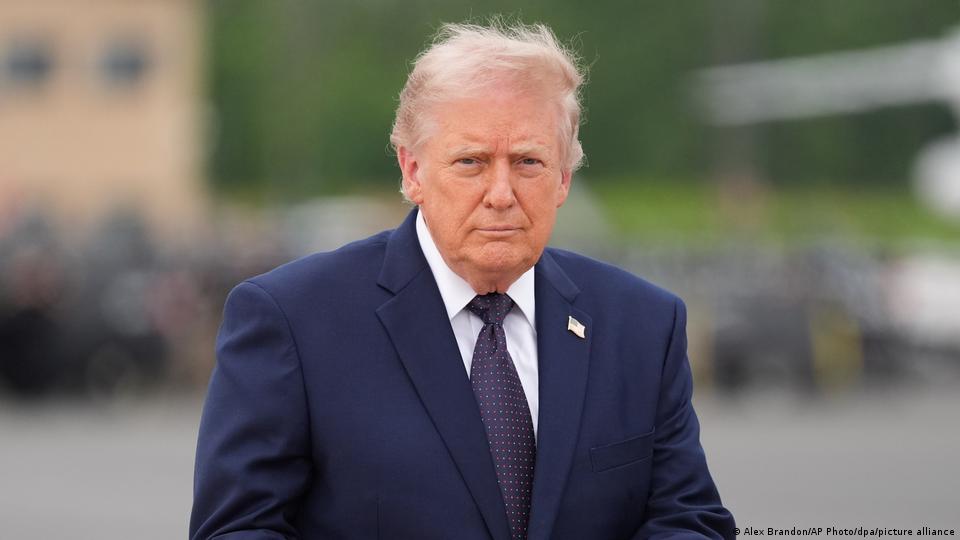
In a post on his Truth Social platform, Trump said the proposed deal included reopening the Strait of Hormuz and claimed negotiations were nearing completion.
“An agreement has been largely negotiated, subject to finalization between the United States of America, the Islamic Republic of Iran, and the various other countries,” Trump wrote.
The US president also revealed that he had held discussions with leaders from Saudi Arabia, the UAE, Qatar, Egypt, Jordan, Bahrain, Turkey and Pakistan, in addition to separate talks with Israeli Prime Minister Benjamin Netanyahu.
Trump, however, did not disclose details of the proposed agreement or provide a timeline for its finalization.
His optimistic remarks came only hours after he told Axios that the chances of securing a deal remained a “solid 50/50,” while warning that Iran could be “blown to kingdom come” if negotiations collapse.
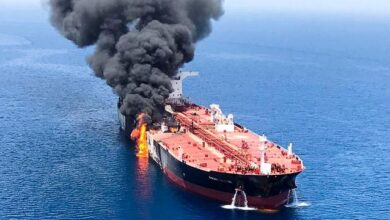
The Strait of Hormuz, one of the world’s most critical maritime chokepoints, previously handled nearly one-fifth of global oil and gas supplies before the conflict erupted.
Iran effectively shut down the waterway shortly after joint military operations by the United States and Israel against Iran began in late February.
Since then, Tehran and Washington have imposed reciprocal naval blockades in the area, sharply escalating regional tensions.
The prolonged disruption has rattled global energy markets, triggering a sharp surge in oil prices and sending stock markets into decline amid fears of wider instability in the Gulf region.