Sugar cravings: What your body may be telling you and how to control them
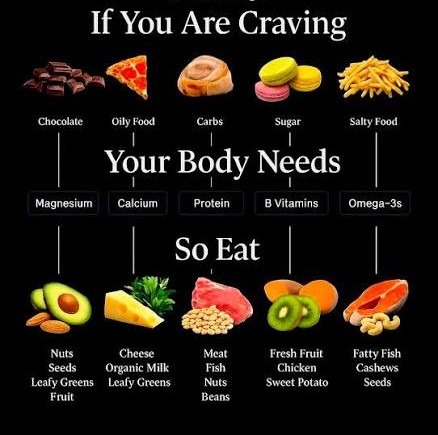
- Health Experts explain the causes and how to break the cycle, say sugar cravings are not just about willpower: Health reasons behind the urge may be poor sleep, stress, inadequate protein, emotional changes and certain health conditions can all contribute to recurring cravings for sweets, while balanced meals and simple lifestyle changes may help break the cycle.
- Poor sleep, stress, inadequate protein, emotional changes and certain health conditions can all contribute to recurring cravings for sweets, while balanced meals and simple lifestyle changes may help break the cycle.
A sudden craving for chocolate, pastries or other sugary foods can feel difficult to resist, but frequent urges for sweets are not necessarily a matter of weak willpower. Experts say recurring sugar cravings can be influenced by sleep, stress, diet, emotional wellbeing, blood sugar regulation and, in some cases, underlying health conditions.
Sugar provides a rapid source of energy and can stimulate the release of dopamine, a neurotransmitter associated with pleasure and motivation. The immediate sense of satisfaction, however, can be short-lived. As the effect fades, some people may find themselves reaching for another sugary snack, creating a repeated cycle of craving and consumption.
Occasional enjoyment of sweets is generally not a cause for concern. The greater health concern arises when sugary foods become a dominant part of the daily diet. Excessive sugar intake over time can contribute to weight gain and increase the risk of insulin resistance, prediabetes, type 2 diabetes, fatty liver disease, cardiovascular problems and metabolic disorders.
For older adults, the issue can be particularly important when sugary foods replace meals containing adequate protein. Age-related muscle loss can already make it more difficult to maintain healthy glucose metabolism, while insufficient protein intake may undermine satiety and muscle maintenance.
Excessive sugar intake may also affect the body’s proteins, including collagen, through a process known as glycation. This can contribute to changes associated with skin and blood-vessel aging and forms part of the broader metabolic effects linked with chronically high sugar consumption.
Why do sugar cravings become so intense?
Experts emphasize that people should not blame themselves when strong cravings occur. A persistent desire for sweets may reflect biological, nutritional, hormonal or emotional factors rather than simply a preference for sugary foods.
One factor can be the gradual loss of muscle mass with age. As muscle plays an important role in glucose use, changes in muscle mass and insulin sensitivity can affect blood sugar regulation and potentially influence appetite.
Diet also matters. Meals that are low in protein and fiber may not provide lasting satiety, making it easier to become hungry again and seek quick sources of energy such as sweets. Including protein and fiber in meals can help people feel full for longer.
Changes in mood and emotional wellbeing can also influence eating patterns. Stress, loneliness, major life changes and emotional distress may lead some people to use sugary foods as a source of temporary comfort. The pleasure associated with eating sweets can provide short-term relief, but it does not address the underlying emotional trigger.
Sleep is another important factor. Insufficient sleep can affect appetite regulation and is associated with increased hunger and cravings for energy-dense foods. Improving sleep quality may therefore be an important part of managing persistent cravings.
Certain medical conditions and medications can also affect appetite or eating patterns. Thyroid disorders and some medicines, including certain beta-blockers and antidepressants, may influence appetite. Nutritional deficiencies, such as iron deficiency, can also affect appetite in some people, although a direct cause-and-effect relationship between a particular deficiency and sugar cravings should not be assumed.
How to reduce sugar cravings
A balanced eating pattern can help reduce the frequency and intensity of cravings. Starting the day with a protein-rich breakfast is one practical approach. Eggs, Greek yogurt, fresh cheese, turkey, chicken, fish, tofu and other protein sources can help improve satiety.
Those who prefer a sweet breakfast can still build a balanced meal. Greek yogurt with chia seeds, blueberries and almonds, for example, combines protein, fiber and healthy fats rather than relying primarily on refined sugar.
Protein should also feature at lunch and dinner. A portion of fish, seafood, eggs, poultry or lean meat, combined with vegetables and an appropriate source of carbohydrates, can provide a more satisfying and balanced meal.
There is also no need to eliminate carbohydrates completely. Nutrient-rich, lower-glycemic carbohydrate sources such as lentils, chickpeas, quinoa, buckwheat, brown rice and whole-grain bread can form part of a healthy diet. Combining carbohydrates with protein and vegetables can help slow digestion and support better satiety.
Physical activity after eating may also help. A 10- to 15-minute walk following a meal is a simple habit that can help moderate the rise in blood glucose after eating and may reduce the desire for sweets later.
Oral health can play a small but useful role as well. Brushing the teeth and tongue after meals supports oral hygiene and may discourage some people from continuing to snack. Claims that specific gut infections or intestinal bacteria directly cause sugar cravings, however, remain insufficiently supported by evidence.
Understanding emotional triggers is equally important. If the urge to eat sweets appears during periods of stress, loneliness or boredom rather than genuine hunger, identifying the emotion can help break the automatic connection between feelings and food. A walk, gardening, reading, painting, listening to music or talking to someone close can provide alternative ways to manage stress.
For people who regularly become hungry between meals, a protein- and fiber-rich snack may be more effective than reaching immediately for sweets. Greek yogurt with nuts, vegetables with hummus, or cheese with a small serving of nuts can provide greater satiety.
When should cravings be checked?
Persistent or unusually strong sugar cravings should not automatically be attributed to a nutritional deficiency. If cravings are accompanied by other symptoms or represent a significant change in eating patterns, a medical evaluation may be appropriate.
A doctor can consider the person’s symptoms, diet, medications and medical history and determine whether testing is necessary. Depending on the circumstances, conditions such as thyroid disorders, iron deficiency or vitamin B12 deficiency may need to be assessed.
The key is to view recurring sugar cravings as information rather than a failure of self-control. Improving sleep, eating balanced meals, increasing protein and fiber, staying active and addressing emotional triggers can all contribute to healthier eating habits and better long-term health.