Safe-haven rush drives sharp spike in gold and silver demand
Boom in bullion, silver leads 1000 percent surge in Kuwait’s precious metals market; records tenfold jump in trading
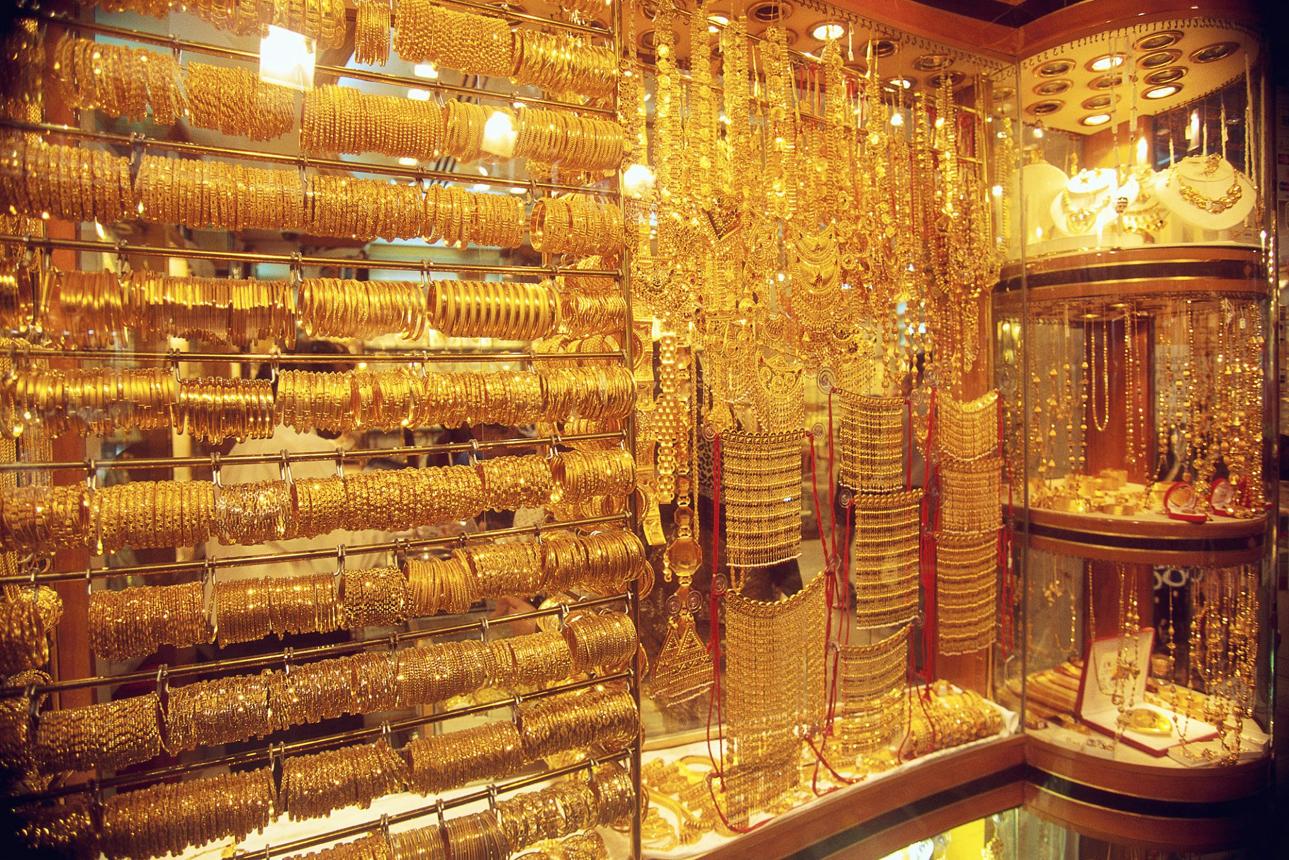
Kuwait’s precious metals market witnessed an exceptional surge at the start of 2026, with total volumes stamped by the Precious Metals Department at the Ministry of Commerce jumping nearly tenfold during the first two months of the year.
Official data showed that marked precious metals reached 70.18 tons in January and February 2026, compared to just 6.4 tons during the same period in 2025, reflecting an increase of almost 1,000 percent. Revenues from stamping fees also climbed sharply to 996,070 dinars, up from 304,600 dinars, marking a rise of 227 percent.
The figures highlight strong momentum in the precious metals and gemstones market, driven largely by heightened demand ahead of escalating regional tensions.
Monthly data revealed that around 29.4 tons were stamped in January, generating 412,100 dinars, while February recorded a higher 40.77 tons with fees reaching 583,900 dinars. A total of 22 categories of metals and jewelry were processed.
Silver dominated the market, accounting for 63.08 tons, or roughly 90.5 percent of total volumes, including 26.55 tons in January and 36.53 tons in February. Smaller quantities included silver inlaid with diamonds and other precious stones, further contributing to revenues.
Gold represented approximately 8.7 percent of total stamped metals, with volumes reaching 6.13 tons and generating 328,100 dinars. This included standard gold, gold set with gemstones, and diamond-studded pieces.
The department also reported the stamping of 289 kilograms of luxury watches, alongside accessories and plated items, reflecting continued consumer appetite for high-end goods. Meanwhile, the number of plated accessories rose by 69 percent year-on-year, while 3,730 rosaries made of precious stones were processed.
The sharp increase in activity coincided with a surge in demand for bullion and jewelry ahead of the outbreak of regional conflict, as investors and consumers turned to precious metals, particularly gold, as a safe-haven asset.