The Indian rupee crashed to an all-time low of ₹96.07 against the US dollar, cementing its position as Asia’s worst-performing currency. This historic depreciation stems from a surge in global crude oil prices, aggressive foreign capital outflows, and escalating geopolitical tensions in the Middle East.
A key driver of the weakness has been continued selling by foreign institutional investors, who have pulled an estimated ₹1.8–2 lakh crore from Indian equities. This capital exit has reduced dollar inflows into local markets, increasing demand-supply imbalances in forex trading and weighing on the rupee.
At the global level, elevated US interest rates and stronger US Treasury yields have made dollar-denominated assets more attractive, encouraging investors to shift capital away from emerging markets. The resulting rise in the US Dollar Index has further intensified pressure on Asian currencies, including the rupee.
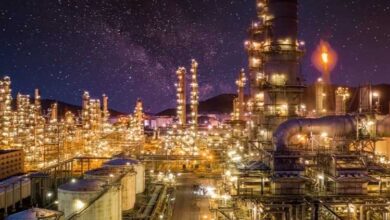
Adding to the strain, rising crude oil prices, driven by geopolitical tensions, have increased India’s import bill. As one of the world’s largest oil importers, India must pay for crude in US dollars, increasing demand for the greenback and further weakening the domestic currency.
Shifts in global investment trends have also played a role, with capital increasingly flowing toward semiconductor, artificial intelligence, and other high-growth sectors in developed markets, contributing to sustained foreign selling in Indian equities.
Despite these pressures, Indian financial markets have shown relative resilience. Strong participation from domestic institutional investors and systematic investment plans (SIPs) has helped absorb part of the foreign outflows, limiting broader market disruption.
Meanwhile, the Reserve Bank of India has intermittently intervened in the foreign exchange market by selling dollars from its reserves to curb excessive volatility and smooth currency fluctuations.
The outlook for the rupee remains closely tied to global interest rate expectations, crude oil trends, and the trajectory of foreign portfolio flows in the coming months.