














NASA launches robotic mission to rescue aging Space Telescope

NASA on Friday launched a pioneering robotic mission aimed at preventing one of its aging space telescopes from burning up in Earth’s atmosphere, in what officials describe as an unprecedented satellite rescue operation.
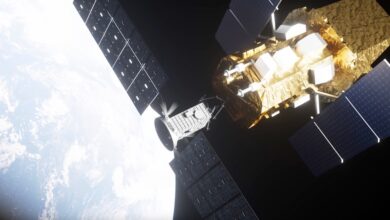
The $30 million mission seeks to extend the life of the Swift space telescope, which has been gradually losing altitude and moving closer to Earth. If successful, the effort could open the door for future missions designed to repair, reposition, or prolong the operational life of satellites already in orbit.

The robotic spacecraft, developed by American startup company Catalyst, was launched aboard a Pegasus rocket released from an aircraft over the Pacific Ocean. The launch took place at 8:36 GMT after earlier delays caused by weather conditions and technical issues.
Once the spacecraft reaches an orbit near Swift, it will deploy its solar panels and begin a series of technical checks before attempting the highly complex task of locating, approaching, and docking with the telescope using three robotic arms.
The docking process and orbital maneuvers are expected to take several weeks. After securing the telescope, the robotic spacecraft will attempt to push Swift to a higher orbit approximately 300 kilometers above Earth, helping restore it closer to its original operating position.
NASA officials said the mission represents a major technological milestone due to the complexity of servicing an existing satellite in space.
The Swift telescope, valued at around $250 million, has played a key role in studying gamma-ray bursts — among the most powerful explosions known in the universe.
NASA’s Director of Astrophysics, Sean Domagal-Goldman, described the mission as containing “many firsts,” expressing appreciation that the agency was willing to undertake such an ambitious operation.