Kuwait-China strategic projects advance as both sides expand economic cooperation
- Mubarak Al-Kabeer Port under construction, wastewater treatment project officially inaugurated; smart infrastructure, renewable energy and technology identified as key areas for future partnership
Kuwait-China strategic cooperation projects are progressing, with both countries working to advance major infrastructure developments and expand collaboration across key economic sectors, Chinese Ambassador to Kuwait H.E. Yang Xin said on Tuesday.
The ambassador said the Mubarak Al-Kabeer Port project had entered the construction phase, while the official opening ceremony of the wastewater treatment project had recently been held. The two sides are also working towards launching the third and fourth strategic projects in the near future, reflecting the implementation of decisions taken by the leadership of both countries.
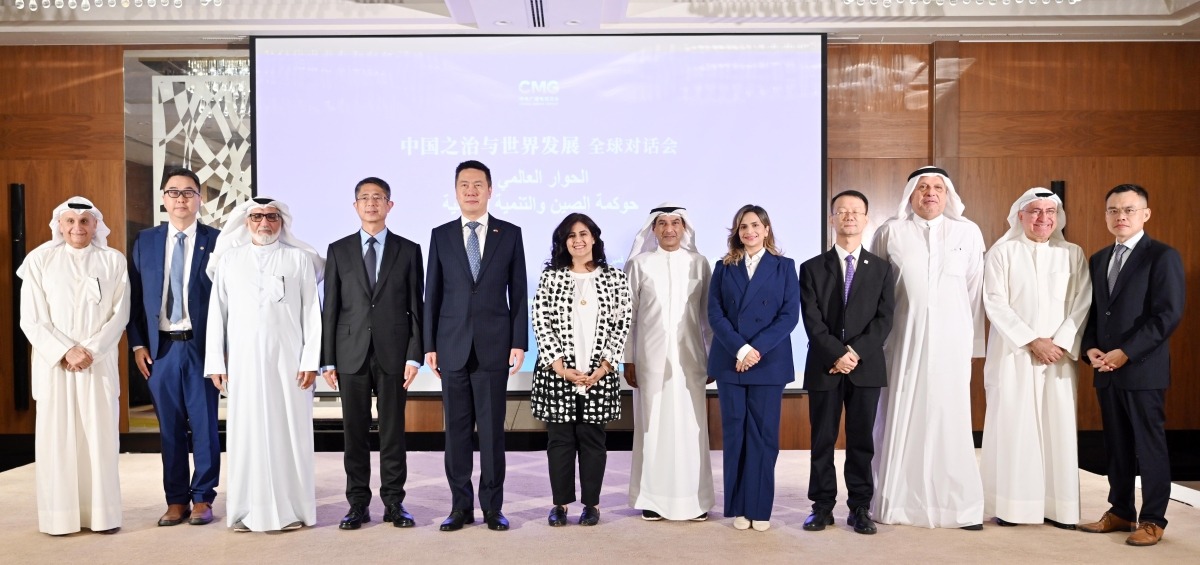
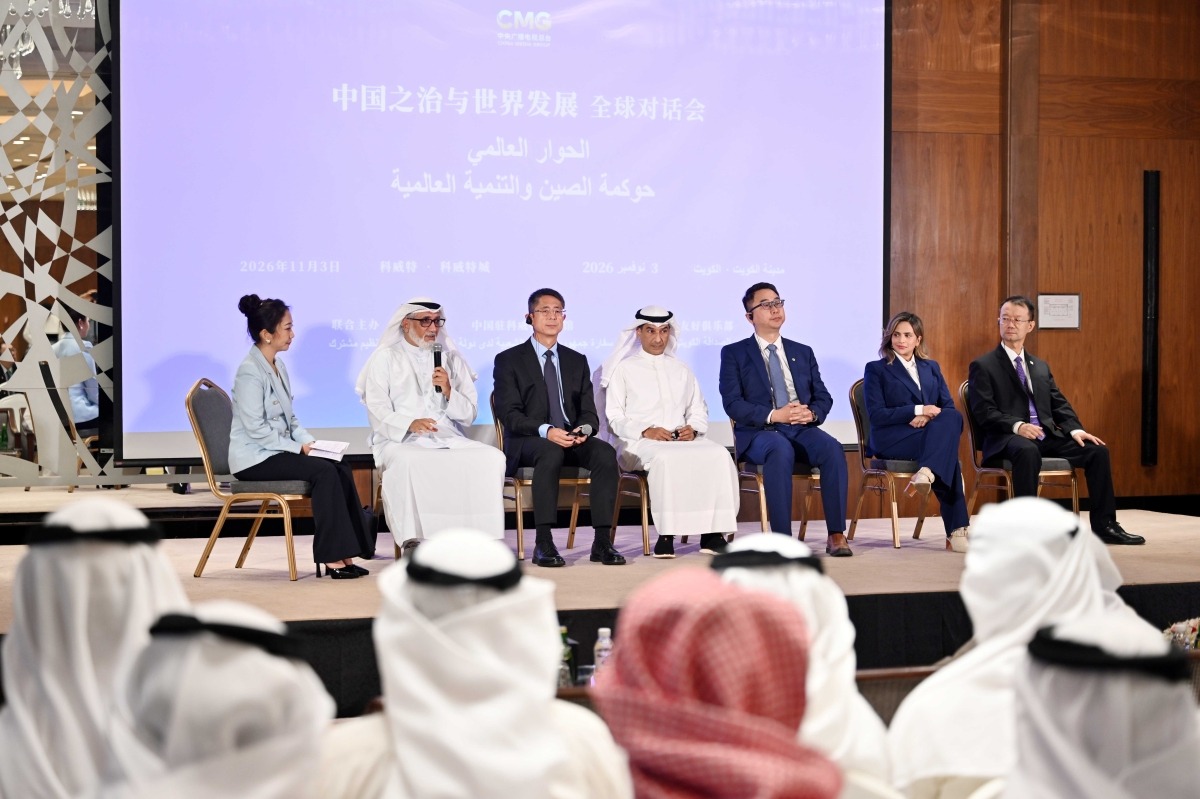
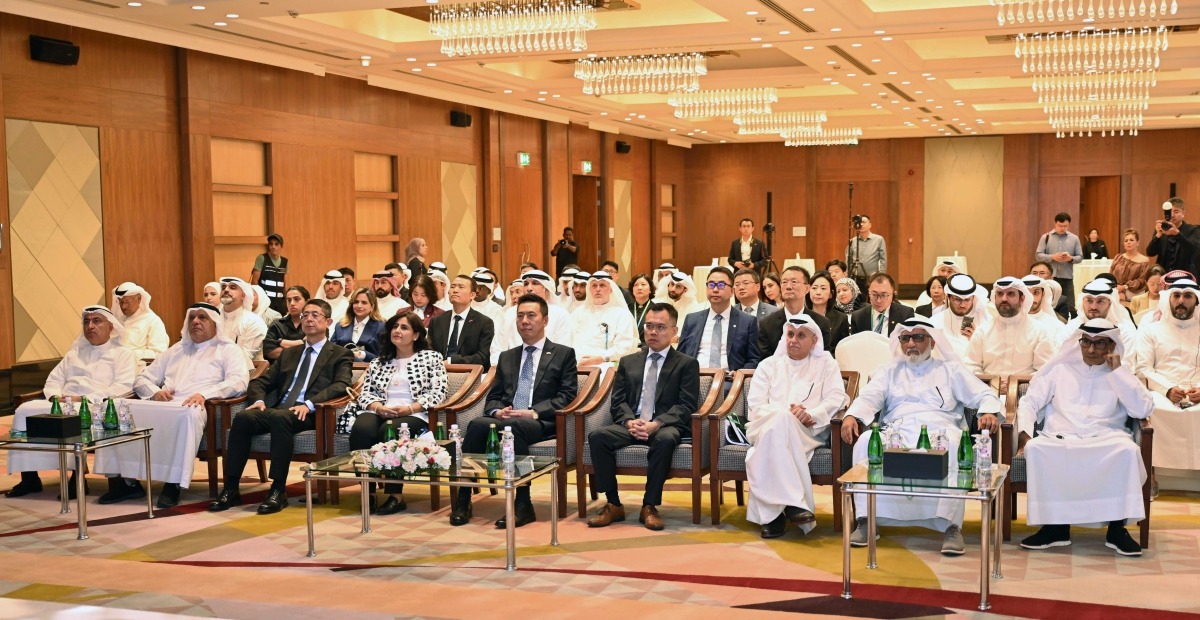
Speaking on the sidelines of a preparatory meeting for a specialized session on “China and International Relations” at the Crowne Plaza Hotel, Ambassador Yang said the governments, relevant authorities and companies of both countries were making concerted efforts to implement the projects.
He noted, however, that regional developments had affected construction schedules, particularly delays involving the availability of building materials and construction vessels waiting outside the Strait of Hormuz, requiring adjustments to implementation plans.
The China envoy stressed that both sides remained committed to completing the projects as quickly as possible, with regular meetings and coordination between Kuwaiti and Chinese teams to monitor progress and address implementation challenges.
Four priority areas for cooperation
Ambassador Yang identified four key areas for expanding the bilateral partnership: smart cities and infrastructure, renewable energy and sustainability, technology and digital transformation, and trade and investment.
He said the Silk City and Mubarak Al-Kabeer Port projects offered opportunities to draw on China’s experience in developing smart cities, economic zones, transportation networks and logistics services. Further potential areas included solar and wind energy, artificial intelligence, fifth-generation telecommunications networks and cloud computing.
He also highlighted opportunities for cooperation in cybersecurity and the protection of critical infrastructure, including ports and oil facilities, through smart monitoring and early-warning systems.
Chinese development model draws academic interest
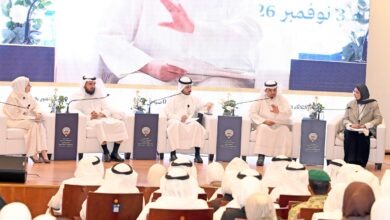
The preparatory meeting brought together academics and specialists to examine China’s experience in governance, institutional development, economic and political transformation, and its implications for the international system. The event was attended by Sheikha Dr Anoud Al-Duaij.
Sheikha Dr Anoud said China’s experience merited closer study in view of its development, economic and institutional transformation. She identified strong institutions, a clear strategic vision and a balance between development and stability as important factors behind the country’s progress.
She also highlighted China’s contribution of around 30 percent to global economic growth in recent years, as well as its influence on international trade, investment and the Belt and Road Initiative.
She stressed that countries could benefit from international development experiences while taking into account their own social and institutional characteristics rather than directly replicating foreign models.
Dr Anwar Al-Shuraian, Professor of Economics at Kuwait University, said Kuwait needed an economic model suited to its political and social structure while drawing lessons from China’s approach to combining the role of the state with market mechanisms.
He said the Chinese experience offered useful lessons in strategic planning, governance, productivity, innovation and performance-based accountability. Although Kuwait possessed significant assets, he noted that economic policies needed to be reviewed and the role of the private sector further developed.
Al-Shuraian stressed that adopting China’s model was not the objective. Instead, Kuwait could benefit from its successful practices in ways suited to local circumstances, with a clear vision, effective management, periodic policy reviews and the ability to correct course forming the foundations of sustainable development.
Promoting international dialogue
In a presentation on “Chinese Governance and Global Development,” Li Wei Lin, Deputy Director of the China Media Group’s Middle East Office, underlined the importance of introducing China’s development experience and encouraging international dialogue and the exchange of expertise.
He highlighted China Media Group’s role in communicating the country’s experience through its international platforms, including CGTN, which broadcasts in 85 languages, and its network of 192 overseas media offices and sites.
The meeting also examined governance practices, institutional reform, anti-corruption measures, oversight and accountability, as well as the importance of developing qualified personnel and strengthening institutions to meet future challenges.
On regional developments, Ambassador Yang said China had pursued diplomatic efforts since February 28 to reduce tensions and bring the conflict to an end. He referred to Chinese President Xi Jinping’s discussions with the Sultan of Oman on bilateral relations and regional developments, during which Beijing presented its views and proposals aimed at strengthening regional security and stability.
The ambassador said China’s development priorities were closely aligned with Kuwait Vision 2035, providing opportunities to deepen economic cooperation, particularly as the two countries mark the 55th anniversary of the establishment of diplomatic relations.