Kuwait backs US-Iran MoU, calls for lasting peace in region
Kuwait has welcomed the memorandum of understanding reached between the United States and Iran, describing it as an important step toward reducing tensions and strengthening stability in the region. The agreement includes an immediate and permanent cessation of military operations, guarantees freedom of navigation in the Strait of Hormuz, and addresses several outstanding regional issues.
In a statement, the Ministry of Foreign Affairs praised the mediation efforts led by Pakistan and Qatar, along with other friendly and brotherly nations, for helping bridge differences and create conditions that enabled the agreement to be reached. Kuwait reiterated its support for resolving disputes through peaceful means in accordance with international law and the United Nations Charter.
The ministry expressed hope that the understanding would pave the way for broader solutions based on principles of good neighborliness, including mutual respect, confidence-building, non-interference in internal affairs, rejection of force or threats, and ending support for proxy activities. Kuwait said these principles are essential for achieving long-term regional and international security and ensuring continued freedom of navigation in the Strait of Hormuz.
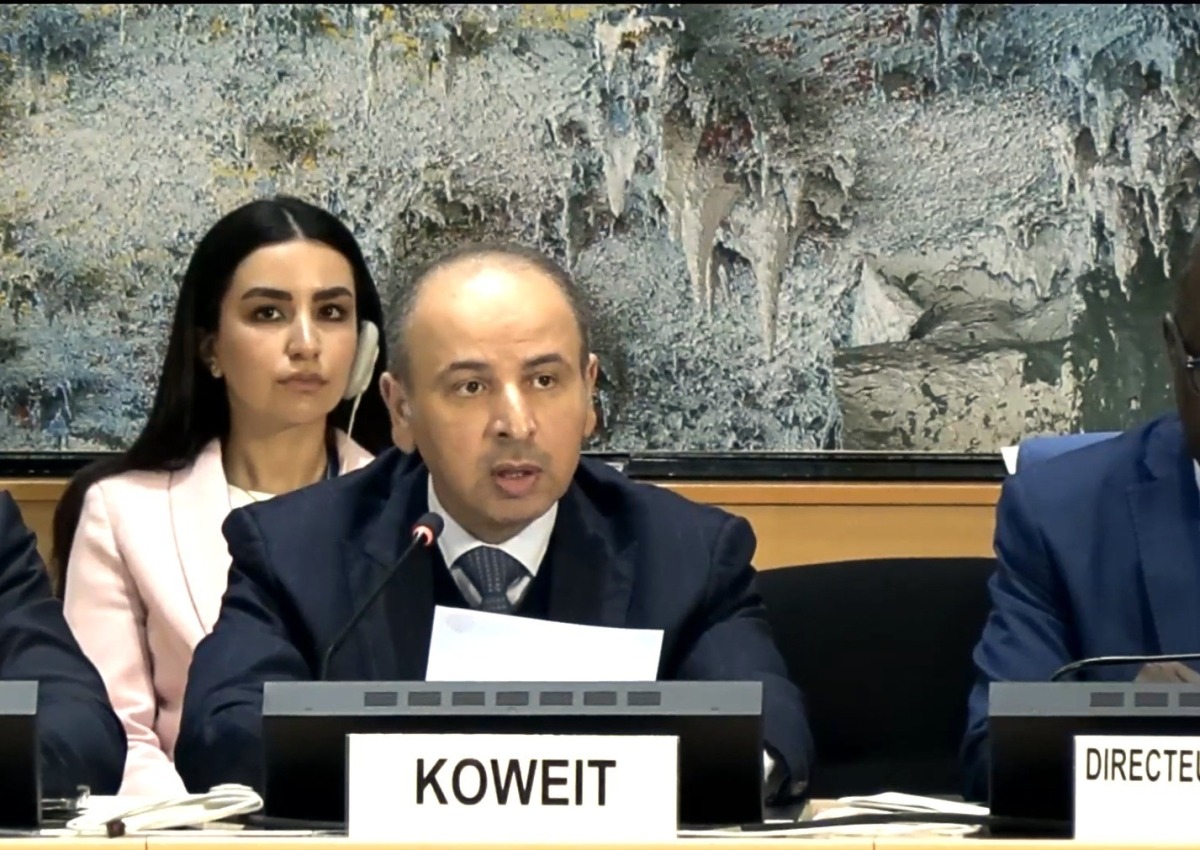
Kuwait’s Permanent Representative to the United Nations in Geneva, Ambassador Nasser Al-Hain, also welcomed the agreement during the 62nd session of the Human Rights Council, saying Kuwait hopes the deal will become a foundation for comprehensive regional security. He stressed the importance of Iran translating the agreement into practical commitments by refraining from threatening neighboring countries or carrying out actions that destabilize the region.
Al-Hain underlined the strategic importance of the Strait of Hormuz, describing it as a critical artery for global trade and the international economy. He warned that any threat to navigation or attempts to alter the status of the waterway would endanger international supply chains and global economic security, calling for a firm international response to protect maritime routes and uphold international law.
Kuwait also renewed its condemnation of repeated attacks targeting Gulf states and Jordan, stating that the latest incident involved 24 drones directed toward Kuwaiti territory. According to Al-Hain, since February 29, Kuwait has detected around 893 drones, 379 ballistic missiles and 15 cruise missiles linked to what he described as Iranian aggression. He said such actions violate international law, undermine regional stability and contradict efforts aimed at de-escalation and confidence-building.
The ambassador further emphasized Kuwait’s right to legitimate self-defense under Article 51 of the UN Charter, while reaffirming the country’s commitment to diplomacy and peaceful dialogue as the best path toward lasting peace and prosperity. Kuwait called for intensified diplomatic efforts, respect for national sovereignty and non-interference in internal affairs to ensure a secure and stable future for the peoples of the region.