In what is seen as major policy shift, Tokyo opens door to global weapons sales in defense overhaul; moves from pacifism to power projection, Japan redefines its defense export strategy
In a landmark policy shift, the Japanese government has announced a relaxation of its long-standing restrictions on arms exports, marking a significant departure from decades of post-war defense restraint and effectively opening the door to the international sale of a broader range of military equipment.
Government spokesperson Minoru Kihara confirmed that the revised framework, based on updated rules governing the transfer of defense equipment and technology, now allows, in principle, the export of a wide array of finished defense products.
He described the move as a partial revision of Japan’s established principles on defense transfers, significantly expanding what can be sold overseas.
Previously, Japan’s arms export policy was tightly restricted, limiting overseas transfers largely to non-combat categories such as search and rescue, transport, surveillance, and mine countermeasure systems.
Under the new policy direction, however, all categories of defense equipment may now be eligible for export in principle, representing one of the most substantial shifts in Japan’s security posture in recent years.
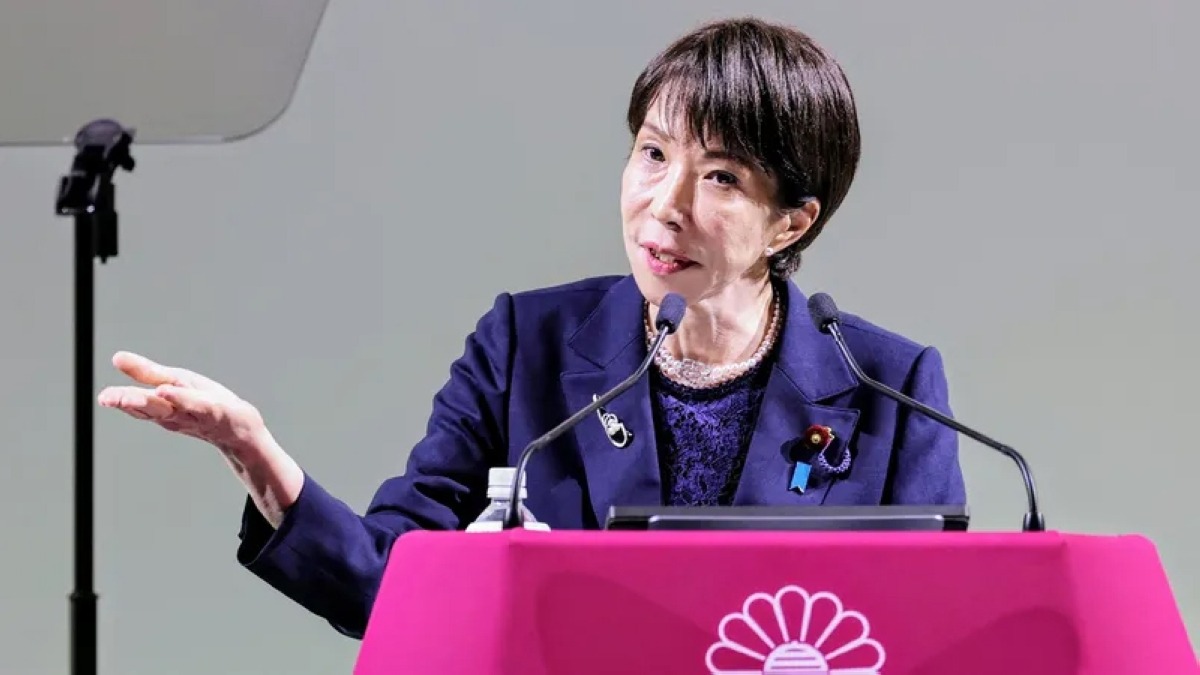
Prime Minister Sanae Takaichi defended the decision, stating that Japan must ease restrictions on defense exports both to strengthen national security and to support the domestic defense industry as a driver of economic growth.
She emphasized that the reform is intended to position Japan more firmly within the global defense supply chain while reinforcing strategic partnerships amid rising regional instability.
Supporters of the policy argue that the change will deepen Japan’s diplomatic, defense, and economic ties with allied nations and enhance its role in international security cooperation.
However, the decision has sparked concern domestically, where critics warn it could erode Japan’s long-standing pacifist identity enshrined after World War II.
Opponents argue that expanding arms exports marks a significant departure from the country’s post-war principles and could alter its international image.
The move signals a new era in Japan’s defense policy, one that balances economic ambition, strategic necessity, and growing geopolitical pressures in an increasingly tense global security environment.