The Kuwait Chamber of Commerce and Industry has called for a clear and credible Arab economic vision to drive structural transformation, warning that without one, Arab economies will struggle to move beyond the middle-income bracket and create decent, sustainable jobs.
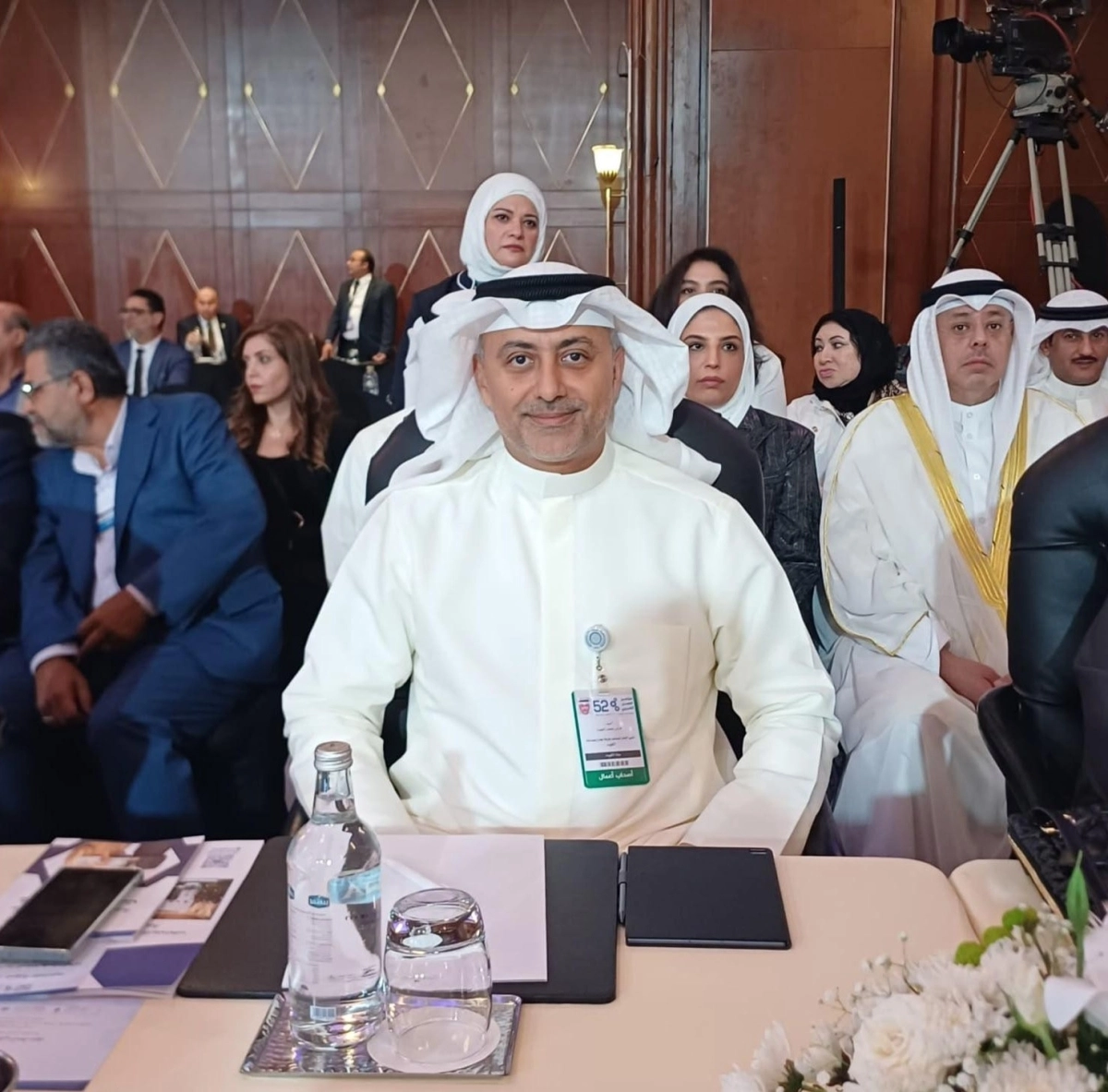
Firas Al-Awda, Assistant Director General of the Kuwait Chamber of Commerce and Industry, told KUNA on the sidelines of the 52nd session of the Arab Labor Conference in Cairo that economic growth must translate into stronger employment, lower unemployment and better living standards.
Al-Awda said the region faces a growing gap between economic growth and social development, with current growth rates failing to produce enough progress in reducing unemployment and poverty. He warned that the challenge is becoming more urgent as rapid technological change threatens to eliminate many routine jobs in the years ahead.
Arab economies, he said, need economic policies capable of preparing workers for changing labour market requirements rather than relying on traditional sources of employment. The KCCI also highlighted the importance of strengthening small and medium enterprises, describing them as a key engine for job creation.
Al-Awda cautioned against allowing the growing focus on digital start-ups to overshadow traditional SMEs, which continue to provide significant employment opportunities. He noted that many technology-driven companies depend heavily on automation and digital solutions, which can allow businesses to expand while employing fewer workers. This makes broader support for job-intensive businesses increasingly important.
The Chamber called for support for entrepreneurship and innovation across all sectors, including digital, industrial and environmental activities, rather than limiting entrepreneurship policies to technology start-ups. Climate change and its impact on the workplace are also among the issues being discussed at the conference.
Al-Awda stressed the need for Arab countries to move towards lower-emission economies while maintaining energy security, reliable supply and affordable costs. He said the transition to a low-emission economy should not be interpreted as an immediate withdrawal from fossil fuels.
Instead, Al-Awda advocated reducing emissions intensity and improving energy efficiency while maintaining a diversified energy mix that includes both conventional and renewable sources. He also warned that imposing strict environmental requirements unilaterally could weaken the competitiveness of national industries if competing countries or economic blocs operate under less demanding standards.
The 52nd Arab Labor Conference, which began on Sunday and runs until September 20, is bringing together Arab countries to exchange experiences and address common labour-market challenges, including employment generation, unemployment reduction and the impact of technological and environmental changes on jobs.
For Arab economies, the central challenge is increasingly clear: economic growth alone will not be enough. Without structural reforms, stronger private-sector employment and investment in skills, growth may fail to create the quality and number of jobs needed for a rapidly changing workforce.