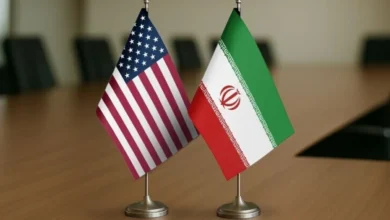
Iran said it is prepared to withstand expanded US economic sanctions after Washington unveiled what it called a major financial offensive aimed at cutting Tehran off from global revenue and financial networks.
Iranian Economy Minister Ali Madanizadeh said Tehran had anticipated the measures and had a two-year plan to manage their impact. He said Iran remained confident it could continue trading with other countries and predicted that China, Russia and other nations would resist the new US measures.
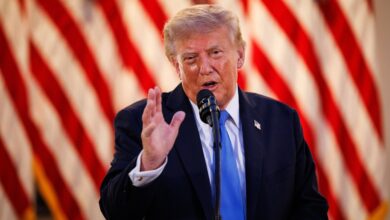
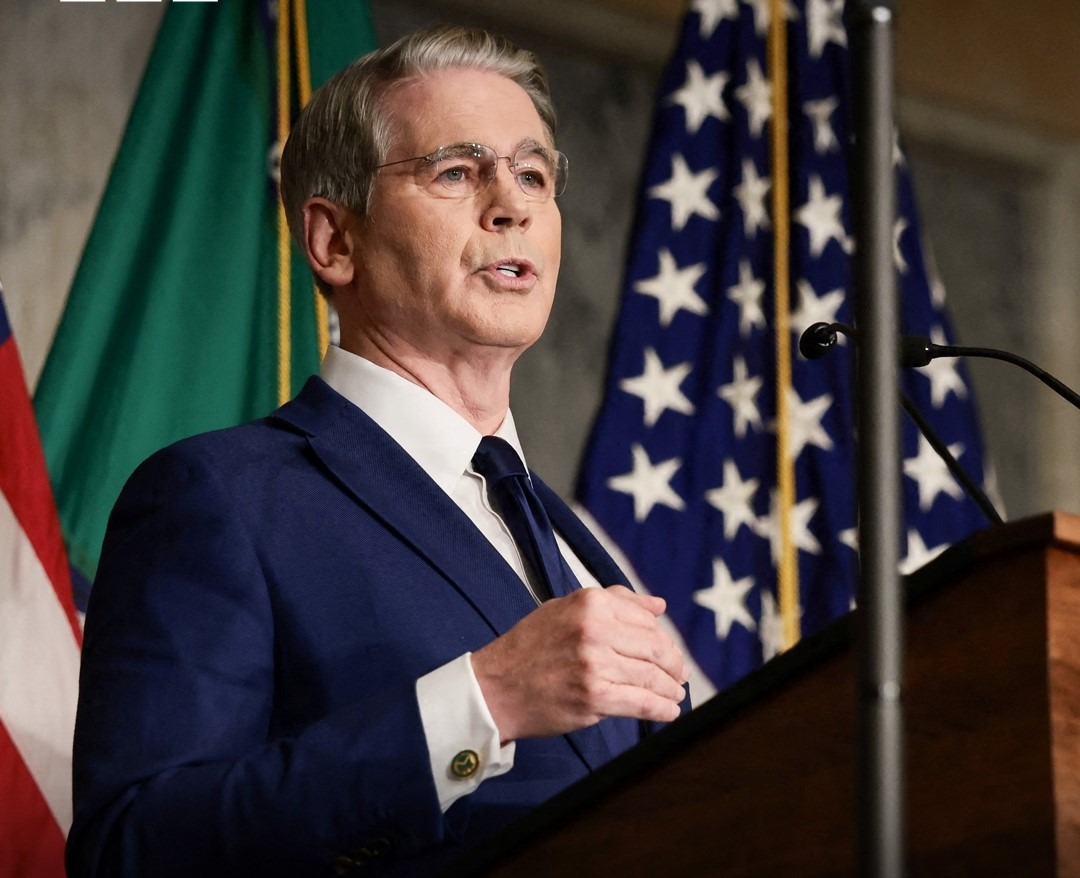
US Treasury Secretary Scott Bessent described the campaign as the “single greatest financial offensive ever” against Iran, warning that countries, banks and businesses continuing to financially support Tehran could face isolation themselves, according to BBC.
The US Treasury said it had targeted networks, facilitators and financial channels allegedly used by Iran to evade sanctions and trade oil. The measures cover five sectors, digital assets, technology, gold, aviation and shipping, and include sanctions against nearly 60 entities, individuals and vessels.
China rejects US sanctions
Bessent said the campaign was intended to block Iran’s potential sources of revenue and force Tehran to choose between global isolation and a return to the international economy. China, Iran’s largest oil buyer, rejected the new measures, describing them as “illegal unilateral sanctions.” Chinese Foreign Ministry spokesman Lin Jiang said economic pressure would not resolve disputes and that Beijing would protect its own interests.
The response is significant because China has continued trading with Iran despite previous US sanctions. The United Arab Emirates, another Iranian trading partner, said last week that it was halting financial transactions with Iran.
Hormuz tensions add to oil risks
The latest sanctions come amid continuing disruption to energy markets. Iran has warned that it could halt oil exports from the region if the conflict continues and has issued a new warning to ships not to transit the Strait of Hormuz without permission, according to Reuters.
The strategic waterway normally carries about one-fifth of global oil and gas supplies, but the flow has been effectively blocked since the conflict began at the end of February, contributing to higher global oil prices.
Economists question sanctions’ impact
Some economists questioned how effective the latest measures will be, particularly given Iran’s trading relationship with China. David Oxley, chief climate and commodities economist at Capital Economics, said the direct impact on Iranian energy revenues could be limited because existing disruption has already sharply constrained the country’s oil exports.
He noted that roughly 90% of Iran’s oil exports go to China, which has not previously recognized US sanctions and is unlikely to change course easily. The International Crisis Group’s Ali Vaez also said China generally opposes unilateral sanctions.