- The outbreak involves the Andes strain, the only hantavirus known to spread between humans
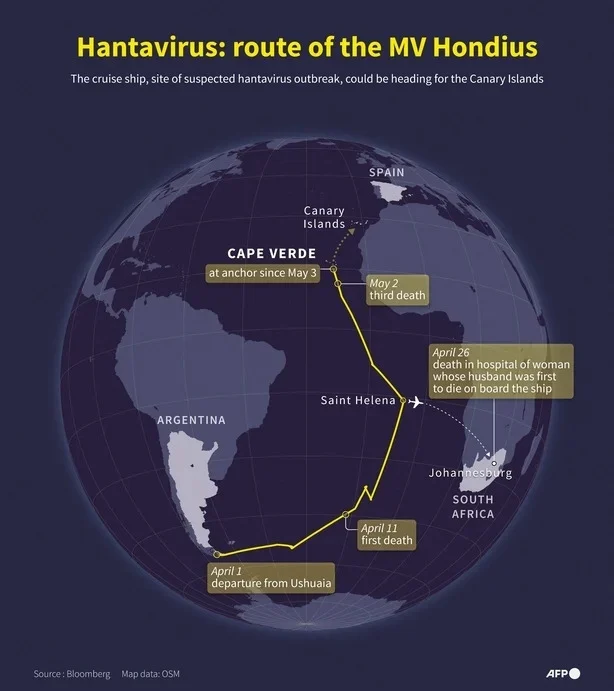
- An elderly Dutch couple linked to the first cases reportedly visited a landfill site in Ushuaia before boarding the ship
- Investigators suspect exposure to infected rodent droppings may have triggered the first infection
- Argentine authorities say Ushuaia may not be the true origin because the virus can incubate for several weeks
- The infected couple had travelled through Argentina, Chile and Uruguay before joining the cruise
- The WHO believes the first infection happened before departure from Argentina, followed by human-to-human spread aboard the ship.
The global hantavirus outbreak linked to the cruise ship MV Hondius has entered a critical stage as new infections have been confirmed in the United States, France and Spain while passengers have returned home under quarantine and medical observation.
Health authorities across several countries are now focusing on the latest status of the virus, its possible origin in South America and whether further international spread can be contained.
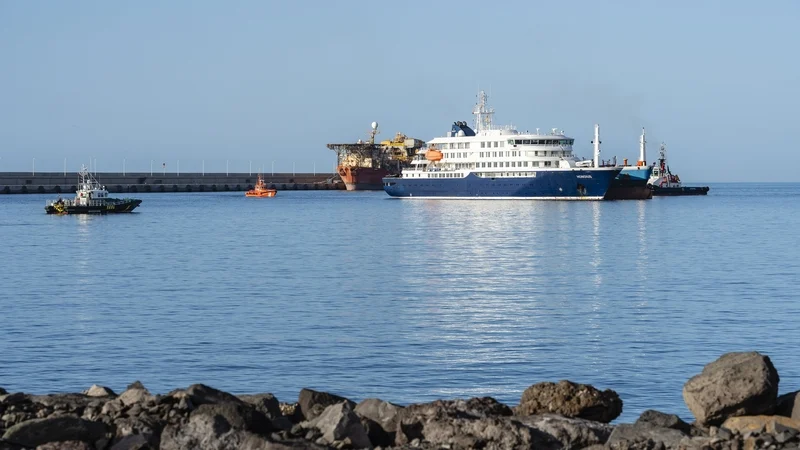
The Dutch-flagged MV Hondius, carrying more than 140 passengers and crew members, was anchored near Tenerife in Spain’s Canary Islands after several travelers developed serious symptoms linked to hantavirus.
According to the World Health Organization (WHO) and national health agencies, seven confirmed cases and one probable case have now been identified, affecting citizens from at least six countries. Three people have died while another patient remains in intensive care.
Despite growing concern, health officials stressed that the overall public risk remains low. Authorities have repeatedly dismissed comparisons with the Covid-19 pandemic, noting that hantavirus spreads differently and is far less contagious.
There are currently no vaccines or specific antiviral treatments for the virus, making early detection and isolation the primary response measures.
The latest developments saw a French woman among five evacuees placed in isolation in Paris test positive after developing symptoms during her return flight from Tenerife. Spanish authorities also confirmed that one Spanish passenger tested positive, although 13 other Spanish evacuees tested negative, the news agencies reports.
In the United States, at least one evacuated passenger has also tested positive while remaining without symptoms. Other suspected cases and close contacts are still being monitored by health authorities worldwide.
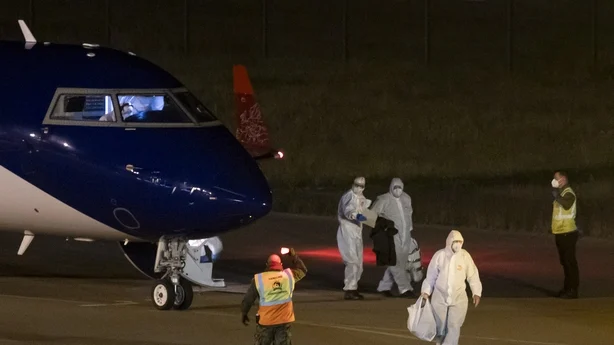
A major international evacuation operation has now largely been completed. Spanish Health Minister Monica Garcia Gomez announced that 125 passengers and crew members from 23 countries had either returned home or were in the process of repatriation. Passengers were escorted from the vessel under strict medical supervision before boarding specially arranged flights for quarantine and monitoring in their home countries.
Among the latest evacuations, 28 passengers, crew and medical staff were transported to the Netherlands aboard two special flights from Tenerife. One aircraft carried mostly crew members, including 17 Filipinos, a Dutch national and a German citizen, while another transported passengers from Australia, New Zealand and Britain.
The MV Hondius itself later departed the Canary Islands for Rotterdam carrying 25 crew members, two medical staff and the body of a German passenger who died during the voyage.
The outbreak is believed to have originated before the cruise began. The ship departed Argentina on April 1 for a transatlantic journey to Cape Verde, and investigators suspect the first infection occurred in South America before human-to-human transmission spread the virus on board the vessel.
The strain involved is believed to be the Andes strain of hantavirus, which is endemic in parts of Argentina and Chile and is the only known hantavirus capable of spreading between humans.
Health investigators have focused attention on Ushuaia in southern Argentina after reports suggested an elderly Dutch couple, believed to be among the first infected passengers, had visited a landfill site there while searching for rare birds.
Officials suspect exposure to infected rodent droppings may have triggered the initial infection because hantavirus is commonly spread through airborne particles from rodents’ urine, saliva or feces.
However, Argentine authorities have questioned whether Ushuaia was truly the source of the outbreak, citing the virus’s long incubation period and the couple’s extensive travel history through Argentina, Chile and Uruguay before boarding the ship. Chilean and Uruguayan officials have also investigated the travelers’ movements but said timelines do not strongly support exposure in their territories.
The latest status of the outbreak shows health authorities still racing to trace passengers, identify close contacts and prevent further transmission across multiple countries.
While the WHO maintains that the public risk remains limited, the coming weeks are expected to be crucial as quarantines continue and investigators work to determine the exact origin of the deadly virus and whether additional infections will emerge worldwide.