- Iran’s foreign minister has arrived in Oman for high-level discussions on safeguarding navigation through the Strait of Hormuz, as Washington presses Tehran to publicly guarantee the security of one of the world’s most vital energy corridors.
- Senior US officials have said the Trump administration expects Iran to publicly declare that the waterway remains open to international shipping and that commercial vessels will not be targeted.
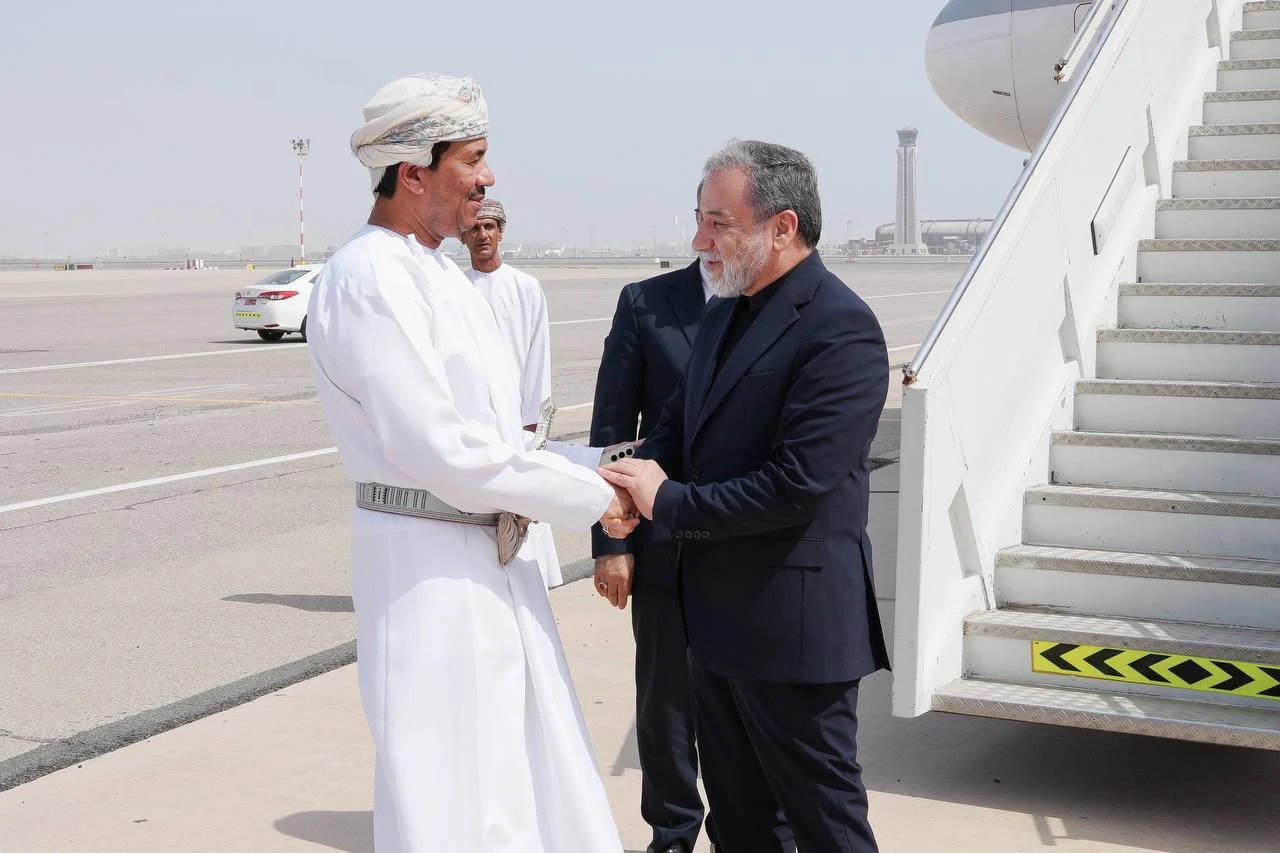
Iran’s Foreign Minister Abbas Araghchi arrived in Muscat today (Saturday) for talks with Omani officials aimed at easing tensions in the Strait of Hormuz, a strategic waterway that carries a significant share of the world’s oil and gas exports.
According to Iran’s Foreign Ministry, the visit forms part of ongoing consultations between Tehran and Muscat on regional developments, with particular focus on ensuring the safety of commercial shipping through the narrow Gulf passage.
Foreign Ministry spokesperson Esmaeil Baghaei said the two sides will explore practical mechanisms to guarantee the safe passage of vessels and prevent further disruptions to maritime traffic in the Strait.
The diplomatic engagement comes at a sensitive moment as regional efforts continue to prevent a fresh escalation following recent military exchanges between the United States and Iran.
Washington has made security in the Strait of Hormuz a key issue in its dealings with Tehran.
Senior US officials have said the Trump administration expects Iran to publicly declare that the waterway remains open to international shipping and that commercial vessels will not be targeted.
US President Donald Trump has indicated that, although the previous US-Iran memorandum of understanding has effectively collapsed, diplomatic contacts with Tehran will continue.
However, American officials have warned that failure by Iran to provide assurances on maritime security could prompt further US action, without specifying what measures might follow.
Oman has long played the role of a trusted regional mediator, maintaining close relations with both Tehran and Washington.
Analysts view the latest talks in Muscat as part of broader efforts to preserve stability in the Gulf and reduce the risk of disruption to one of the world’s most strategically important maritime trade routes.
The Strait of Hormuz remains a critical chokepoint for global energy supplies, making its security a priority not only for Gulf states but also for major energy-importing nations worldwide.