Nuts are a nutrient-rich food that can benefit your health
. . . but how many nuts should you eat daily and what are the benefits, risks and the ideal portion
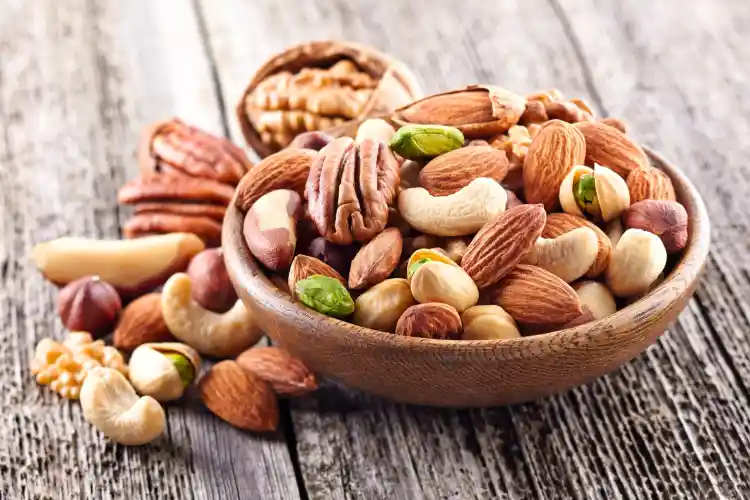
- Regularly eating a moderate portion of nuts may provide several benefits. Nuts contain fiber, minerals, healthy fats and antioxidants that may support cardiovascular health.
- Despite their nutritional value, nuts are not a food where more is necessarily better. Eating large quantities may cause digestive discomfort, including bloating, gas and diarrhea, partly because of their relatively high fiber content. Some varieties also require particular caution.
Nuts are packed with important nutrients, including protein, dietary fiber, vitamins, minerals and antioxidants. Eating them regularly as part of a balanced diet may offer several health benefits.
But while nuts are nutritious, eating large quantities can also cause problems. Experts therefore recommend moderation, with current guidance generally pointing to about 30 grams, or 1 ounce, of nuts per day.
For people without a kitchen scale, that amount is roughly equivalent to one handful. According to a report by Verywell Health, research has linked daily consumption of around 30 grams of nuts with lower rates of heart disease and deaths related to cancer.
Potential health benefits of nuts
Regularly eating a moderate portion of nuts may provide several benefits. Nuts contain fiber, minerals, healthy fats and antioxidants that may support cardiovascular health.
Research has associated regular nut consumption with a lower risk of heart disease and may also indicate potential benefits in reducing the risk of stroke and atrial fibrillation. However, further research is needed to confirm some of these associations.
Nuts contain antioxidants and minerals that may help reduce oxidative stress in the body. Oxidative stress is associated with several health problems, including high blood pressure, heart disease and type 2 diabetes. The fiber and other nutrients found in nuts may also contribute to an overall anti-inflammatory dietary pattern.
The protein and fiber in nuts can help increase feelings of fullness, potentially reducing the amount of food consumed overall. Some studies suggest that replacing highly processed foods with nuts may support healthy weight management, particularly when nuts are consumed as part of a balanced diet.
Some research suggests that including nuts in a healthy diet may be associated with a lower risk of certain cancers, including some cancers linked to obesity. The potential benefits have been studied in relation to colorectal, liver, thyroid and pancreatic cancers.
However, eating nuts alone cannot prevent cancer. Overall diet, physical activity, body weight and other lifestyle factors also play important roles in reducing disease risk.
Despite their nutritional value, nuts are not a food where more is necessarily better. Eating large quantities may cause digestive discomfort, including bloating, gas and diarrhea, partly because of their relatively high fiber content. Some varieties also require particular caution.
Watch your intake of Brazil nuts
Brazil nuts contain exceptionally high levels of selenium. Eating excessive amounts regularly can result in excessive selenium intake and potentially lead to selenium toxicity. For this reason, Brazil nuts should be consumed in moderation.
Some commercially prepared nuts contain significant amounts of added sodium. A high-sodium diet is associated with an increased risk of high blood pressure and can contribute to other health problems, including kidney disease and stroke. Choosing raw or dry-roasted, unsalted nuts can help reduce unnecessary sodium intake.
The bottom line
Nuts can be a nutritious addition to a balanced diet, providing protein, fiber, vitamins, minerals and antioxidants in a convenient food. For most people, about 30 grams, or one handful, a day is a reasonable portion. Choosing minimally processed and unsalted varieties can help maximize their nutritional value while limiting excess sodium.
As with any food, moderation is important. Nuts can contribute to a healthy diet, but eating excessive amounts may lead to digestive problems, excess selenium intake from certain varieties and unnecessary sodium or calorie consumption from heavily processed products.