Kuwait’s cash economy shrinks as ATM withdrawals fall by 414.5 million dinars
. . . Cash dependence set to fall further in 2027 as Kuwait tightens payment controls
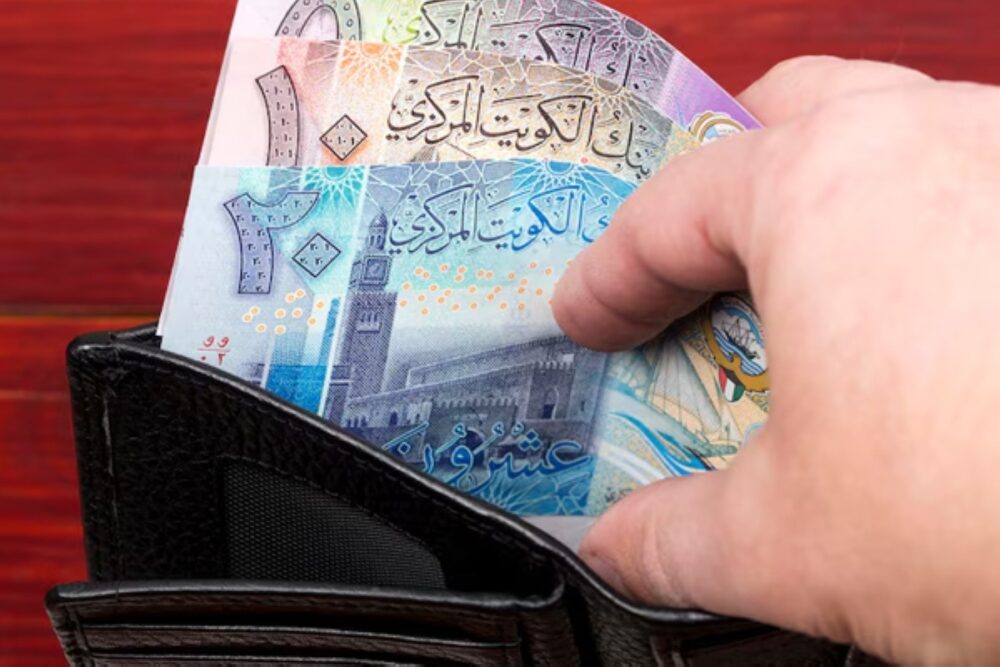
- Number of ATM transactions fell to 45.214 million during the January-September period, compared with 49.123 million transactions in the same period of 2025
- The downward trend is not limited to ATM withdrawals but extends to cash withdrawals through bank branches, suggesting a broader change in the public’s reliance on physical currency
Kuwait is witnessing a significant shift away from cash transactions as digital payment methods gain momentum, coupled with regulatory restrictions on cash payments across several commercial activities continues to reshape consumer payment behavior.
Official data for the first nine months of 2026 showed that cash withdrawals, particularly through automated teller machines (ATMs), declined by approximately 9 percent compared with the corresponding period last year, reflecting a notable reduction in demand for physical currency.
The number of ATM transactions fell to 45.214 million during the January-September period, compared with 49.123 million transactions in the same period of 2025, representing a decrease of approximately 3.908 million transactions. The total value of withdrawals also dropped to 6.22 billion dinars from 6.635 billion dinars, a decline of 414.5 million dinars, or 6.66 percent.
Banking sources said the financial institutions had recently observed a marked reduction in the frequency of cash replenishment at ATMs. The decline was also evident compared with the beginning of the regional war between the United States and Iran on February 28, as well as the corresponding period last year, indicating a tangible fall in individuals’ demand for cash.
The downward trend is not limited to ATM withdrawals but extends to cash withdrawals through bank branches, suggesting a broader change in the public’s reliance on physical currency.
While the growing popularity of electronic and contactless payment methods is an important factor behind the decline, banking officials believe that regulatory measures restricting cash transactions across several economic activities are also accelerating the shift towards digital payments.
Banking officials expect dependence on cash payments to decline further in 2027, with the rate of reliance on cash projected to fall to around 20 percent, effectively doubling the anticipated reduction in cash usage. The outlook points to a continuing transformation in consumer payment habits as electronic transactions become increasingly embedded in everyday commercial activities.
The expansion of card payments, contactless transactions and digital collection systems reflects the growing maturity of Kuwait’s digital payment infrastructure. At the same time, regulatory decisions introduced by the Ministry of Commerce and Industry in coordination with the Central Bank of Kuwait and other concerned authorities are reinforcing the transition by limiting or prohibiting cash payments in approximately 14 business activities.
These measures are aimed at strengthening financial transparency and combating money laundering, with restrictions varying between a complete prohibition on cash transactions and the imposition of maximum permissible cash-payment limits.
Among the activities subject to cash-payment restrictions are businesses dealing in gold, jewellery, precious metals and gemstones, as well as real estate transactions. Real estate brokers are prohibited from receiving or handing over cash connected with property transactions, including deposits and advance payments.
The restrictions also cover companies and showrooms involved in the sale and purchase of cars and other vehicles, certain commercial exhibitions, including perfume and wedding-related exhibitions, as well as hospitals and government healthcare facilities.
In five other categories of activities, cash payments exceeding 10 dinars are prohibited, requiring customers to use electronic payment methods for amounts above this limit. These include pharmacies, health institutes, fitness centres, sports clubs, women’s, men’s and children’s salons, medical companies, businesses involved in importing, exporting and storing public-health pesticides, and hotels.
Additional restrictions prohibit accepting cash exceeding 1,000 dinars in financial transfer transactions. Separate limits also apply to cash payments at establishments subject to regulations governing the collection of fees for healthcare services.
Enforcement measures are another factor supporting the transition. Establishments violating regulations governing approved payment methods face legal and administrative action, which may include closure and referral to the competent investigative authorities, depending on the nature of the violation and applicable procedures.
The combined impact of changing consumer preferences, expanding digital payment infrastructure and tighter regulatory controls is contributing to a sustained decline in cash usage, pointing towards a gradual transformation of Kuwait’s payment landscape.