Kuwait seeks broader economic and investment ties with India at Kochi Dialogue
At the Kochi Dialogue 2026, Kuwait highlighted the need to strengthen economic integration with India and other GCC countries, with greater emphasis on investment, infrastructure, financial cooperation, technology and private-sector partnerships.
The Times Kuwait Report
Kuwait has called for stronger economic integration and expanded investment partnerships with India and other Gulf Cooperation Council (GCC) countries, stressing the importance of turning emerging opportunities into sustainable projects that serve the shared economic interests of both sides.
The issue featured prominently at the Kochi Dialogue 2026, where Kuwait was represented by a delegation headed by Saad Al-Alati, acting undersecretary at Kuwait’s Ministry of Finance and assistant undersecretary for technical services
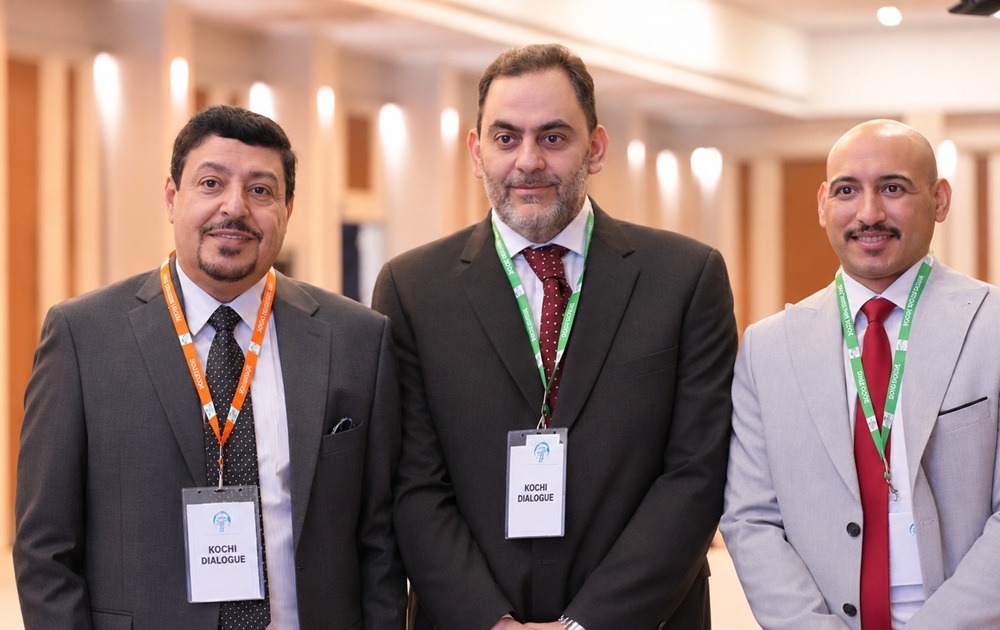
Advancing India-GCC strategic and economic engagement
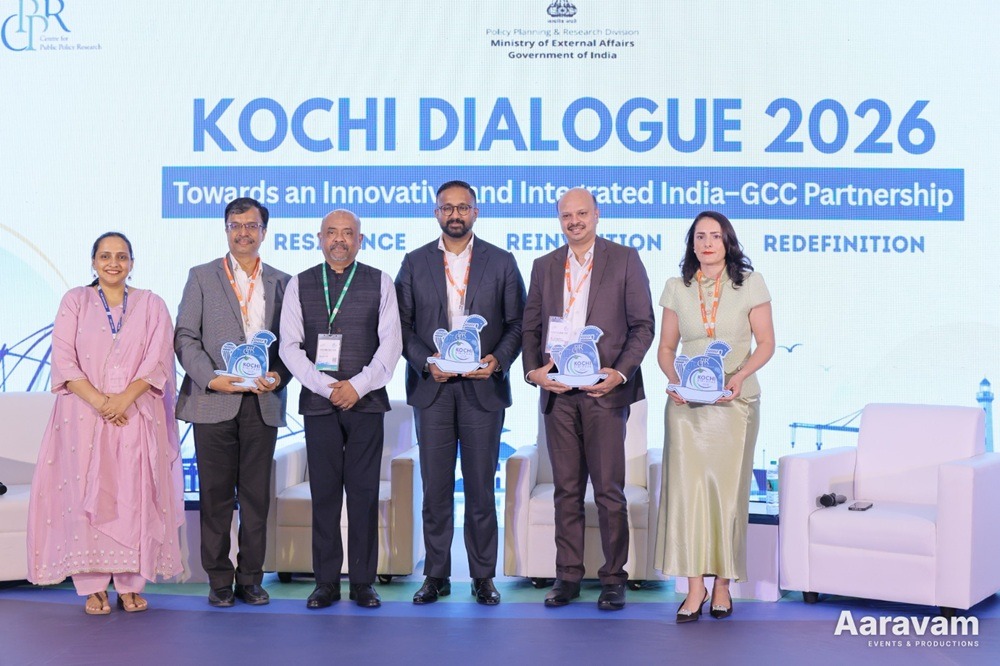
The Kochi Dialogue 2026, held from November 18 to 20 at Vivanta by Taj in Kochi, was the second edition of a Track 1.5 diplomacy initiative organised by the Centre for Public Policy Research (CPPR), Kochi, in collaboration with the Policy Planning and Research Division of India’s Ministry of External Affairs.
Held under the theme ‘Towards an Innovative and Integrated India-GCC Partnership: Resilience, Reinvention, Redefinition’, the three-day dialogue brought together representatives from India and the six GCC member states – Kuwait, Saudi Arabia, the UAE, Qatar, Bahrain and Oman – to discuss ways of strengthening economic, diplomatic and strategic cooperation.
The inaugural edition, held in January 2025 under the theme ‘India’s Look West Policy in Action: People, Prosperity and Progress’, explored opportunities for closer engagement in trade, investment, maritime cooperation, education, healthcare, technology, energy and diaspora relations.
The 2026 edition expanded the discussions to include investment and infrastructure, energy security, maritime connectivity, regional security, diaspora partnerships, artificial intelligence, education and innovation.
Other discussions addressed energy partnerships, resilient maritime and logistics corridors, regional connectivity and cooperation in emerging technologies. These issues reflect the growing importance of India-GCC relations at a time when both sides are seeking to diversify economic partnerships and strengthen regional cooperation.
Indian Business and Professional Council also attended the event with a delegation led by Vice-Chairman Suresh K P. The delegation engaged with various stakeholders in furthering Indo-Kuwair business and cultural ties.
Speaking on the sidelines of the dialogue, Saad Al-Alati in an exclusive interview with The Times Kuwait highlighted the scope for expanding cooperation beyond conventional trade to include investment, infrastructure, financial services, technology and institutional partnerships.
The discussions came at a time when Kuwait and India are seeking to build on their longstanding relationship and explore new areas of cooperation that support their respective economic development priorities.
For Kuwait, the opportunities are closely linked to Kuwait Vision 2035, particularly its objectives of diversifying the economy, strengthening the private sector, attracting investment and developing modern infrastructure.
Kuwait’s economic priorities and the India-GCC partnership
The Times Kuwait: What is the significance of the Kochi Dialogue for Kuwait and its relations with India and the GCC countries?
Saad Al-Alati: The Kochi Dialogue provides an important platform for strengthening engagement between India and the GCC countries and identifying areas where our economic interests and development priorities converge.
India is an important economic partner for the Gulf region, and there is considerable potential to expand cooperation across several sectors. For Kuwait, the dialogue offers an opportunity to exchange views with Indian and GCC representatives, explore investment possibilities and develop stronger institutional and business connections.
The objective should be to build on the longstanding relations between our countries and translate them into practical cooperation that delivers sustainable benefits.
TTK: What are the main areas in which Kuwait sees potential for stronger economic cooperation with India and other GCC countries?
Saad Al-Alati: Investment and infrastructure are among the important areas offering opportunities for closer cooperation. There is also scope to expand partnerships in logistics, technology, advanced industries, healthcare and other sectors that support economic diversification.
Financial cooperation is another important area. Stronger financial links and effective trade-financing arrangements can help facilitate investment, support businesses and encourage greater participation by the private sector.
We should also look at opportunities in emerging sectors and identify projects that can create long-term economic value. The focus must be on developing partnerships that are practical, commercially viable and aligned with the development priorities of the countries involved.
TTK: How can stronger investment flows contribute to the development of the India-GCC economic relationship?
Saad Al-Alati: Investment can play a central role in taking the India-GCC relationship to a more advanced stage. While trade remains important, stronger investment links can create deeper and more lasting economic connections.
There is potential to encourage greater capital flows into infrastructure and business-sector projects, while strengthening cooperation between investment institutions and companies.
For this to happen, it is important to improve connections between the public and private sectors, facilitate information exchange and identify opportunities where investors from both regions can participate.
The aim should be to move from identifying opportunities to developing concrete projects and partnerships that contribute to economic growth on both sides.
TTK: What role can financial cooperation and institutional partnerships play in supporting these objectives?
Saad Al-Alati: Financial cooperation and institutional partnerships are essential to creating a stronger foundation for economic integration.
Closer coordination between financial institutions, government bodies and the private sector can help identify investment opportunities, improve access to financing and support cross-border business activity.
There is also value in sharing expertise and experience in areas such as public financial management, investment planning, digital transformation and institutional development.
Such cooperation should be based on mutual benefit and a clear understanding of the priorities and requirements of each country. Strong institutional links can help ensure that discussions and agreements lead to meaningful and sustainable outcomes.
TTK: How does this agenda relate to Kuwait Vision 2035?
Saad Al-Alati: Kuwait Vision 2035 places strong emphasis on economic diversification, sustainable development, infrastructure modernisation and greater private-sector participation.
Building stronger partnerships with India and other GCC countries can support these objectives by opening new channels for investment, technology cooperation and knowledge exchange.
The priority is to identify initiatives that complement Kuwait’s development plans and create opportunities for businesses and institutions in both countries.
Cooperation should therefore be viewed not only in terms of immediate commercial benefits but also in the context of long-term economic development.