Let’s take a closer look at the reasons and what can you do about it:
Prolactin is a hormone produced by the pituitary gland, primarily responsible for stimulating breast milk production.
It also influences reproductive hormones, metabolism, appetite and body composition.
When prolactin levels become abnormally elevated, a condition known as hyperprolactinemia develops.
Several factors can contribute to high prolactin, including chronic stress, inadequate sleep, pregnancy, breastfeeding, certain medications, particularly some antidepressants and medical conditions such as hypothyroidism.

Can high prolactin cause weight gain?
Yes. Research suggests that persistently elevated prolactin may contribute to weight gain, increased appetite and changes in body composition, including increased body fat and reduced lean muscle mass.
Prolactin excess can also interfere with estrogen and testosterone production. These hormonal changes may affect fat distribution and metabolism. Some studies have also linked hyperprolactinemia with insulin resistance, impaired glucose regulation and cholesterol levels.
The nutritional approach:
What should you eat?
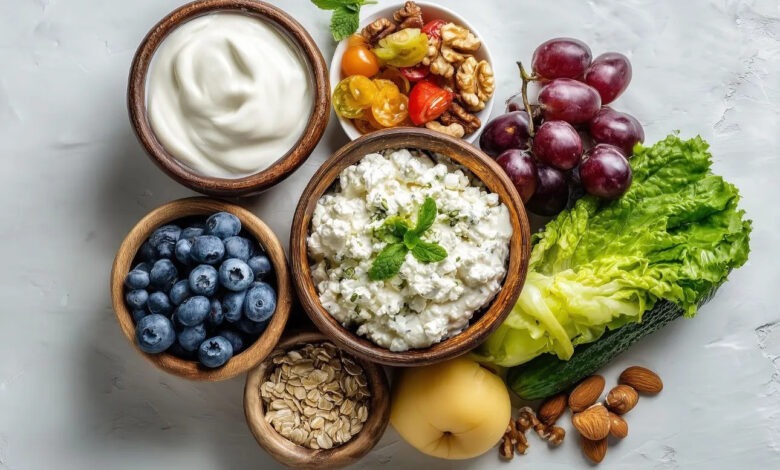
Although no specific food or diet has been proven to lower prolactin directly, a nutrient-rich diet can support metabolic health and help manage weight.
Here are some nutritional priorities:
Vitamin B6: Found in chickpeas, bananas, potatoes, poultry and fish. Vitamin B6 contributes to dopamine production. Dopamine naturally inhibits prolactin secretion.
Zinc: Include pumpkin seeds, seafood, meat, lentils and nuts to support normal hormonal function.
Omega-3 fatty acids: Include salmon, sardines, walnuts, chia seeds and flaxseeds for their benefits to cardiovascular and metabolic health.
Protein and fiber: Prioritize eggs, fish, chicken, legumes, vegetables, fruits and whole grains. They support satiety, muscle maintenance and blood sugar regulation.Limit excessive added sugars, highly processed foods and frequent consumption of calorie-dense foods. Regular physical activity, adequate sleep and stress management are equally important.
Nutrition plays an important supportive role, but it cannot replace medical evaluation or treatment. Identifying and addressing the underlying cause is the first step toward restoring hormonal and metabolic balance.
To subscribe to my diet programs,
don’t forget to log in to:
www.eatlikemira.com.