Electric Vehicle sale jumps 35% reaching record levels in 50 countries
. . . as fuel price crisis drives global shift to EVs
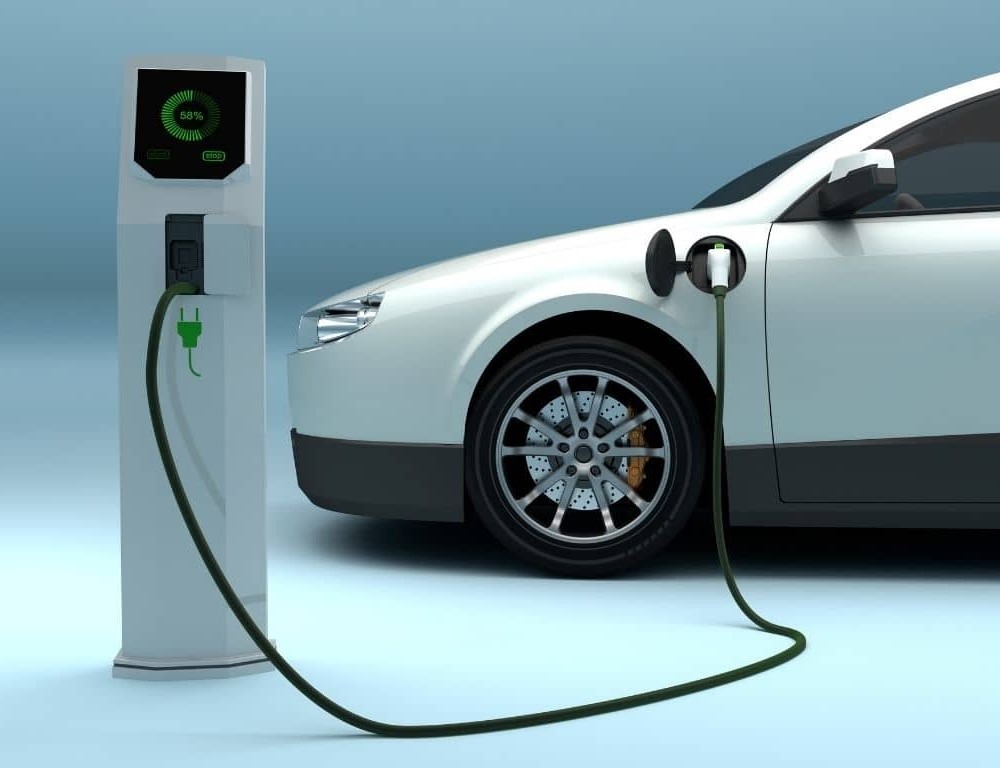
Global electric vehicle (EV) sales recorded a major increase in the second quarter of the year as rising fuel prices and energy concerns linked to the Middle East conflict pushed more consumers and governments to look toward electric mobility.
According to a new report by the International Energy Agency (IEA), electric vehicle sales increased by 35 percent in the second quarter compared with the first three months of the year, reaching record levels across 50 countries.
The agency said the growth came despite continued challenges facing the global automotive industry, with fuel price instability once again influencing consumer decisions following the energy crisis triggered by the regional conflict.
“Despite difficult conditions affecting the global automotive market, electric vehicle sales saw significant growth during the second quarter,” the report said, highlighting renewed attention on alternatives to traditional fuel-powered vehicles.
Rising Oil Prices Boost EV Demand
The increase in EV demand came after crude oil prices climbed sharply during the year, rising from around $60 per barrel at the start of the year to nearly $120 per barrel following disruptions linked to tensions in the region, including concerns over the Strait of Hormuz.
The rise in fuel costs and supply uncertainty has placed energy security at the centre of global discussions, particularly as road transport accounts for nearly half of worldwide oil consumption.
The IEA said electric vehicles are increasingly being viewed as part of a broader strategy to reduce dependence on imported oil while protecting consumers and businesses from sudden fuel price changes.
“Electric vehicles offer oil-importing countries an opportunity to strengthen energy security and provide greater protection against price fluctuations,” the agency noted.
Governments Increase Support for Electric Vehicles
Several countries, particularly in Southeast Asia, have introduced temporary tax incentives and other measures to encourage consumers to switch to electric vehicles.
The IEA said these countries have been among those most affected by fuel price volatility because of their reliance on imported oil.
Such policies are aimed at reducing energy dependence while supporting the transition toward cleaner transportation.
EV Market Expected to Continue Growing
The agency expects global electric vehicle sales to increase by around 10 percent this year, with EVs projected to represent 29 percent of total global car sales.
This growth comes at a time when the overall global automotive market is expected to decline in 2026.
The first quarter of the year saw a slowdown in EV sales, mainly due to weaker demand in major markets including China and the United States.
In the US, the removal of government incentives affected consumer demand, while slower economic growth in China, the world’s largest electric vehicle market, also reduced sales momentum.
Europe Leads EV Growth
Europe recorded the strongest growth in electric vehicle sales during the first half of the year, with sales rising by more than 30 percent, according to the IEA report.
The agency said the continued expansion of EV infrastructure, government policies and increasing consumer interest are helping accelerate the shift away from conventional vehicles.
As fuel prices remain unpredictable and governments focus on energy independence, the global electric vehicle market is expected to remain a key area of growth in the coming years.