Europe approves PRIMA eye implant to help restore sight in blind patients
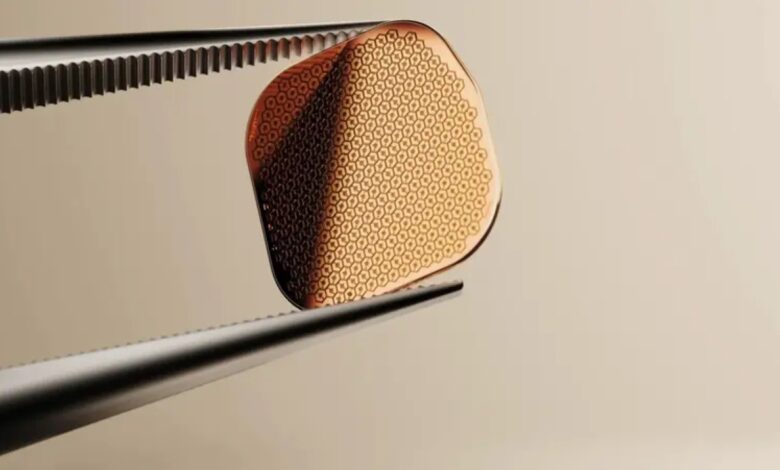
Science Corporation, a US-based company developing brain-computer interface (BCI) technologies, has received European regulatory approval for its PRIMA vision restoration system, an implant designed to help patients who have lost their sight due to advanced age-related macular degeneration.
The company also announced that the device has received the Breakthrough Device designation from the US Food and Drug Administration (FDA), allowing it to undergo an expedited review process for the treatment of two rare forms of blindness.
Age-related macular degeneration affects millions of people worldwide by damaging the retina’s light-sensitive cells, making everyday tasks such as reading and recognizing faces increasingly difficult.
Implant Works With Smart Glasses
The PRIMA system combines a tiny retinal implant with a pair of camera-equipped smart glasses.
During a surgical procedure lasting about an hour, doctors implant a miniature electronic chip beneath the retina.
After surgery, patients wear specialized glasses fitted with a camera that captures images of the surrounding environment and wirelessly transmits them to the implanted chip. The device then stimulates the remaining retinal cells, enabling users to regain functional vision.
Science Corporation Founder and Chief Executive Officer Max Hodak said early clinical results have been encouraging.
According to the company, one patient in France was able to read an entire 300-page novel after receiving the implant, while others successfully completed crossword and Sudoku puzzles. Another patient reportedly drew a recognizable image of the Sydney Opera House.
From Neuralink to Science Corporation
Hodak, a co-founder and former president of Neuralink, established Science Corporation in 2021 after leaving the Elon Musk-backed company. His goal was to develop a new generation of brain-computer interface technologies by combining electronic implants with living tissue.
He said the company chose vision restoration as its first commercial product because it addresses a significant unmet medical need while providing a sustainable business model to support future research into advanced neural interface technologies.
Acquisition Accelerated Development
Science Corporation entered the retinal implant field after acquiring French medical technology company Pixium Vision in 2024. Following the acquisition, the company refined the technology, completed regulatory documentation and secured the approvals needed to begin commercialization.
The company expects each PRIMA system to cost hundreds of thousands of dollars and said discussions are underway with European insurers and healthcare providers regarding reimbursement.
Commercial rollout is expected to begin in Germany, where clinical trials were conducted, with the first commercial implantation anticipated as early as September.
Next Generation Under Development
Science Corporation is already developing an upgraded version of the retinal implant capable of delivering higher-quality vision while redesigning the accompanying smart glasses, which currently rely on an external battery pack.
The company also plans to create lighter augmented reality-style glasses while maintaining the computing power required to operate the PRIMA system.
Beyond vision restoration, Science Corporation is collaborating with Dr. Murat Günel, Chair of Neurosurgery at Yale School of Medicine, to develop a hybrid brain implant for future clinical trials.
Hodak said the commercial success of PRIMA will be critical to financing the company’s long-term ambitions in brain-computer interface technology, positioning vision restoration as the foundation for future innovations in neural medicine.