Egyptian Ambassador affirms deep-rooted strategic ties and full solidarity with Kuwait
The Times Kuwait Report
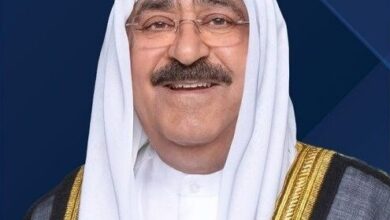
- Egypt’s Ambassador Mohamed Gaber Abu El Wafa praises the leadership of His Highness the Amir Sheikh Mishal Al-Ahmad Al-Jaber Al-Sabah and Kuwait’s institutions for maintaining stability during a sensitive regional period.
- Commended the Crown Prince and Prime Minister for ensuring effective crisis management and the steady availability of essential goods and services.
- Reaffirmed Egypt’s strong and unwavering support for Kuwait, stressing that Kuwait’s security is an integral part of Egypt’s national security.
- Highlighted that Egyptian-Kuwaiti relations are a strategic, long-standing partnership based on deep historical ties and continuous high-level coordination.
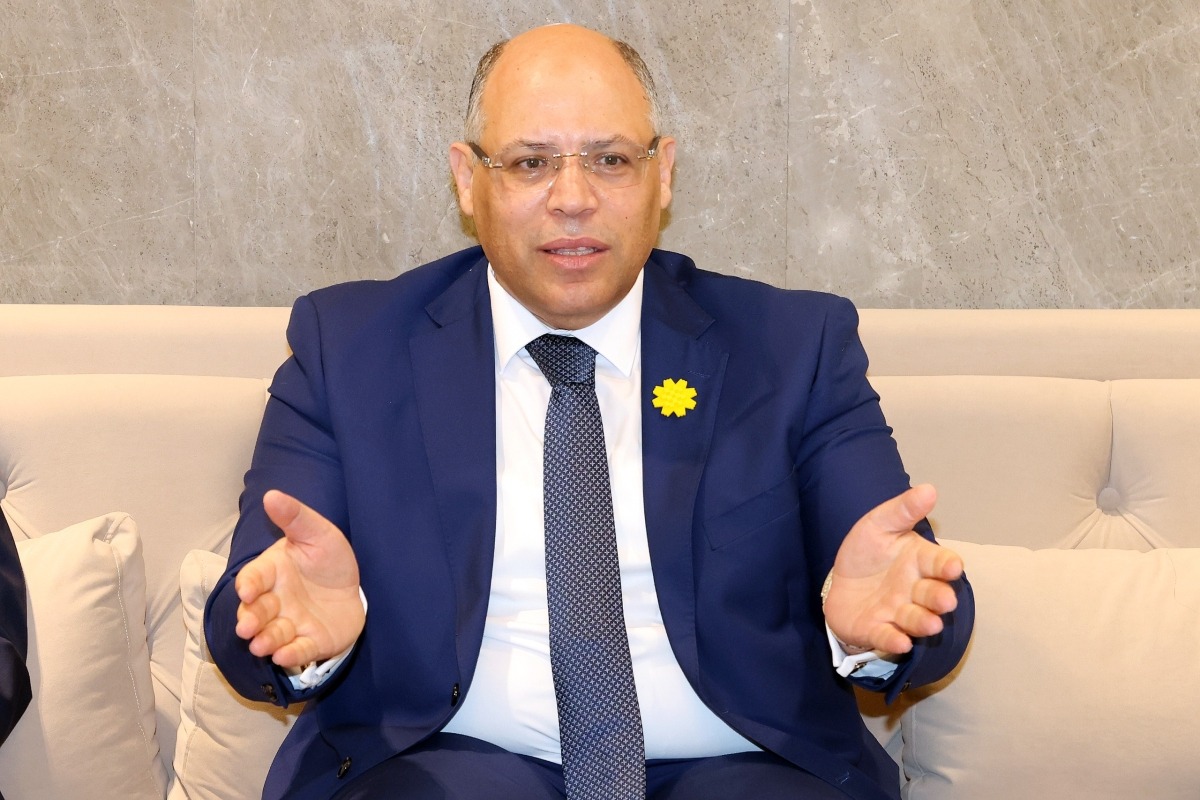
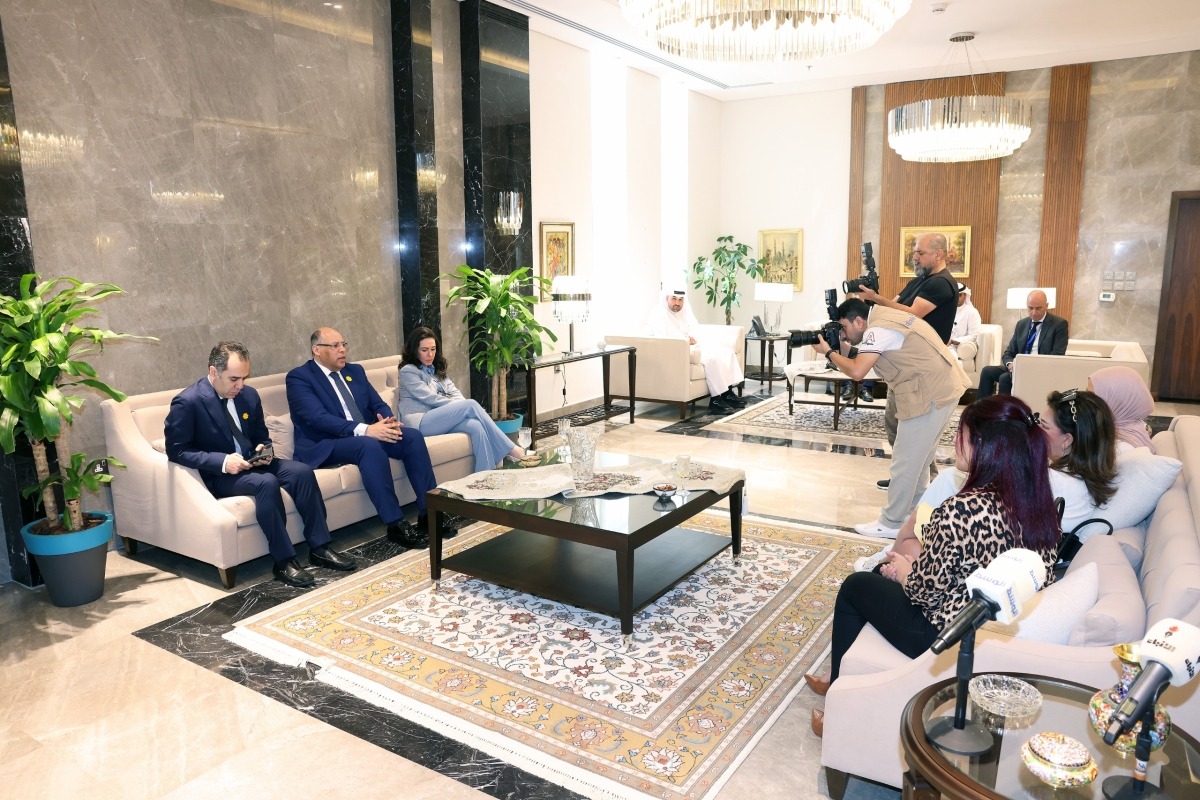
Ambassador of the Arab Republic of Egypt to the State of Kuwait H.E. Mohamed Gaber Abu El Wafa, has expressed his satisfaction at holding his first press meeting with representatives of local newspapers and news agencies in Kuwait, following a series of introductory visits to the Kuwait News Agency and leading local media institutions, as well as meetings with their editors-in-chief since presenting his credentials to His Highness the Amir on December 16, 2025.
The ambassador voiced his pride in returning once again to serve in the sisterly State of Kuwait, after his earlier tenure at the Egyptian Embassy in Kuwait from 2012 to 2016 as Counselor and Deputy Head of Mission.
He remarked that those who experience life in Kuwait and witness its generosity and its people’s noble character remain deeply attached to the country, returning with lasting sentiments of affection and respect.
In his remarks, Ambassador Abu El Wafa extended sincere appreciation and respect to His Highness Sheikh Mishal Al-Ahmad Al-Jaber Al-Sabah, Amir of Kuwait, commending his wise leadership during a sensitive regional period marked by recent developments. He praised the effectiveness of Kuwait’s state institutions in addressing exceptional challenges and maintaining stability under His Highness’s guidance.
He also lauded the efforts of His Highness the Crown Prince Sheikh Sabah Khaled Al-Hamad Al-Sabah and His Highness the Prime Minister Sheikh Ahmad Abdullah Al-Ahmad Al-Sabah, highlighting their close oversight of national affairs and their commitment to ensuring stability, particularly through safeguarding the availability of essential goods and services.
The ambassador further commended the role of Kuwait’s Armed Forces, the National Guard, the Ministry of Interior, the Kuwait Fire Force, medical teams, emergency responders, and workers across various sectors, noting their professionalism and dedication in protecting the country and ensuring the continuity of vital services.
He expressed condolences to Kuwait’s leadership, government, and people over the martyrs, both civilians and military personnel, Kuwaitis and non-Kuwaitis, who lost their lives during the recent crisis, affirming Egypt’s full solidarity with Kuwait in this painful circumstance.
Ambassador Abu El Wafa also praised Kuwait’s efforts to maintain market stability and ensure the uninterrupted availability of essential supplies during the crisis, describing the outcome as a reflection of strong institutional efficiency and effective crisis management.
He noted that he wore the Kuwaiti “Arfaj” flower during the meeting as a gesture of solidarity and respect, describing it as a symbol of resilience, loyalty, and affection, while expressing his deep appreciation for Kuwait and its people.
On bilateral relations, the ambassador stressed that Egyptian-Kuwaiti ties represent a distinguished model of Arab-Arab relations, rooted in deep historical bonds, shared social and human connections, and diplomatic relations that predate Kuwait’s independence in 1961. He said these relations have evolved into a strategic partnership that has consistently demonstrated strength and resilience across decades.
He reaffirmed Egypt’s firm support for Kuwait and strongly condemned any acts that threaten its security or sovereignty, stressing that the security of Kuwait and the Gulf region form an integral part of Egypt’s national security.
The ambassador also referred to ongoing high-level coordination between the leaderships of both countries, including telephone contacts between President Abdel Fattah El-Sisi and His Highness the Amir following recent developments, as well as continuous communication between the foreign ministers and Egypt’s diplomatic support for Kuwait in regional and international forums.
He praised the wisdom and balanced approach of His Highness the Amir in managing regional tensions, highlighting his commitment to restraint and stability in order to prevent escalation and safeguard regional and global security.
Ambassador Abu El Wafa noted the strong momentum witnessed in Egyptian-Kuwaiti relations during April, referring to the visit of Egypt’s Foreign Minister Dr. Badr Abdel Aty to Kuwait on April 8, and the visit of Kuwait’s Foreign Minister Sheikh Jarrah Jaber Al-Ahmad Al-Sabah to Cairo on April 19, reflecting sustained high-level coordination between the two countries.
He said the Egyptian Foreign Minister conveyed a written message from President El-Sisi reaffirming Egypt’s full solidarity with Kuwait and underscoring that Kuwait’s security is an integral part of Egypt’s national security.
The ambassador added that recent meetings between officials reflected the depth of bilateral relations and included discussions on regional developments and joint efforts to de-escalate tensions, emphasizing Egypt’s position that military solutions are not viable and that peaceful dialogue remains the only path forward.
He further highlighted the importance of strengthening Arab coordination mechanisms to address regional challenges and protect Arab national security.
In conclusion, Ambassador Abu El Wafa reaffirmed that Egypt’s support for Kuwait is strategic, enduring, and unwavering, rooted in the belief that Gulf security is inseparable from Arab security.
He stressed that Egypt will continue to stand firmly with Kuwait and the Gulf states in safeguarding their sovereignty, stability, and regional role.