KISR supplies 550 kilos of farmed Sheem fish to Kuwait market
- Local fish farming gains momentum as KISR targets food security
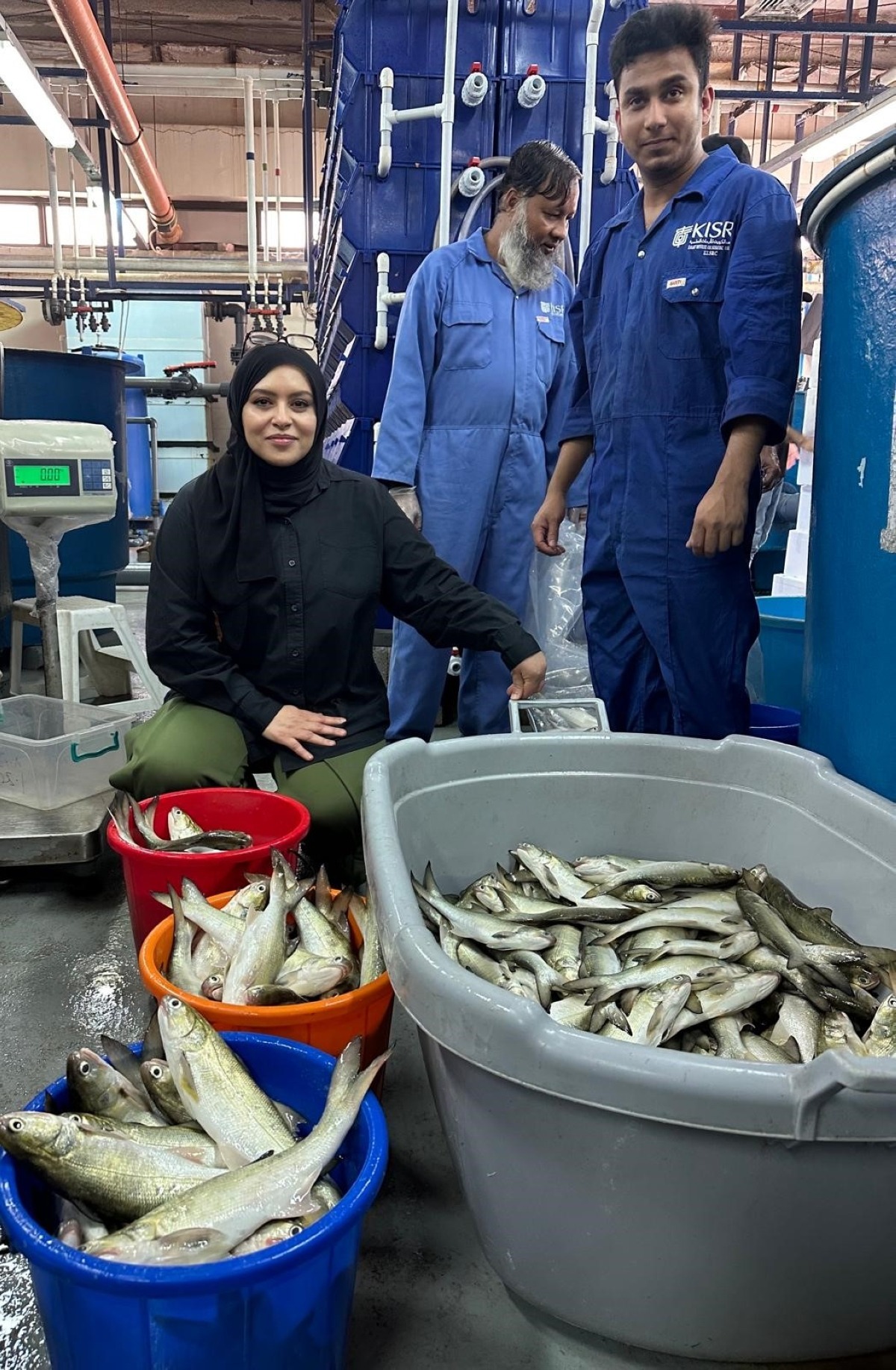
The Kuwait Institute for Scientific Research (KISR) has released 550 kilograms of commercially sized Sheem fish into the local market, marking the fourth batch supplied through Kazma Company as part of efforts to strengthen domestic fish production and food security.
Dr Amani Al-Yaqout, head of the institute’s Sheem fish farming project, said the fish were sold directly to consumers through Kazma Company, without intermediaries from private companies. The batch was supported by funding from the General Secretariat of Planning and Development.
Despite its limited quantity, the fourth batch attracted strong consumer demand, with buyers visiting Kazma Company after the institute announced the availability of the fish on its Instagram account.
Al-Yaqout said KISR was preparing to produce a fifth batch of young Sheem fish for distribution to local farmers. The initiative aims to support fish farming operations by supplying farms with young fish that can be raised through the pre-fattening stage until they reach commercial size.
The institute is also continuing to collect broodstock of different fish species popular among consumers and investors, as part of efforts to diversify local production and reduce dependence on imported seafood. The initiative has gained importance amid disruptions to global supply chains and rising commercial shipping costs linked to regional developments.
Regarding mullet farming, Al-Yaqout said KISR was collecting broodstock in preparation for spawning in controlled tanks, with temperatures maintained between 27 and 28 degrees Celsius.
The current period is considered suitable for breeding because it coincides with the species’ natural reproductive season. As mullet reproduce only once a year, the institute is seeking to make use of this seasonal window to ensure successful spawning under controlled conditions.
Meanwhile, private companies are showing greater interest in Australian seabass because of its suitability for aquaculture and its ability to reproduce throughout the year in ponds using closed farming systems. This allows continuous production and the raising of fish to commercial size.
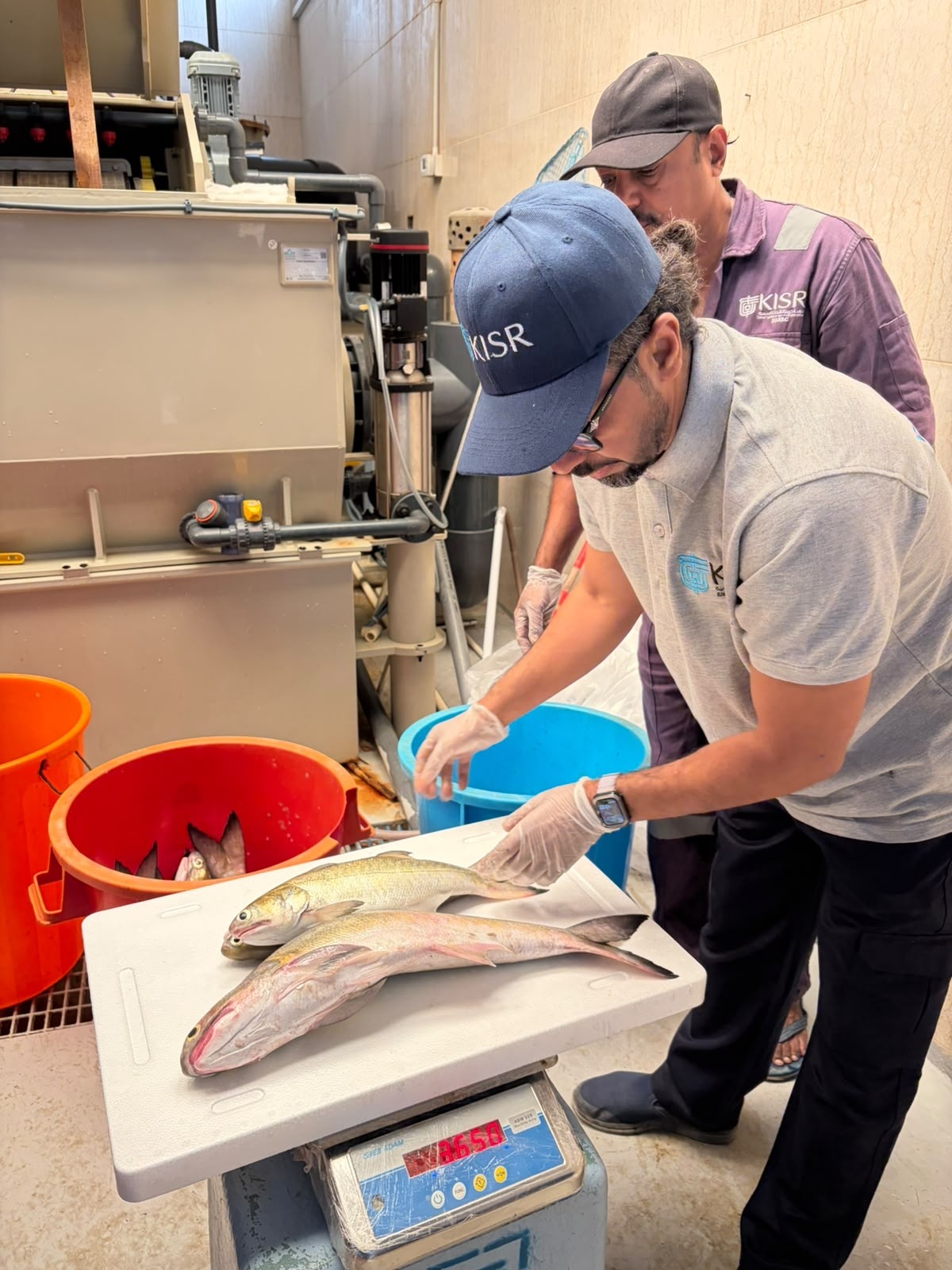
KISR reaffirmed its commitment to expanding farmed fish production, improving aquaculture techniques and supporting local farmers, while encouraging private-sector investment to help meet domestic demand and strengthen Kuwait’s food security.